


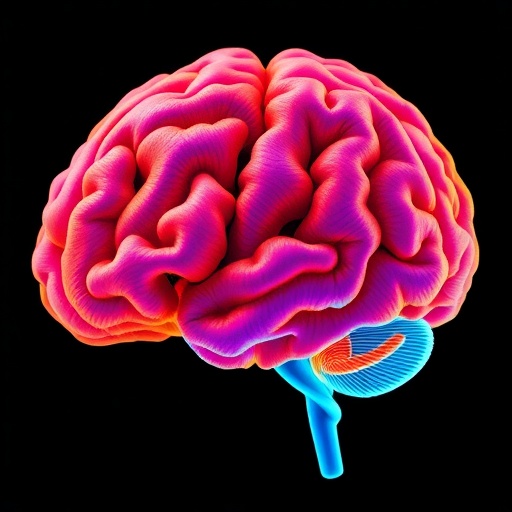
Researchers have developed a new way to sharpen one of neuroscience’s most stubborn prediction problems: forecasting who will experience cognitive decline before the damage becomes clinically obvious. By weaving genetic risk information into brain-imaging models of the hippocampus, a team led by University College London scientists, working with collaborators at Sidra Medicine in Qatar and Amsterdam University Medical Centre, has shown that a genetically informed approach can meaningfully improve predictions of future memory and thinking problems across multiple independent cohorts.
The work, published in Genome Medicine, centers on the hippocampus, a small seahorse-shaped structure deep in the temporal lobe that is essential for forming new memories. Hippocampal atrophy is one of the earliest and most reliable structural signs of Alzheimer’s disease, and its volume, measured on magnetic resonance imaging, has long served as a biomarker for tracking brain health. But hippocampal volume on its own tells an incomplete story. Two people of the same age and sex can have similar hippocampal volumes yet very different cognitive trajectories, and clinicians have struggled to convert a single MRI measurement into a confident prognosis.
The new study tackles that limitation with normative modelling, a statistical framework that asks a deceptively simple question: what should a person’s hippocampal volume look like given their age, sex, and head size? Rather than comparing a patient to a single arbitrary cutoff, normative models estimate an expected range of brain measures for people with the same demographics, allowing deviations from that expectation to be flagged as potentially pathological. These models have become increasingly popular in neuroimaging because they can convert raw measurements into individualized deviation scores that reflect how unusual a person’s brain is relative to a healthy reference population.
What the researchers did here was to enrich that demographic baseline with genetics. They constructed polygenic scores, single-number summaries of the thousands of common genetic variants scattered across the genome that collectively influence a trait. The scores were derived using a clumping and thresholding pipeline, the standard approach that selects independent variants from genome-wide association study summary statistics and weights them by their statistical evidence at different significance thresholds. Crucially, the team did not rely on a single threshold. Instead they built multi-threshold polygenic scores, combining variants selected at several levels of stringency, and also computed a version using LASSO regression, a machine-learning method that performs variable selection and regularization simultaneously to pick a compact, predictive subset of genetic variants.
These genetic summaries were then fed into a Gaussian Process Regression model alongside age, sex, and estimated intracranial volume. Gaussian Process Regression is a flexible, probabilistic form of regression that not only predicts a value but also quantifies its own uncertainty, making it well suited to normative modelling where the goal is to define expected variability rather than a single deterministic answer. The resulting model, which the authors label the ASIP model — age, sex, intracranial volume, and polygenic score — essentially redefines what counts as “normal” hippocampal volume by taking inherited risk into account. A genetically high-risk individual with an apparently average hippocampus may, in this framework, already be showing a meaningful deviation from their own genetic expectation.
The scale of the training data is one of the study’s strengths. The models were fitted on 23,997 participants from the UK Biobank, one of the world’s largest biomedical databases, which pairs extensive genetic data with high-resolution brain MRI for hundreds of thousands of middle-aged and older adults. The team then faced the essential test of any predictive tool: does it generalize to people it has never seen, in different studies, scanned on different machines, with different clinical profiles? To answer that, they validated the models on 3,000 out-of-sample participants drawn from the Alzheimer’s Disease Neuroimaging Initiative (ADNI), a long-running North American study of aging and dementia, and the European Prevention of Alzheimer’s Dementia (EPAD) longitudinal cohort, which focuses on individuals at risk of developing the disease.
The results were consistent. Across six distinct experimental designs and thirteen key neurocognitive measures, the genetically informed models significantly strengthened the association between hippocampal deviation and cognitive status compared with models that used demographics and imaging alone. The measures span the standard clinical toolkit of dementia research: the Mini-Mental State Examination, the brief bedside test of orientation, recall, and language; the Clinical Dementia Rating and its Sum of Boxes, which quantify functional impairment in daily life; and the Alzheimer’s Disease Assessment Scale, a more granular battery sensitive to early cognitive change. Importantly, the improvement was not confined to measures of current status. The genetically informed deviation scores also enhanced prediction of future cognitive decline, the question that matters most for patients, families, and trial designers alike.
The authors compared several model configurations to isolate the contribution of each component. A basic model including only age, sex, and intracranial volume served as the reference. Adding a polygenic score computed at a single threshold produced gains, but the multi-threshold and LASSO-derived versions performed better, suggesting that genetic risk is not captured by any single slice of the genome’s association with Alzheimer’s disease. Variants that barely reach conventional genome-wide significance at the strictest thresholds may still carry incremental predictive information when aggregated with looser selections, and shrinkage methods like LASSO can distill that signal into a form that generalizes well. The team also controlled for genetic principal components to guard against confounding by ancestry, and statistical significance was assessed with false discovery rate correction across the many tests performed.
For the field of dementia research, the implications are twofold. First, the study demonstrates that normative models of brain structure can be genuinely multimodal. Genetic information has typically been analyzed separately from imaging in prognostic pipelines, but this work shows that the two modalities are complementary: the genome captures inherited vulnerability, while the MRI captures the biological consequences of that vulnerability unfolding over decades. Combining them produces a deviation metric that is more informative than either alone. Second, the cross-cohort validation matters. A model that only works within the dataset used to train it is of limited clinical value. The fact that UK Biobank-trained models retained their predictive power in ADNI and EPAD, cohorts with different recruitment strategies, age distributions, and disease spectra, suggests the approach captures biology rather than dataset-specific artifacts.
The clinical logic is straightforward. Earlier and more accurate identification of individuals on a trajectory toward cognitive decline would allow clinicians to monitor high-risk patients more closely, and it would enable prevention trials to enroll participants whose brains are already deviating from expectation, before symptoms appear. With anti-amyloid therapies now approved in several countries and making their greatest impact in early disease stages, tools that can identify the right people at the right time are becoming a pressing need. A hippocampal deviation score that integrates genetic risk could, in principle, complement cerebrospinal fluid and plasma biomarkers, PET amyloid imaging, and clinical assessment in a multimodal prognostic workup.
The authors are careful about scope. Polygenic scores of the kind used here are built primarily from common variants and capture only a fraction of inherited risk; rare mutations such as those in the APOE gene and other determinants are handled separately, and most participants in the validation cohorts were of European ancestry, raising questions about generalizability to other populations that the researchers and the broader field are actively working to address. The models predict risk and deviation, not destiny; many genetically high-risk individuals never develop dementia, and many cases arise without strong genetic loading. What the study establishes is a statistically robust improvement in group-level and individual-level prognostic signal, not a diagnostic test.
Even with those caveats, the paper offers a template for how predictive neuroscience may evolve. Rather than choosing between imaging and genetics, the next generation of prognostic models is likely to fuse them, layering plasma biomarkers, digital cognitive testing, and environmental data on top of the foundation demonstrated here. The combination of a 24,000-person training set, out-of-sample validation across two international cohorts, and a methodological framework that quantifies individual deviation with calibrated uncertainty is a meaningful step toward prognostic models that could eventually sit alongside standard clinical assessment. As the authors conclude, integrating multi-threshold polygenic scores with neuroimaging-based predictive models holds real promise for improving prognostication and for designing the early intervention strategies that dementia research has long pursued.
Cite Scienmag News
Cassandra Pierce. (September 10, 2026). Layered polygenic risk scores better predict hippocampal cognitive decline. Scienmag. https://scienmag.com/layered-polygenic-risk-scores-better-predict-hippocampal-cognitive-decline/
Cassandra Pierce. "Layered polygenic risk scores better predict hippocampal cognitive decline." Scienmag, 10 September 2026, https://scienmag.com/layered-polygenic-risk-scores-better-predict-hippocampal-cognitive-decline/. Accessed 10 September 2026.
Cassandra Pierce. "Layered polygenic risk scores better predict hippocampal cognitive decline." Scienmag. September 10, 2026. https://scienmag.com/layered-polygenic-risk-scores-better-predict-hippocampal-cognitive-decline/


