


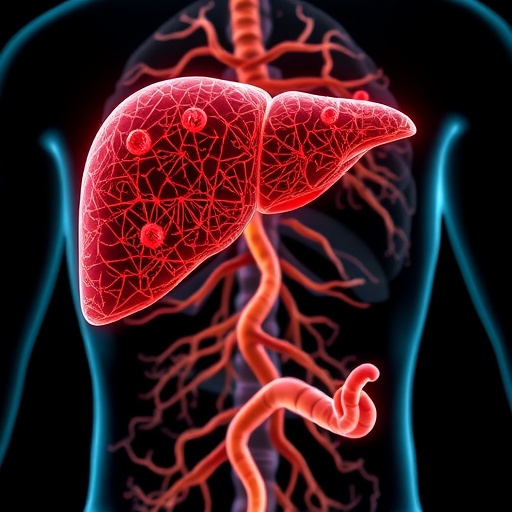
Hepatocellular carcinoma, the most common primary cancer of the liver, may have an unexpected vulnerability: copper. A new mini-review published in Molecular Biology Reports examines how the metal, essential in tiny amounts but toxic when mismanaged, could help determine whether liver cancer cells survive or die. The article, titled “Cuproptosis in hepatocellular carcinoma: bridging copper homeostasis with therapeutic horizons,” brings together evidence linking copper transport, mitochondrial metabolism, oxidative stress and antitumor treatment. Its central message is that copper is not merely a background nutrient in cancer biology. It may function as a metabolic switch, capable of supporting tumor growth under some conditions and triggering a distinctive form of cell death under others.
Copper is required for the activity of several enzymes involved in energy production, antioxidant defense, connective-tissue formation and cellular signaling. The liver plays a central role in controlling the body’s copper balance, absorbing the metal from the diet, incorporating it into proteins and directing excess copper toward biliary excretion. This system depends on a network of transporters and binding proteins. Copper transporter 1, or CTR1, helps cells import copper, while ATP7A and ATP7B distribute it to intracellular destinations or remove it when levels rise. Ceruloplasmin carries much of the copper in the bloodstream, and additional chaperone proteins deliver the metal to specific enzymes. In healthy tissue, this carefully regulated traffic prevents copper from accumulating in its reactive, chemically dangerous form.
Cancer can disrupt that balance. Tumor cells often remodel nutrient uptake and energy production to sustain rapid proliferation, and copper appears to be part of this metabolic adaptation. The review highlights evidence that hepatocellular carcinoma may exploit the copper–MYC–CTR1 axis. MYC, a transcription factor frequently activated in cancer, can increase the expression of genes that support proliferation and metabolism, including pathways that influence copper uptake. Elevated CTR1 may consequently provide malignant cells with more copper, potentially supporting enzymes involved in mitochondrial respiration, antioxidant protection and signaling. At the same time, excessive or improperly localized copper can generate reactive oxygen species, damage proteins and membranes, and place severe pressure on the endoplasmic reticulum and mitochondria.
The most intriguing development is cuproptosis, a copper-dependent form of regulated cell death first described in 2022. Unlike apoptosis, which involves caspase activation and controlled cellular dismantling, cuproptosis is closely tied to mitochondrial metabolism and protein lipoylation. Lipoylation is a biochemical modification in which a lipoate group is attached to specific lysine residues on enzymes of the tricarboxylic acid cycle. These modified proteins are essential for processing nutrients and producing energy inside mitochondria. When copper enters susceptible cells in excessive amounts, it can bind directly or indirectly to lipoylated mitochondrial proteins, promoting their aggregation. At the same time, copper can destabilize iron–sulfur proteins, leading to proteotoxic stress and ultimately cell death.
This mechanism creates a possible distinction between tumor cells and normal cells. Many cancers depend heavily on mitochondrial respiration or retain active tricarboxylic acid-cycle pathways, making them potentially sensitive to copper-induced mitochondrial damage. The review discusses research showing that ARID1A-deficient hepatocellular carcinoma may be especially vulnerable when the TCA cycle is targeted through cuproptosis. ARID1A is a component of the chromatin-remodeling machinery, and its loss can alter gene expression, metabolism and stress responses. In experimental models, this genetic defect was associated with a metabolic weakness that could be exploited to produce synthetic lethality, a situation in which blocking one pathway is particularly destructive only when a second vulnerability is already present.
Copper’s effects in liver cancer are not limited to direct toxicity. The metal can influence angiogenesis, the process through which tumors build new blood vessels. Research cited in the review connects copper transport and copper-dependent signaling with vascular endothelial growth factor pathways, including VEGFR2 signaling. Because growing tumors require oxygen and nutrients, changes in copper availability may affect not only cancer-cell metabolism but also the surrounding blood-vessel network. Copper can also interact with inflammatory signaling, antioxidant systems and the tumor microenvironment. These effects may influence immune-cell behavior, stromal remodeling and the capacity of malignant cells to invade nearby tissue.
The therapeutic possibilities are therefore moving in two opposite directions. One strategy is to increase copper stress inside cancer cells. Copper ionophores such as elesclomol can transport copper across membranes and direct it toward mitochondria, while disulfiram, an established drug used to treat alcohol dependence, can form copper-containing complexes with potential anticancer activity. By increasing intracellular copper or changing its distribution, these agents may push metabolically vulnerable tumor cells toward cuproptosis. Nanoparticles and drug-delivery systems are also being investigated as ways to concentrate copper or copper-based compounds within tumors. Such approaches could theoretically improve selectivity, but their safety depends on controlling exposure in the liver, an organ that naturally handles copper and is already vulnerable in patients with cirrhosis or chronic hepatitis.
The opposite strategy is copper deprivation. Chelating agents can bind copper and reduce its availability to cancer cells, potentially suppressing copper-dependent growth, angiogenesis or epithelial–mesenchymal transition, a process associated with invasion and metastasis. This approach could also influence resistance to chemotherapy and radiotherapy. However, copper depletion is not automatically beneficial: normal tissues require copper for essential enzymes, immune function and blood formation. The challenge is to distinguish the copper requirements of a tumor from those of healthy organs. The review therefore presents copper metabolism as a precision-treatment target rather than a simple “more is harmful” or “less is better” system.
The connection between cuproptosis and other forms of regulated cell death may make combination therapy especially powerful. Copper-dependent mitochondrial injury can overlap with oxidative stress, ferroptosis and autophagy. Ferroptosis is driven by iron-dependent lipid peroxidation, whereas cuproptosis centers on copper, lipoylated mitochondrial proteins and proteotoxic stress, but the pathways can interact through glutathione, reactive oxygen species and nutrient metabolism. Studies cited by the authors suggest that disulfiram and copper may consume glutathione and cooperate with suppression of the xCT antioxidant pathway, creating a cascade involving both ferroptosis and cuproptosis. Other experimental work has explored combinations with chemotherapy, radiotherapy, immune-based treatment and engineered nanomaterials. These findings raise the possibility that copper manipulation could sensitize resistant tumors rather than act as a stand-alone therapy.
Yet the field remains far from routine clinical use. Much of the current evidence comes from cell cultures, animal models or retrospective analyses of gene-expression datasets. Cuproptosis-related signatures have been associated with prognosis, immune activity and treatment sensitivity in hepatocellular carcinoma, but a gene-expression pattern is not the same as proof that cuproptosis is occurring in an individual patient. Researchers still need reliable biomarkers showing copper distribution, mitochondrial lipoylation, protein aggregation and pathway activation in living tumors. They must also determine how hypoxia, a common feature of solid cancers, affects treatment response. Recent research indicates that HIF-1α can promote resistance to cuproptosis, suggesting that oxygen availability and metabolic adaptation may decide whether copper-based therapy succeeds. The review concludes that carefully designed clinical studies, improved delivery systems and patient selection will be essential. If those challenges can be solved, copper homeostasis may become more than a biochemical curiosity: it could provide a new route for attacking liver cancer through the very metabolism that allows it to grow.
Cite Scienmag News
Nathaniel Bowman. (August 26, 2026). Cuproptosis Links Copper Homeostasis to New Therapeutic Opportunities in Liver Cancer. Scienmag. https://scienmag.com/cuproptosis-links-copper-homeostasis-to-new-therapeutic-opportunities-in-liver-cancer/
Nathaniel Bowman. "Cuproptosis Links Copper Homeostasis to New Therapeutic Opportunities in Liver Cancer." Scienmag, 26 August 2026, https://scienmag.com/cuproptosis-links-copper-homeostasis-to-new-therapeutic-opportunities-in-liver-cancer/. Accessed 4 September 2026.
Nathaniel Bowman. "Cuproptosis Links Copper Homeostasis to New Therapeutic Opportunities in Liver Cancer." Scienmag. August 26, 2026. https://scienmag.com/cuproptosis-links-copper-homeostasis-to-new-therapeutic-opportunities-in-liver-cancer/


