


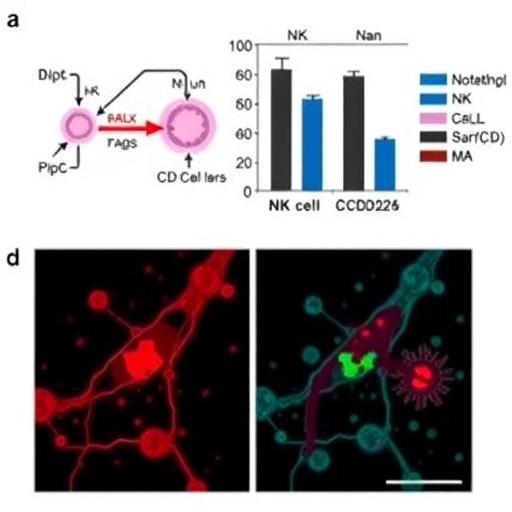
A microscopic defense strategy that normally helps the body trap invading microbes may also be opening the door for cancer cells to colonize the liver. A study published in Nature Communications reports that neutrophil extracellular traps, or NETs, can promote liver metastasis by disrupting the ability of natural killer cells to eliminate tumor cells in the bloodstream. The work identifies CCDC25, a molecule that enables cancer cells to sense NETs, as a critical link between inflammation and the failure of immune surveillance.
Metastasis begins long before a secondary tumor becomes visible on a scan. Cancer cells must detach from a primary tumor, enter the circulation, survive the mechanical and chemical stresses of blood flow, evade immune attack and finally establish themselves in a distant organ. The liver is one of the most common destinations for metastatic disease because it receives blood from both the systemic circulation and the digestive tract. Its dense network of specialized vessels and immune cells makes it an important battlefield where circulating tumor cells either disappear or begin building a new tumor.
Neutrophils are among the immune system’s fastest responders. When activated by infection, tissue damage or inflammatory signals released by tumors, these white blood cells can expel web-like structures composed primarily of DNA, histones and antimicrobial proteins. These structures, known as NETs, immobilize pathogens outside the cell and concentrate toxic molecules around them. Although NET formation can protect against infection, excessive or persistent NET production has increasingly been associated with chronic inflammation, thrombosis and cancer progression.
The new research places NETs directly at the center of a mechanism that weakens immune control over metastatic cells. According to the study by Zhang, Zeng, Li and colleagues, NETs do more than provide a physical scaffold that helps tumor cells lodge in the liver. They also interfere with NK cell-dependent tumor surveillance. Natural killer cells are specialized lymphocytes that can recognize stressed or abnormal cells without requiring the same antigen-specific priming used by conventional adaptive immune responses. In the circulation, this rapid recognition system can destroy disseminated cancer cells before they seed distant organs.
The researchers’ findings suggest that NETs create a protective environment around tumor cells, making it harder for NK cells to detect or eliminate them. The extracellular DNA-protein networks may act as a molecular shield, separating cancer cells from immune attack and altering the signals exchanged between tumor cells and their surroundings. This is particularly significant in the liver, where incoming cancer cells encounter a complex mixture of endothelial cells, macrophages, lymphocytes and other immune components. By changing that local environment, NETs may convert an organ equipped for immune filtration into a site more favorable to metastatic growth.
CCDC25 appears to function as a sensor that allows tumor cells to respond to NETs. The protein, whose full name is coiled-coil domain containing 25, is positioned on the surface of cancer cells and can interact with the DNA backbone of NETs. That interaction is not merely adhesive. It can transmit signals into the tumor cell, changing its behavior and potentially increasing its capacity to move, survive and establish contact with distant tissues. In this model, CCDC25 acts as a molecular receiver that translates an immune reaction into an advantage for cancer.
The importance of this pathway lies in the way it connects three biological processes that are often studied separately: neutrophil activation, immune surveillance and organ-specific metastasis. A tumor can stimulate neutrophils to release NETs; NETs can then be detected by CCDC25 on circulating cancer cells; and the resulting interaction can help those cells evade NK cells while preparing them for settlement in the liver. This creates a self-reinforcing cycle in which inflammation, rather than eliminating malignant cells, helps select and protect the cells most capable of spreading.
The findings also point toward possible therapeutic strategies, although they do not by themselves establish a treatment for patients. Blocking CCDC25 could prevent tumor cells from interpreting NET-derived signals. Interfering with NET formation or promoting the breakdown of excessive extracellular DNA might reduce the physical and biochemical support available to metastatic cells. At the same time, treatments would need to preserve the essential antimicrobial functions of neutrophils and avoid broadly suppressing immune defenses. The challenge will be to target harmful, tumor-associated NET activity without disabling normal protection against infection.
The study offers a new explanation for why inflammation surrounding a tumor can have consequences far beyond the original cancer site. It suggests that the outcome of metastatic spread may depend not only on the aggressiveness of tumor cells, but also on how those cells exploit the body’s emergency immune responses. By exposing CCDC25 as a possible control point between NETs and NK cell failure, the research provides a framework for understanding how liver metastases gain a foothold—and for developing interventions designed to keep the immune system’s traps from becoming cancer’s escape route.
Cite Scienmag News
Nathaniel Bowman. (August 11, 2026). Neutrophil Traps Drive Liver Metastasis by Disrupting NK Cell Surveillance Through CCDC25. Scienmag. https://scienmag.com/neutrophil-traps-drive-liver-metastasis-by-disrupting-nk-cell-surveillance-through-ccdc25/
Nathaniel Bowman. "Neutrophil Traps Drive Liver Metastasis by Disrupting NK Cell Surveillance Through CCDC25." Scienmag, 11 August 2026, https://scienmag.com/neutrophil-traps-drive-liver-metastasis-by-disrupting-nk-cell-surveillance-through-ccdc25/. Accessed 4 September 2026.
Nathaniel Bowman. "Neutrophil Traps Drive Liver Metastasis by Disrupting NK Cell Surveillance Through CCDC25." Scienmag. August 11, 2026. https://scienmag.com/neutrophil-traps-drive-liver-metastasis-by-disrupting-nk-cell-surveillance-through-ccdc25/


