


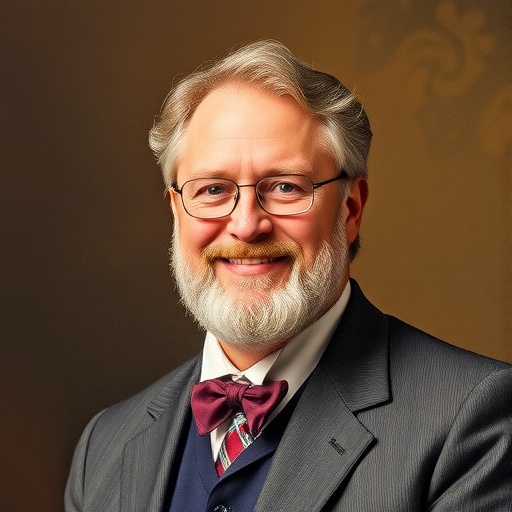
BOSTON, Massachusetts — August 7, 2026 — Thomas Marron, AVP of Emerging Innovation and Strategic Growth at Eli Lilly, will be a featured speaker at the 13th Aging Research & Drug Discovery (ARDD) Meeting, scheduled for October 1–3 at the David Rubenstein Treehouse at Harvard University. The announcement places one of the world’s largest pharmaceutical companies at the center of a rapidly expanding scientific movement focused on understanding biological aging and converting that knowledge into medicines that can preserve health and function later in life.
ARDD 2026 arrives as longevity research moves beyond speculative discussions about extending lifespan and toward a more technically defined goal: extending healthspan, the period during which people remain free from major age-related disease and disability. Researchers are increasingly studying aging as a complex biological process involving cellular senescence, chronic inflammation, mitochondrial dysfunction, impaired protein quality control, genomic instability, and changes in tissue repair. The convergence of these fields has created new opportunities for drug discovery, biomarker development, and clinical testing.
The meeting is expected to bring together academic scientists, clinical investigators, biotechnology companies, pharmaceutical executives, entrepreneurs, investors, and policymakers. Its organizers describe the event as a global forum for translating discoveries in the biology of aging into therapeutic programs. That translation remains one of the field’s central challenges: findings observed in model organisms must be validated in humans, measurable biological markers must be linked to meaningful clinical outcomes, and potential interventions must demonstrate acceptable safety over long treatment periods.
“The biology of aging has become one of the most promising frontiers in biomedical science,” said Vadim Gladyshev, executive chair of ARDD and professor of medicine at Harvard University. He emphasized that progress will require collaboration across disciplines and sectors. Aging biology draws on genetics, molecular biology, systems medicine, computational science, epidemiology, and clinical research, making partnerships essential for determining which mechanisms are genuinely actionable and which are only correlated with age-related decline.
Morten Scheibye-Knudsen, co-chair of ARDD and associate professor at the University of Copenhagen, said the conference’s move to Boston represents a new chapter for the meeting. Boston and the broader northeastern United States host a dense network of universities, hospitals, biotechnology companies, venture investors, and pharmaceutical research centers. The location is intended to connect longevity researchers with an ecosystem already known for developing therapies in oncology, immunology, metabolic disease, and neurology—fields that increasingly intersect with the science of aging.
The 2026 meeting will be officially organized by Insilico Medicine, with Insilico Medicine and Eli Lilly serving as Tier 1 sponsors. The McKinsey Health Institute will participate as the sole knowledge partner. Additional sponsors include AbbVie, AniVC, AstraZeneca, BioAge Labs, Biocytogen, Cambrian Bio, Cyclarity Therapeutics, Dior, GlycanAge, Gordian Biotechnology, Human Longevity, the Institute for Healthier Living Abu Dhabi, LongeVC, Maxwell Biosciences, Nestlé, Tally Health, and TruDiagnostic. Other supporting organizations include Synaro Capital, The Cat Health Company, PranaGen Bioscience, Estée Lauder, Morgan Stanley, the Intrinsic Capacity Frailty & Sarcopenia Research Conference for Healthy Longevity, and QuadraScope.
The breadth of this sponsor network reflects the increasingly commercial character of longevity science. Companies are developing interventions aimed at specific mechanisms associated with aging, including senescent cell accumulation, immune aging, metabolic deterioration, extracellular matrix changes, and loss of muscle strength. Others are building technologies to measure biological age using DNA methylation, proteomic signatures, glycan profiles, imaging, and functional assessments. These tools could help researchers identify high-risk individuals, select participants for clinical trials, and determine whether a treatment is altering the underlying biology rather than merely easing symptoms.
Alex Zhavoronkov, Ph.D., co-chair of ARDD and CEO of Insilico Medicine, said the meeting has served for more than a decade as a platform connecting academia, pharmaceutical companies, startups, and investors. He described the momentum surrounding the 2026 event as evidence that longevity biotechnology has become an important part of modern drug discovery and health economics. Insilico Medicine has been among the companies applying artificial intelligence to target identification and drug design, a strategy that could accelerate the search for compounds capable of modulating disease-related aging pathways.
Now in its 13th year, ARDD is presented by its organizers as the world’s largest meeting dedicated to aging and longevity biotechnology. The 2026 program is expected to focus on the practical requirements of developing therapies: defining robust biomarkers, designing trials for slowly progressing conditions, identifying clinically meaningful measures of function, and establishing regulatory pathways for interventions that target aging-related biology. As the field enters a more mature phase, its credibility will increasingly depend on reproducible evidence, rigorous human studies, and the ability to show that molecular improvements translate into longer, healthier lives.
News Publication Date: August 7, 2026
Web References: agingpharma.org
Cite Scienmag News
Beatrice Stafford. (August 7, 2026). Eli Lilly’s Thomas Marron to Present at 13th ARDD Meeting in Boston. Scienmag. https://scienmag.com/eli-lillys-thomas-marron-to-present-at-13th-ardd-meeting-in-boston/
Beatrice Stafford. "Eli Lilly’s Thomas Marron to Present at 13th ARDD Meeting in Boston." Scienmag, 7 August 2026, https://scienmag.com/eli-lillys-thomas-marron-to-present-at-13th-ardd-meeting-in-boston/. Accessed 4 September 2026.
Beatrice Stafford. "Eli Lilly’s Thomas Marron to Present at 13th ARDD Meeting in Boston." Scienmag. August 7, 2026. https://scienmag.com/eli-lillys-thomas-marron-to-present-at-13th-ardd-meeting-in-boston/


