


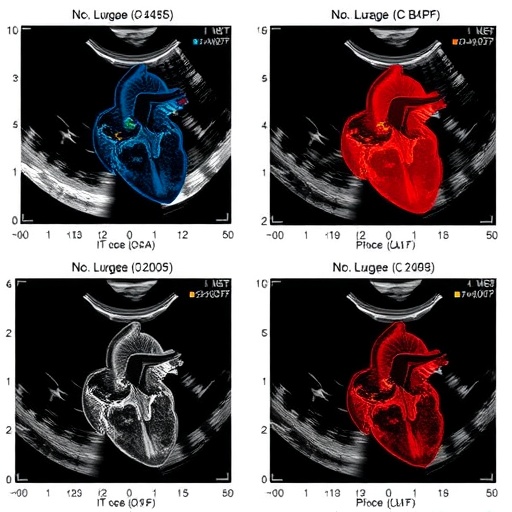
A new study in Pediatric Research is examining whether a simple blood test taken early in life can predict which newborns with a patent ductus arteriosus, or PDA, will eventually require surgery more effectively than a detailed echocardiographic scoring system. The comparison focuses on serum N-terminal pro-B-type natriuretic peptide, known as NT-proBNP, and the echocardiographic PLASE score, two tools that assess the clinical significance of a blood vessel that normally closes soon after birth.
PDA is especially common in premature infants. Before birth, the ductus arteriosus connects the pulmonary artery with the aorta, allowing blood to bypass the fetal lungs. After delivery, the lungs expand and oxygen levels rise, prompting the vessel to constrict and close. When that process fails, blood can flow continuously from the aorta into the pulmonary circulation. A large or persistent PDA may increase the workload on the heart, flood the lungs with blood and contribute to respiratory instability, feeding difficulties, kidney dysfunction and other complications of prematurity.
The central challenge for clinicians is not simply detecting whether a PDA is open, but determining whether it is causing enough cardiovascular stress to justify intervention. Many PDAs close spontaneously or remain clinically mild, while others can become hemodynamically significant. Surgery or catheter-based closure can be effective, but these procedures also carry risks, particularly in fragile newborns. Doctors therefore need reliable indicators that can distinguish infants likely to benefit from closure from those who can be monitored safely.
Echocardiography is the principal method used to evaluate PDA. Ultrasound imaging can reveal the size and shape of the ductus, the direction and velocity of blood flow, enlargement of the left atrium and left ventricle, and changes in blood flow to organs such as the brain, kidneys and intestines. A composite score such as PLASE is designed to bring several of these observations together, offering a structured estimate of how strongly the PDA is affecting circulation rather than relying on a single measurement.
Although echocardiography provides detailed anatomical and functional information, it requires specialized equipment and trained personnel. Measurements can also vary according to the infant’s position, heart rate, respiratory support and the experience of the examiner. In a busy neonatal intensive care unit, repeated imaging may be difficult to perform at precisely the time when a treatment decision is needed. These practical limitations have encouraged researchers to investigate blood-based markers that could complement or, in selected circumstances, simplify early risk assessment.
NT-proBNP is one such marker. It is released when the heart muscle is exposed to increased wall stress. The biologically active hormone BNP helps promote the excretion of salt and water and relaxes blood vessels, while NT-proBNP is an inactive fragment produced at the same time. Because NT-proBNP remains in the bloodstream longer than BNP and can be measured from a blood sample, it is widely used as an indicator of cardiac strain in adult and pediatric medicine. In newborns, however, concentrations are influenced by gestational age, postnatal age, kidney function and the normal circulatory transition after birth.
The study by Morita, Masutani, Pak and colleagues compares the predictive ability of an early serum NT-proBNP measurement with that of the echocardiographic PLASE score for PDA surgery. The question is clinically important because an early laboratory value could provide a rapid, quantitative signal of cardiovascular burden before the full pattern of echocardiographic changes becomes apparent. At the same time, the comparison tests whether a biochemical marker can match the more comprehensive physiological information captured by ultrasound.
Rather than treating either measurement as an automatic trigger for surgery, the research addresses a broader issue in neonatal medicine: how different types of evidence can be combined to make decisions under uncertainty. A high NT-proBNP concentration may indicate that the heart is working against substantial volume or pressure stress, but it does not by itself describe the ductus anatomy or the distribution of blood flow. Conversely, an echocardiographic score may identify several consequences of PDA while still being affected by technical and observer-related factors. Comparing their predictive performance may show whether one tool is more useful, or whether the strongest approach is a combination of both.
The findings could be particularly valuable if they help clinicians identify high-risk infants earlier and avoid unnecessary procedures in infants whose PDA is likely to close or remain stable. A blood test that performs well could be incorporated into early screening protocols, while echocardiography would remain essential for confirming anatomy, assessing severity and planning treatment. If the two measures provide different but complementary information, their combined use could produce a more precise clinical profile than either test alone.
The work also highlights why treatment decisions for PDA continue to evolve. The presence of an open ductus is not equivalent to disease, and closing it is not automatically beneficial for every infant. Future care is likely to depend on individualized assessments that integrate symptoms, respiratory status, organ perfusion, imaging and biomarkers. By directly comparing early NT-proBNP levels with the PLASE score, this study contributes to that effort and may help move PDA management toward faster, more consistent and more biologically informed decisions in neonatal intensive care.
Cite Scienmag News
Ophelia Keating. (August 5, 2026). Early NT-proBNP Versus Echocardiographic PLASE Score for Predicting PDA Surgery. Scienmag. https://scienmag.com/early-nt-probnp-versus-echocardiographic-plase-score-for-predicting-pda-surgery/
Ophelia Keating. "Early NT-proBNP Versus Echocardiographic PLASE Score for Predicting PDA Surgery." Scienmag, 5 August 2026, https://scienmag.com/early-nt-probnp-versus-echocardiographic-plase-score-for-predicting-pda-surgery/. Accessed 3 September 2026.
Ophelia Keating. "Early NT-proBNP Versus Echocardiographic PLASE Score for Predicting PDA Surgery." Scienmag. August 5, 2026. https://scienmag.com/early-nt-probnp-versus-echocardiographic-plase-score-for-predicting-pda-surgery/


