


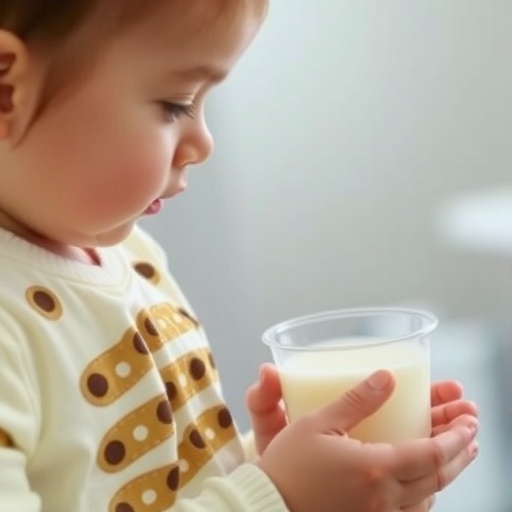
A new Swansea University study has exposed the severe health, financial and psychological consequences of rising infant formula prices for families across the United Kingdom. The research, funded by the Medical Research Council and published in Maternal and Child Nutrition, is described as the first UK study to examine how formula affordability affects parental wellbeing, household finances and the safety of infant feeding. Its findings suggest that the cost of feeding a baby has become a public-health crisis, forcing some parents to make choices that could directly threaten infant nutrition and increase the risk of infection.
The researchers gathered evidence from 281 parents experiencing financial difficulty through surveys and interviews. Nearly every participant reported that the cost of formula had harmed their mental health. Parents described persistent anxiety, guilt, shame and social isolation, while some said the pressure had contributed to depression and feelings of regret about becoming a parent. One mother said she sometimes regretted having her baby, despite loving her deeply, because she felt she was failing to provide adequate care. The researchers say such accounts demonstrate how financial insecurity can become intertwined with postnatal distress and undermine confidence during an already vulnerable period.
Infant formula is not an optional household purchase for families whose babies are not breastfed or who require supplementary feeding. Commercial formula provides carefully measured quantities of protein, fat, carbohydrate, vitamins and minerals designed to support rapid growth and neurological development. When parents cannot afford sufficient supplies, however, the consequences can extend beyond temporary inconvenience. The study found that almost 40% of surveyed parents had used at least one unsafe feeding practice, including watering down formula, reusing leftover milk or reducing the frequency of sterilisation.
These practices can create distinct biological risks. Diluting formula lowers its energy and nutrient density, potentially leaving infants without enough calories, protein and essential micronutrients. In severe cases, excessive water can disturb the balance of sodium and other electrolytes in an infant’s blood, while insufficient nutrient intake may impair healthy growth. Reusing unfinished formula is also hazardous because bacteria from a baby’s mouth can multiply rapidly in milk, particularly when it is stored at unsuitable temperatures. Inadequate cleaning or sterilisation of bottles can allow pathogens to survive and cause gastrointestinal or other infections. The study’s findings indicate that these risks are not simply the result of a lack of information, but of families being pushed beyond what their budgets can sustain.
The financial sacrifices reported by parents were extensive. More than one-third, or 37%, said they had left their homes unheated to afford essential items, while 43% had fallen behind on household bills. Nearly half, 47%, had accumulated debts that they found difficult to repay. For 21% of mothers, the cost of feeding their baby contributed to ending maternity leave early and returning to work sooner than planned. These decisions can create additional pressures, including childcare costs, physical exhaustion and reduced opportunities for recovery after childbirth, potentially reinforcing a cycle in which financial stress and poor health intensify one another.
Parents also described changing how and when their babies were fed in order to reduce costs. Almost half of the families surveyed, 48%, introduced solid foods before their infants were developmentally ready, while 45% switched to cheaper formula marketed for older babies. Introducing solids too early may displace milk, which remains a critical source of energy and nutrients during early infancy, and may be unsuitable for babies who have not developed the coordination needed to eat safely. Formula intended for different age groups is not necessarily interchangeable, because its composition and nutritional profile may be designed for a later stage of development. In the most extreme cases, 10% of participants said they had taken formula from a shop without paying because they could see no other way to feed their child.
The crisis is unfolding against a sharp rise in the price of formula. Professor Amy Brown, who led the study, said prices increased by as much as 45% between 2021 and 2023, during a broader cost-of-living emergency that had already placed food, energy and housing beyond the reach of many households. The Competition and Markets Authority has reported exceptionally high profit margins in the infant-formula market, estimated at between 50% and 75%, and identified concerns about excessive price increases. Because formula is essential for many infants, the researchers argue that market forces cannot be treated in the same way as they are for ordinary consumer products.
The study also highlights the consequences of inadequate breastfeeding support. Many of the mothers interviewed had wanted to breastfeed but had been unable to obtain timely, consistent or effective assistance. When they subsequently struggled to buy formula, they felt they had failed twice: first because breastfeeding had not worked as they hoped, and then because they could not reliably afford an alternative. The researchers stress that this is not an argument for pressuring parents to breastfeed. More than half of UK babies receive formula during their first week, and 88% receive some formula by six months. Globally, fewer than half of infants are exclusively breastfed for the first six months, making safe and affordable formula access a central component of infant food security.
Professor Brown said the researchers were shocked by the scale and emotional depth of the experiences reported. The team is calling for a more integrated infant-feeding policy that protects breastfeeding through better professional and community support while ensuring that families who use formula can obtain reliable supplies at affordable prices. Such action, the researchers argue, would reduce unsafe preparation, protect infants from nutritional and infectious hazards, and relieve the financial pressure contributing to parental depression and anxiety. The study concludes that infant feeding must be treated as a matter of public health and social protection, not merely as a private purchasing decision.
Web References: https://onlinelibrary.wiley.com/doi/10.1111/mcn.70228
References: Maternal and Child Nutrition. DOI: 10.1111/mcn.70228
Cite Scienmag News
Harold Sullivan. (August 4, 2026). Study reveals devastating toll of soaring infant formula prices on UK families. Scienmag. https://scienmag.com/study-reveals-devastating-toll-of-soaring-infant-formula-prices-on-uk-families/
Harold Sullivan. "Study reveals devastating toll of soaring infant formula prices on UK families." Scienmag, 4 August 2026, https://scienmag.com/study-reveals-devastating-toll-of-soaring-infant-formula-prices-on-uk-families/. Accessed 3 September 2026.
Harold Sullivan. "Study reveals devastating toll of soaring infant formula prices on UK families." Scienmag. August 4, 2026. https://scienmag.com/study-reveals-devastating-toll-of-soaring-infant-formula-prices-on-uk-families/


