


Corticotroph pituitary neuroendocrine tumours, or corticotroph PitNETs, have long presented doctors with a deceptively difficult puzzle. These tumours arise from corticotroph cells in the pituitary gland, the small endocrine organ that regulates essential hormonal signals throughout the body. When they produce excessive adrenocorticotropic hormone, or ACTH, they can drive Cushing’s disease, a condition associated with weight gain, high blood pressure, diabetes, osteoporosis, immune dysfunction and increased cardiovascular risk. Yet patients with apparently similar tumours can experience dramatically different clinical courses. A new study published in Nature Communications suggests that this variation is rooted in the tumours’ molecular architecture.
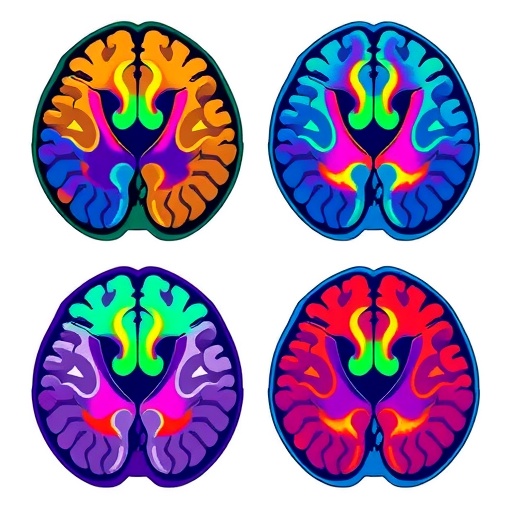
Researchers led by Marc Dottermusch, Anna Ryba and Anja Gocke used a multi-omics strategy to examine corticotroph PitNETs at several biological levels simultaneously. Rather than relying on a single measurement, such as hormone production or the activity of selected genes, multi-omics combines different molecular datasets to create a more comprehensive portrait of disease. Depending on the datasets analysed, this approach can capture gene expression, genetic alterations, epigenetic marks, protein activity and other features that influence how a tumour behaves. By integrating these layers, the investigators identified four molecular subgroups with distinct clinicopathological characteristics.
The finding challenges the idea that corticotroph tumours represent one uniform disease. Under the microscope, many pituitary tumours may share broad features, and routine clinical tests often focus on hormone excess, tumour size, invasion and response to treatment. Molecular analysis, however, can reveal hidden differences in the biological programmes that drive tumour growth and hormone secretion. Two tumours that appear similar in a pathology laboratory may therefore depend on different signalling pathways, carry different risks or respond differently to therapy. The four-group classification provides a framework for making those distinctions visible.
At the centre of the research is the principle that tumour behaviour emerges from interacting molecular systems. DNA sequence changes may alter the instructions available to a cell, but those instructions are interpreted through epigenetic regulation, which controls whether genes are switched on or off. Gene activity is then translated into proteins and signalling networks that determine cell division, hormone synthesis, metabolism and interactions with surrounding tissue. Examining only one layer can miss important biological connections. Multi-omics integration instead searches for coordinated patterns across layers, allowing researchers to distinguish fundamental tumour programmes from isolated molecular abnormalities.
For corticotroph PitNETs, this distinction is especially important because ACTH production and tumour aggressiveness do not always move together. Some lesions produce substantial hormone excess while remaining relatively small, whereas others may grow invasively, recur after surgery or prove difficult to control despite less striking hormonal findings. The newly described subgroups were reported to have distinct clinicopathological features, indicating that their molecular identities correspond to observable differences in patients and tumour specimens. Such links are a crucial step toward translating molecular classification into practical medical decisions.
The study could also help explain why treatment outcomes vary. Surgery is the primary treatment for many patients with Cushing’s disease, but complete removal may be difficult when a tumour extends into nearby structures. Persistent or recurrent disease may require medication, radiation or additional surgery. Drugs that suppress cortisol production or interfere with ACTH-related pathways can be effective, but responses are not uniform. If particular molecular subgroups are associated with hormone production, invasive growth or recurrence, clinicians may eventually use tumour biology to estimate risk and select follow-up strategies more precisely.
Importantly, the classification is not simply a new set of labels. A useful molecular subgroup system must be reproducible, biologically meaningful and feasible to apply beyond a single research cohort. The researchers’ integration of multiple molecular datasets offers a basis for developing such a system, but further studies will be needed to test whether the four subgroups can be identified consistently in independent patient populations. Researchers will also need to determine whether the classification remains stable over time, particularly after treatment, and whether it predicts outcomes strongly enough to change clinical management.
The work illustrates the broader transformation taking place in cancer and endocrine research. Traditional tumour categories are increasingly being supplemented by molecular taxonomies that describe what a tumour is doing rather than only where it is located or how it looks. In pituitary medicine, this shift could be especially valuable because these tumours are uncommon, biologically diverse and closely linked to systemic hormone disturbances. A molecular map may help researchers connect cellular mechanisms to whole-body effects, revealing why a tumour triggers severe disease in one patient but follows a more restrained course in another.
For patients, the immediate message is not that clinical care will change overnight, but that the biological complexity of corticotroph PitNETs is becoming clearer. The identification of four molecular subgroups provides researchers with a more precise language for studying these tumours and a potential foundation for future biomarkers and targeted treatments. As independent studies validate the classification and connect each subgroup to therapeutic responses, multi-omics profiling could move from an advanced research tool toward a practical component of precision endocrinology. What once looked like a single disorder may, at the molecular level, be four different diseases requiring four different strategies.
Cite Scienmag News
Juliet Wilcox. (August 4, 2026). Multi-omics reveals four corticotroph pituitary tumor subgroups with distinct clinical features. Scienmag. https://scienmag.com/multi-omics-reveals-four-corticotroph-pituitary-tumor-subgroups-with-distinct-clinical-features/
Juliet Wilcox. "Multi-omics reveals four corticotroph pituitary tumor subgroups with distinct clinical features." Scienmag, 4 August 2026, https://scienmag.com/multi-omics-reveals-four-corticotroph-pituitary-tumor-subgroups-with-distinct-clinical-features/. Accessed 3 September 2026.
Juliet Wilcox. "Multi-omics reveals four corticotroph pituitary tumor subgroups with distinct clinical features." Scienmag. August 4, 2026. https://scienmag.com/multi-omics-reveals-four-corticotroph-pituitary-tumor-subgroups-with-distinct-clinical-features/


