


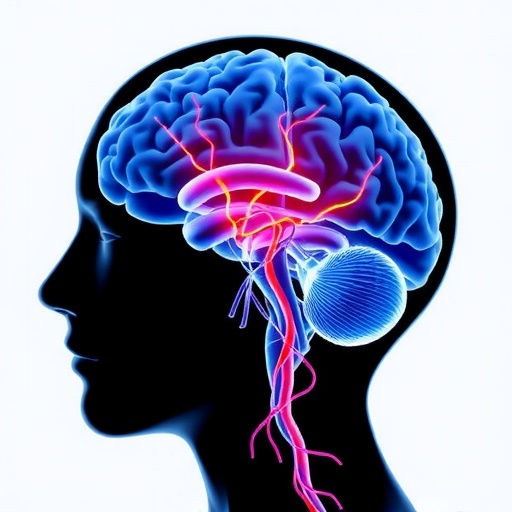
A new study links a little-known brain control system to the way the brain clears waste—and suggests a fresh explanation for why depression may involve more than mood chemistry. Researchers report that cholinergic neurons in the basal forebrain can actively shape glymphatic function, the brain’s circulation-and-clearance pathway that helps remove metabolic byproducts during sleep-like states.
The glymphatic system relies on specialized fluid movement through brain tissue and through perivascular channels surrounding blood vessels. In this framework, the efficiency of waste clearance depends on how water and solutes flow across neural tissue, as well as how vascular dynamics and surrounding astrocytes behave. While glymphatic activity has been studied in relation to sleep and neurodegeneration, the precise neural inputs governing the process have remained unclear.
In their 2026 work in Translational Psychiatry, Fang and colleagues describe a mechanism centered on cholinergic signaling. Cholinergic projections from the basal forebrain—famous for roles in attention, arousal, and cortical state—appear to modulate the physical conditions that enable glymphatic transport. By influencing factors such as extracellular fluid dynamics and tissue-level permeability, the pathway may determine how effectively the brain’s “cleanup crew” can operate.
The researchers frame their findings as a potential bridge between two major domains: neuromodulation and the brain’s internal housekeeping. In other words, the same neurotransmitter system that tunes brain state may also tune how efficiently debris is cleared. That coupling could help explain why shifts in sleep, arousal, and neural network activity—common in depression—might also impair biological cleanup processes.
Experimentally, the team used approaches that probe glymphatic behavior and manipulate cholinergic influence, tracking how changes altered transport-related outcomes. The pattern of results supports the idea that basal forebrain cholinergic input is not merely correlated with glymphatic function, but can function as a regulatory lever.
Depression has long been associated with neuroinflammation, altered neuroplasticity, and disrupted circadian rhythms. This new angle adds a physiological layer: if cholinergic modulation affects glymphatic clearance, then inefficient waste removal could contribute to sustained cellular stress, microenvironment changes, or heightened vulnerability in mood-regulating circuits.
Crucially, the study points to mechanistic targets rather than only symptoms. If cholinergic control can influence waste transport, therapies that restore appropriate cholinergic signaling—or normalize glymphatic dynamics—might offer a route to reduce downstream brain stressors linked to depressive disorders.
The work also raises a broader question: how do brain states that favor sleep-like clearance become regulated, and what happens when those switches malfunction? By identifying a specific neuromodulatory origin for glymphatic modulation, the authors provide a testable roadmap for future research into mood, sleep physiology, and brain hygiene.
Whether these findings translate directly into clinical depression remains to be determined, but the study’s message is clear: glymphatic function may be a modifiable biological process under cholinergic control, with implications for understanding—and potentially treating—depression.
Cite Scienmag News
Glenn Wilkins. (July 28, 2026). Cholinergic Basal Forebrain Control of Glymphatic Flow May Affect Depression. Scienmag. https://scienmag.com/cholinergic-basal-forebrain-control-of-glymphatic-flow-may-affect-depression/
Glenn Wilkins. "Cholinergic Basal Forebrain Control of Glymphatic Flow May Affect Depression." Scienmag, 28 July 2026, https://scienmag.com/cholinergic-basal-forebrain-control-of-glymphatic-flow-may-affect-depression/. Accessed 5 September 2026.
Glenn Wilkins. "Cholinergic Basal Forebrain Control of Glymphatic Flow May Affect Depression." Scienmag. July 28, 2026. https://scienmag.com/cholinergic-basal-forebrain-control-of-glymphatic-flow-may-affect-depression/


