


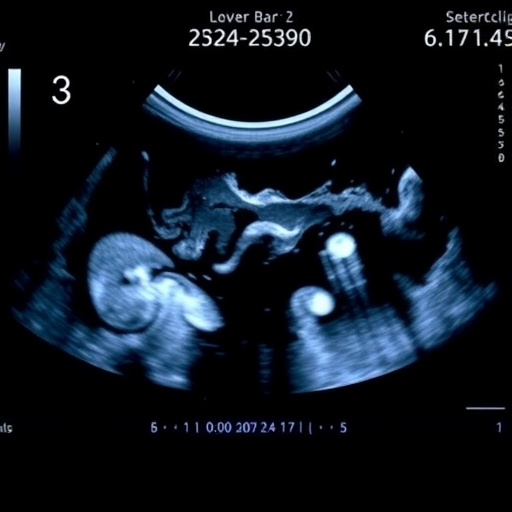
A new study shines a spotlight on a simple but potentially transformative idea in neonatal intensive care: making lung ultrasound (LUS) use consistent across clinicians. Researchers report that implementing a standardized approach to LUS in neonatal units could improve how respiratory problems are detected, tracked, and ultimately managed in the most fragile patients—newborns whose lungs are still adapting to life outside the womb.
The work, published July 20, 2026, focuses on what often goes wrong when diagnostic imaging tools are deployed in fast-paced clinical settings. Without a shared protocol, examiners may scan different lung regions, apply inconsistent measurement methods, or interpret artifacts as pathology. The result can be variability in diagnosis and in the timing of interventions.
In standardized LUS implementation, clinicians follow predefined scanning steps and interpret lung findings using structured criteria. The study emphasizes that this consistency enables more comparable assessments across shifts and professionals. For neonates, where respiratory status can change rapidly, repeated and reliable imaging is crucial for responding quickly to conditions such as transient breathing difficulties, evolving lung injury, or complications related to ventilation.
Technically, LUS offers real-time insight into aeration patterns and can reflect changes in fluid, atelectasis, and inflammation without ionizing radiation. By standardizing how the ultrasound is performed—where probes are placed, how images are categorized, and how results are documented—the research team aims to reduce “operator dependence,” a known limitation in ultrasound-based care.
Beyond diagnosis, standardized LUS could also support care pathways. With harmonized findings, clinicians may better decide when to escalate respiratory support, adjust ventilatory strategies, or evaluate response to treatment. That means fewer ambiguous readings and a clearer chain of evidence connecting ultrasound patterns to clinical actions.
The authors frame the initiative as an implementation science question rather than a purely technical one: can protocol-driven imaging improve outcomes in everyday NICU practice? Their evaluation centers on whether standardized LUS changes clinical decision-making and potentially patient trajectories.
As neonatal care becomes increasingly data-guided, the study suggests that the biggest gains may come not from new machines, but from shared rules for using existing ones. In viral science terms, the message is clear: a “standard view” of the lungs may help standardize—and improve—the care newborns receive.
Cite Scienmag News
Harold Sullivan. (July 28, 2026). Standardizing Lung Ultrasound to Improve Neonatal Care Outcomes. Scienmag. https://scienmag.com/standardizing-lung-ultrasound-to-improve-neonatal-care-outcomes/
Harold Sullivan. "Standardizing Lung Ultrasound to Improve Neonatal Care Outcomes." Scienmag, 28 July 2026, https://scienmag.com/standardizing-lung-ultrasound-to-improve-neonatal-care-outcomes/. Accessed 3 September 2026.
Harold Sullivan. "Standardizing Lung Ultrasound to Improve Neonatal Care Outcomes." Scienmag. July 28, 2026. https://scienmag.com/standardizing-lung-ultrasound-to-improve-neonatal-care-outcomes/


