


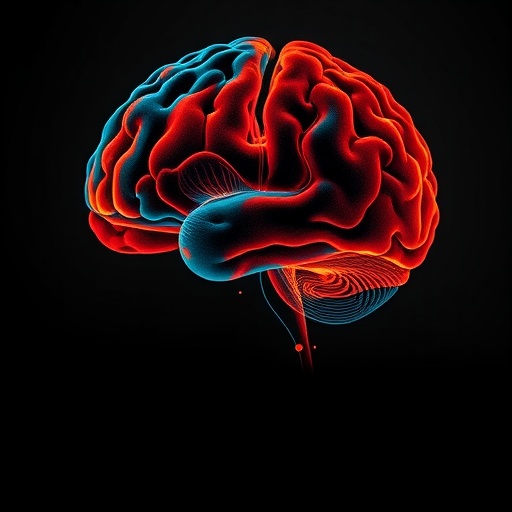
In a new meta-analysis spanning task-based functional MRI (fMRI) studies, researchers report converging evidence for how the brain’s activity pattern changes alongside suicidal ideation and suicidal behaviors. The work, published in Translational Psychiatry, synthesizes results across experiments designed to probe cognition and emotion under controlled tasks, offering a more unified picture than any single dataset could provide.
The study focuses on functional changes—how different brain regions coordinate and respond during task performance—rather than purely structural differences. By pooling findings, the authors aim to identify reproducible neural signatures associated with suicidal thoughts and actions, an area where results have sometimes varied across cohorts, imaging protocols, and task paradigms.
Methodologically, the meta-analysis emphasizes task-based contrasts, allowing researchers to examine whether particular networks reliably show altered activation or connectivity-related patterns during specific cognitive or affective demands. This approach can help disentangle state-related processes—such as acute emotional distress—from broader patterns that may reflect vulnerability or persistence.
Among the most notable outcomes is the observation that brain systems involved in emotion regulation and cognitive control show disturbances that track with suicidal ideation and behaviors. These findings align with theories that link suicide risk to disruptions in top-down regulation, impaired evaluation of internal states, and altered responses to emotionally salient information.
The reported neural changes also suggest that multiple interacting circuits—not a single “suicide center”—may contribute to risk. Instead, the brain appears to shift in the balance between regions that generate or amplify distress signals and regions responsible for dampening, reappraising, or redirecting them during tasks.
Importantly, the analysis distinguishes between ideation and behaviors through aggregated imaging evidence, which could help clarify whether there are partially shared mechanisms or distinct patterns as risk progresses. Such stratification is crucial for translating neuroimaging findings into risk assessment strategies.
Because the review is based on existing task-based fMRI results, it also reflects typical limitations of the field, including differences in participant characteristics, scanner settings, and analytic pipelines. Nevertheless, the meta-analytic framework strengthens confidence by highlighting effects that replicate across studies.
For clinicians and researchers, the study’s takeaway is both practical and urgent: consistent functional alterations in affective and control networks may serve as targets for future biomarker development and for interventions designed to restore regulatory capacity.
Looking ahead, the authors argue that future work combining standardized tasks, harmonized preprocessing, and longitudinal designs could determine how these brain signals evolve over time—and whether they can predict transitions from ideation to attempted behaviors.
Cite Scienmag News
Cassandra Pierce. (July 28, 2026). Meta-analysis Identifies Brain Functional Changes Linked to Suicidal Ideation. Scienmag. https://scienmag.com/meta-analysis-identifies-brain-functional-changes-linked-to-suicidal-ideation/
Cassandra Pierce. "Meta-analysis Identifies Brain Functional Changes Linked to Suicidal Ideation." Scienmag, 28 July 2026, https://scienmag.com/meta-analysis-identifies-brain-functional-changes-linked-to-suicidal-ideation/. Accessed 3 September 2026.
Cassandra Pierce. "Meta-analysis Identifies Brain Functional Changes Linked to Suicidal Ideation." Scienmag. July 28, 2026. https://scienmag.com/meta-analysis-identifies-brain-functional-changes-linked-to-suicidal-ideation/


