


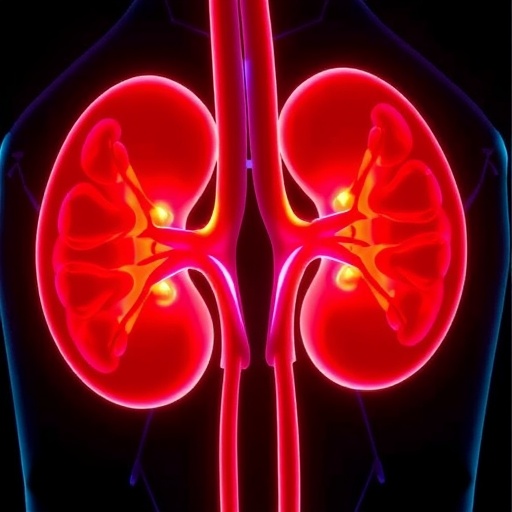
A new multi-center Phase 1 study is testing casdatifan, an investigational oral therapy designed to inhibit hypoxia-inducible factor-2 alpha (HIF-2α), a transcription factor that helps clear cell renal cell carcinoma (ccRCC) grow and persist in low-oxygen tumor microenvironments. Published in Nature, the results offer an early but measurable signal that directly targeting this oxygen-regulated pathway may translate into durable clinical benefit in patients whose disease has already resisted standard treatments.
In advanced ccRCC, HIF-2α functions like a tumor command center, activating gene programs that support survival, growth, and metastatic potential. Prior efforts to interrupt elements of this network have produced limited response rates for many patients once resistance develops. Casdatifan was engineered to more effectively shut down the HIF-2α signal and to improve drug engagement within tumor tissue.
The ARC-20 trial enrolled 127 participants with treatment-resistant disease, most having received multiple lines of therapy. In patients treated at the recommended dose, the confirmed objective response rate reached 35%. Across the entire study population, the response rate was 31%, while more than 80% of patients achieved disease control, including stable disease.
Timing matters in early-phase oncology, and here responses emerged after a median of roughly three months. Importantly, some tumors continued to shrink beyond an initial response period rather than quickly leveling off, suggesting ongoing pathway suppression rather than a short-lived effect.
Researchers also linked pharmacodynamic changes in blood to outcomes. Reductions in serum erythropoietin—regulated by HIF-2α—were associated with higher response rates, lower progression rates, and longer progression-free survival. Tumor analyses reinforced this pattern, indicating that patients whose tumors showed higher HIF-2α pathway activity were more likely to benefit, consistent with on-target drug action.
Safety findings were consistent with therapies targeting the same pathway. Common adverse events included anemia, fatigue, and hypoxia, generally manageable with supportive care and dose adjustments. Treatment discontinuation related to the study drug was uncommon, and no treatment-related deaths were reported.
Because ARC-20 was a single-arm early-phase trial, it was not designed to directly compare casdatifan with other therapies, and cross-trial comparisons remain limited. Nevertheless, the study’s integrated clinical and molecular design provides a clearer picture of how tumor biology may determine who benefits.
Ongoing work now aims to define casdatifan’s role more precisely, including studies evaluating combinations with other treatments. Until additional evidence is available, casdatifan remains investigational and not part of standard therapy.
Cite Scienmag News
Nathaniel Bowman. (July 28, 2026). Study Finds Casdatifan Produces Durable Tumor Responses in Advanced Kidney Cancer. Scienmag. https://scienmag.com/study-finds-casdatifan-produces-durable-tumor-responses-in-advanced-kidney-cancer/
Nathaniel Bowman. "Study Finds Casdatifan Produces Durable Tumor Responses in Advanced Kidney Cancer." Scienmag, 28 July 2026, https://scienmag.com/study-finds-casdatifan-produces-durable-tumor-responses-in-advanced-kidney-cancer/. Accessed 5 September 2026.
Nathaniel Bowman. "Study Finds Casdatifan Produces Durable Tumor Responses in Advanced Kidney Cancer." Scienmag. July 28, 2026. https://scienmag.com/study-finds-casdatifan-produces-durable-tumor-responses-in-advanced-kidney-cancer/


