

Monday, July 27, 2026
Science
No Result
View All Result
  • Login
  • HOME
  • SCIENCE NEWS
  • CONTACT US
  • HOME
  • SCIENCE NEWS
  • CONTACT US
No Result
View All Result
Scienmag
No Result
View All Result
Home Science News Medicine

Empagliflozin and Other SGLT2 Inhibitors Show Cardioprotective Benefits

July 27, 2026
in Medicine
Reading Time: 2 mins read
0
Empagliflozin and Other SGLT2 Inhibitors Show Cardioprotective Benefits

Empagliflozin and Other SGLT2 Inhibitors Show Cardioprotective Benefits

65
SHARES
587
VIEWS
Share on FacebookShare on Twitter
ADVERTISEMENT

Since the landmark EMPA-REG OUTCOME trial, sodium–glucose cotransporter 2 (SGLT2) inhibitors have rapidly shifted from diabetes drugs to a central strategy for cardiovascular–kidney–metabolic protection. A growing body of clinical evidence now links empagliflozin and its class members to fewer hospitalizations for heart failure, slower progression of chronic kidney disease, and reduced cardiovascular death across diverse patient groups.

A new Review in Nature Reviews Cardiology synthesizes what is known about why these agents work so consistently, even though the full mechanistic picture remains incomplete. The authors describe empagliflozin’s benefits as the product of multiple, interlocking pathways rather than a single “magic bullet.” In other words, the drug appears to act on several biological systems that converge on cardiac and renal resilience.

On the hemodynamic front, the Review highlights how SGLT2 inhibitors may alter fluid balance and vascular dynamics in ways that relieve cardiac stress. That vascular effect then connects to broader changes in endothelial function, where improved vascular signaling can support healthier blood flow and reduce downstream injury.

Metabolic and cellular energy pathways also feature prominently. Rather than relying solely on glucose availability, SGLT2 inhibitors seem to promote mitochondrial bioenergetics improvements, including greater mitochondrial activity and enhanced substrate flexibility. This shift may help cardiac and renal cells maintain energy homeostasis under stress.

The Review further links these effects to reduced maladaptive remodeling of the heart. By interfering with processes that drive progression from initial insult to long-term structural deterioration, empagliflozin may preserve function and limit the trajectory toward worsening heart disease.

Looking ahead, the next decade will be defined by closing evidence gaps. The Review points to key uncertainties in populations facing advanced kidney failure and in cardio-oncology, where cancer treatments and cardiovascular risk intersect in complex ways.

Equally important will be how SGLT2 inhibitors fit into real-world therapeutic sequencing. The Review emphasizes integration with other guideline-directed treatments, aiming to optimize combinations, timing, and long-term implementation in routine clinical care.

Taken together, the message is clear: SGLT2 inhibitors have moved beyond glycemic control into a multi-target framework for organ protection, and future research will focus on translating mechanistic insights into more precise, broadened patient benefit.

Subject of Research: Cardiovascular–kidney–metabolic protection by SGLT2 inhibitors
Article Title: Cardioprotective properties of empagliflozin and other SGLT2 inhibitors
Article References: Zelniker, T.A., Braunwald, E. Cardioprotective properties of empagliflozin and other SGLT2 inhibitors. Nat Rev Cardiol (2026). https://doi.org/10.1038/s41569-026-01325-4
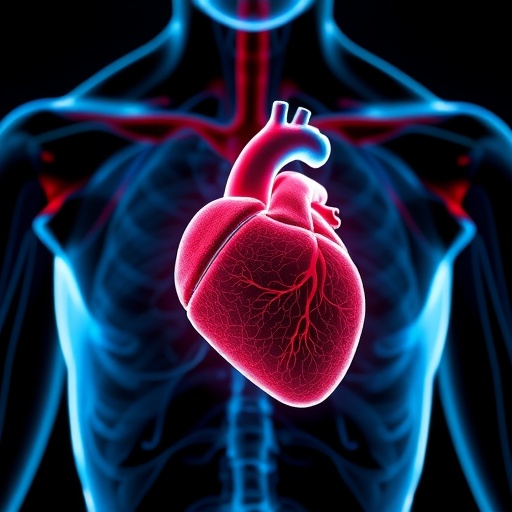
Image Credits: AI Generated
DOI: 10.1038/s41569-026-01325-4
Keywords: SGLT2 inhibitors; empagliflozin; heart failure; chronic kidney disease; mitochondrial bioenergetics; endothelial function; cardiovascular mortality; cardio-oncology; therapeutic sequencing

Tags: cardiovascular outcome trialschronic kidney disease progression preventiondiabetes and kidney disease therapiesempagliflozin heart failure managementfluid balance and hemodynamic changesmechanisms of SGLT2 inhibitorsmetabolic effects of SGLT2 inhibitorsmitochondrial bioenergetics in cardioprotectionmulti-pathway cardioprotective mechanismsSGLT2 inhibitors cardiovascular protectionSGLT2 inhibitors in diverse patient populationsvascular and endothelial function in heart health
Share26Tweet16
Previous Post

Recombinase-Based Genome Mapping Enables Large-Scale Structure Profiling of Prime Edits

Next Post

Azacitidine and Venetoclax Impact Inflammatory Markers and Response in Elderly AML

Related Posts

Structure Reveals How Crimean-Congo Hemorrhagic Fever Virus Polymerase Is Inhibited
Medicine

Structure Reveals How Crimean-Congo Hemorrhagic Fever Virus Polymerase Is Inhibited

July 27, 2026
Immunological Misadaptation Predicts Spontaneous Preterm Birth in Pregnancies
Medicine

Immunological Misadaptation Predicts Spontaneous Preterm Birth in Pregnancies

July 27, 2026
How Extracellular Histones Disrupt Cardiomyocyte Function: New Mechanisms
Medicine

How Extracellular Histones Disrupt Cardiomyocyte Function: New Mechanisms

July 27, 2026
Simulation Boot Camp Improves Neonatal Critical Care Skills for Senior Fellows
Medicine

Simulation Boot Camp Improves Neonatal Critical Care Skills for Senior Fellows

July 27, 2026
Azacitidine and Venetoclax Impact Inflammatory Markers and Response in Elderly AML
Medicine

Azacitidine and Venetoclax Impact Inflammatory Markers and Response in Elderly AML

July 27, 2026
Recombinase-Based Genome Mapping Enables Large-Scale Structure Profiling of Prime Edits
Medicine

Recombinase-Based Genome Mapping Enables Large-Scale Structure Profiling of Prime Edits

July 27, 2026
Next Post
Azacitidine and Venetoclax Impact Inflammatory Markers and Response in Elderly AML

Azacitidine and Venetoclax Impact Inflammatory Markers and Response in Elderly AML

  • Mothers who receive childcare support from maternal grandparents show more

    Mothers who receive childcare support from maternal grandparents show more parental warmth, finds NTU Singapore study

    27656 shares
    Share 11059 Tweet 6912
  • University of Seville Breaks 120-Year-Old Mystery, Revises a Key Einstein Concept

    1061 shares
    Share 424 Tweet 265
  • Bee body mass, pathogens and local climate influence heat tolerance

    682 shares
    Share 273 Tweet 171
  • Researchers record first-ever images and data of a shark experiencing a boat strike

    546 shares
    Share 218 Tweet 137
  • Groundbreaking Clinical Trial Reveals Lubiprostone Enhances Kidney Function

    531 shares
    Share 212 Tweet 133
Science

Embark on a thrilling journey of discovery with Scienmag.com—your ultimate source for cutting-edge breakthroughs. Immerse yourself in a world where curiosity knows no limits and tomorrow’s possibilities become today’s reality!

RECENT NEWS

  • Rising Temperatures Shrink Habitat as Tropical Insects Face Space Shortages
  • Which Fish Could Next Invade the Mediterranean Sea?
  • Structure Reveals How Crimean-Congo Hemorrhagic Fever Virus Polymerase Is Inhibited
  • Brain Networks and Peripheral Biomarkers Identified for Major Depressive Disorder

Categories

  • Agriculture
  • Anthropology
  • Archaeology
  • Athmospheric
  • Biology
  • Biotechnology
  • Blog
  • Bussines
  • Cancer
  • Chemistry
  • Climate
  • Earth Science
  • Editorial Policy
  • Marine
  • Mathematics
  • Medicine
  • Pediatry
  • Policy
  • Psychology & Psychiatry
  • Science Education
  • Social Science
  • Space
  • Technology and Engineering

Subscribe to Blog via Email

Enter your email address to subscribe to this blog and receive notifications of new posts by email.

Join 5,146 other subscribers

© 2025 Scienmag - Science Magazine

Welcome Back!

Login to your account below

Forgotten Password?

Retrieve your password

Please enter your username or email address to reset your password.

Log In
No Result
View All Result
  • HOME
  • SCIENCE NEWS
  • CONTACT US

© 2025 Scienmag - Science Magazine

Discover more from Science

Subscribe now to keep reading and get access to the full archive.

Continue reading
