


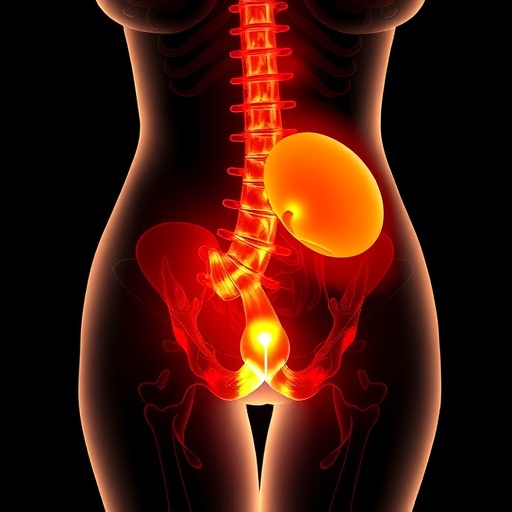
Endometriosis is increasingly understood as a whole-body condition rather than a disorder confined to the pelvis. A new study led by the Sant Pau Research Institute (IR Sant Pau) and published in Human Reproduction analyzed symptom data from more than 22,000 women, revealing distinct patterns that help explain why the disease looks so different from one person to another.
The research challenges older classification approaches that rely mainly on lesion location and surgical findings. Those systems can miss how endometriosis actually unfolds in daily life, and they do not fully account for the wide variability of symptoms. At the same time, definitive diagnosis is difficult because it often requires invasive procedures and comes with delays, risks, and recovery time.
To better capture that heterogeneity, investigators drew on the All of Us Research Program, one of the largest population-based biobanks. They examined 19 symptoms and comorbidities frequently linked to endometriosis, including chronic pelvic pain, gastrointestinal complaints, migraine, anxiety and depression, chronic fatigue, infertility, and irritable bowel syndrome.
Using clustering methods, the team identified four major symptom profiles among premenopausal participants, considered most representative of active disease. One profile, present in 18.8% of women, showed a high disease burden combining severe pain with gastrointestinal and mood disturbances.
A second, largest cluster included 30% of women with moderate symptoms, concentrated around pain and emotional health. A third pattern accounted for 29.6% of participants and was dominated by psychological and neurological features such as anxiety, depression, and migraine.
Finally, 20.6% of women fell into a lower-burden group. Notably, the distribution differed across analyses, underscoring that endometriosis during reproductive years is rarely “silent,” and that many patients exhibit recognizable constellations rather than isolated complaints.
The study also examined cases with coexisting adenomyosis. Women with both conditions showed significantly more severe symptom profiles: 57% were concentrated in the highest-burden groups, while the lowest-burden profile was nearly absent.
Across all profiles, quality of life varied in clear and measurable ways. Women in the highest-burden clusters reported worse physical and mental health, greater constraints in daily activities, and reduced participation in social life, reinforcing that endometriosis can affect far more than pelvic pain.
Cite Scienmag News
Courtney Benton. (July 16, 2026). Endometriosis Shows Symptom Patterns Extending Far Beyond Pain. Scienmag. https://scienmag.com/endometriosis-shows-symptom-patterns-extending-far-beyond-pain/
Courtney Benton. "Endometriosis Shows Symptom Patterns Extending Far Beyond Pain." Scienmag, 16 July 2026, https://scienmag.com/endometriosis-shows-symptom-patterns-extending-far-beyond-pain/. Accessed 3 September 2026.
Courtney Benton. "Endometriosis Shows Symptom Patterns Extending Far Beyond Pain." Scienmag. July 16, 2026. https://scienmag.com/endometriosis-shows-symptom-patterns-extending-far-beyond-pain/


