


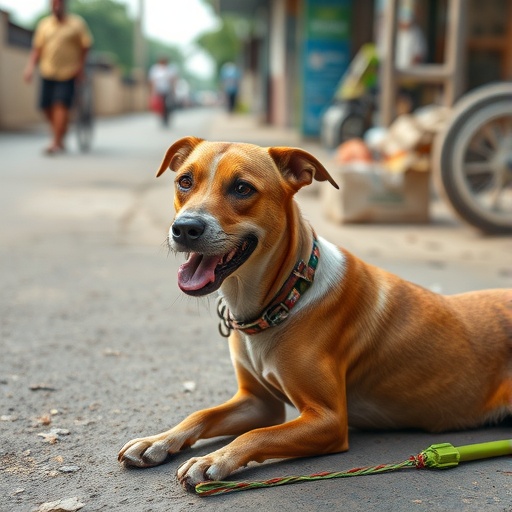
In many Global South cities, “coexistence” is no longer an abstract ethics debate—it is a lived, messy interaction between people, animals, and rapidly changing urban infrastructures. A new perspective from Nature Cities argues that conflicts with street dogs in South Asia cannot be solved with isolated interventions that ignore the urban systems feeding them.
India’s street dog crisis illustrates the problem: dogs scavenge, guard, breed, disperse, and die across streets shaped by high traffic, unmanaged waste, ritual feeding, and uneven human care. These animals persist not simply because they are “unwanted,” but because cities inadvertently supply them with reliable food and shelter opportunities.
The article highlights a deeper paradox. Compassionate community behaviors—such as leaving food or providing informal support—can unintentionally reinforce the dog population when waste-related food sources and subsidized feeding continue. At the same time, new pressures from dense development and public health risks can amplify conflict, turning everyday encounters into recurring disputes.
Crucially, the author contends that Indian courts and policymakers have often focused on visible outcomes rather than root drivers. Sterilization campaigns, shelters, fencing, or removal efforts can fail to deliver lasting relief when the city landscape still functions as an ongoing feeding network.
This feedback loop matters epidemiologically. When food availability is sustained, population turnover does not reduce contact rates in a meaningful way. Instead, dogs and people remain locked in a cycle of scavenging, repeated breeding opportunities, and recurrent human–animal contact.
The proposed shift is from reactive management to systems-based urban planning. The core recommendation: make “compassion” accountable to public health, animal well-being, and urban ecology—treating street dogs as part of complex multispecies communities rather than removable nuisances.
In practice, the article calls for managing food subsidies across the urban environment, aligning sanitation, waste governance, and feeding practices with responsibility measures. Without this, well-intentioned policies can become patchwork solutions that merely change where conflict occurs.
Ultimately, the piece frames tropical urban futures as multispecies cohabitation challenges. If cities want fewer crises, they must redesign the shared spaces that currently grant dogs food access—so coexistence becomes structured, not accidental.
Cite Scienmag News
William Thompson. (July 15, 2026). Indian Street Dog Crisis Raises New Questions on Tropical Urban Multispecies Coexistence. Scienmag. https://scienmag.com/indian-street-dog-crisis-raises-new-questions-on-tropical-urban-multispecies-coexistence/
William Thompson. "Indian Street Dog Crisis Raises New Questions on Tropical Urban Multispecies Coexistence." Scienmag, 15 July 2026, https://scienmag.com/indian-street-dog-crisis-raises-new-questions-on-tropical-urban-multispecies-coexistence/. Accessed 4 September 2026.
William Thompson. "Indian Street Dog Crisis Raises New Questions on Tropical Urban Multispecies Coexistence." Scienmag. July 15, 2026. https://scienmag.com/indian-street-dog-crisis-raises-new-questions-on-tropical-urban-multispecies-coexistence/


