


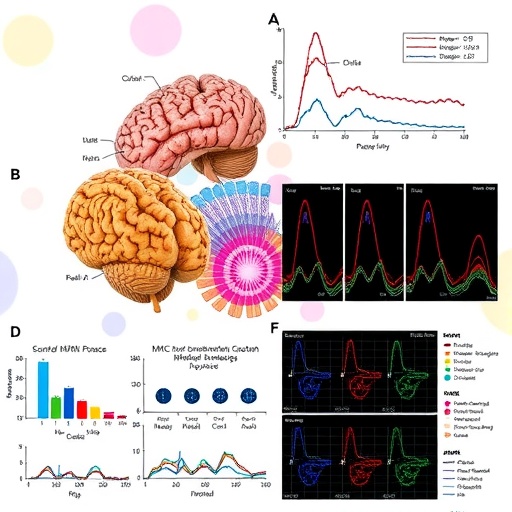
A new multi-omics study, published in Translational Psychiatry, links immune signaling in the brain to widespread metabolic disruptions across major brain disorders. The work, led by Xu, Fan, Wu and colleagues, uses integrative analyses to pinpoint molecular patterns that may cut across diagnostic categories rather than remaining confined to a single condition.
Researchers focused on major histocompatibility complex class II (MHC class II), a key immune pathway best known for antigen presentation. Their results suggest that heightened MHC class II–related activity accompanies neuroinflammatory processes, implying that adaptive immune mechanisms could play a central role in shaping brain pathology.
Beyond the brain-specific signals, the team reports that systemic metabolic dysregulation travels alongside neuroinflammation. In other words, immune activation and metabolic imbalance appear coupled, consistent with a model in which inflammatory stress and altered energy regulation reinforce each other over time.
To reach these conclusions, the authors integrated multiple layers of molecular data—spanning immune-related markers and metabolic signatures—then tested whether shared biological drivers could explain variation across different disorders. The analytic strategy emphasizes transdiagnostic relevance, aiming to identify mechanisms that recur across heterogeneous clinical presentations.
The study’s findings support the idea that MHC class II–mediated neuroinflammation is not merely a downstream consequence of disease, but may function as a driver. In parallel, altered systemic metabolism may contribute to vulnerability by influencing inflammatory tone, cellular energetics, and broader physiological regulation.
Such a combined immune–metabolic framework aligns with growing evidence that the brain is highly responsive to body-wide biological states, including peripheral immune activity and nutrient or metabolite availability. It also suggests that future biomarker and therapeutic approaches may benefit from targeting these interconnected systems.
While the research highlights compelling mechanistic signals, it also underscores the need for further validation in independent cohorts and longitudinal designs. Establishing whether immune–metabolic coupling is causal—and whether it predicts clinical course—will be crucial for translating these insights into interventions.
Still, for viral science news readers, the headline is clear: a single immune presentation pathway, coupled to systemic metabolic disruption, may help unify the biology underlying multiple major brain disorders—offering a potential map for next-generation, cross-diagnostic strategies.
Cite Scienmag News
Cassandra Pierce. (July 15, 2026). Multi-omics identifies MHC II neuroinflammation and metabolic dysregulation across brain disorders. Scienmag. https://scienmag.com/multi-omics-identifies-mhc-ii-neuroinflammation-and-metabolic-dysregulation-across-brain-disorders/
Cassandra Pierce. "Multi-omics identifies MHC II neuroinflammation and metabolic dysregulation across brain disorders." Scienmag, 15 July 2026, https://scienmag.com/multi-omics-identifies-mhc-ii-neuroinflammation-and-metabolic-dysregulation-across-brain-disorders/. Accessed 4 September 2026.
Cassandra Pierce. "Multi-omics identifies MHC II neuroinflammation and metabolic dysregulation across brain disorders." Scienmag. July 15, 2026. https://scienmag.com/multi-omics-identifies-mhc-ii-neuroinflammation-and-metabolic-dysregulation-across-brain-disorders/


