


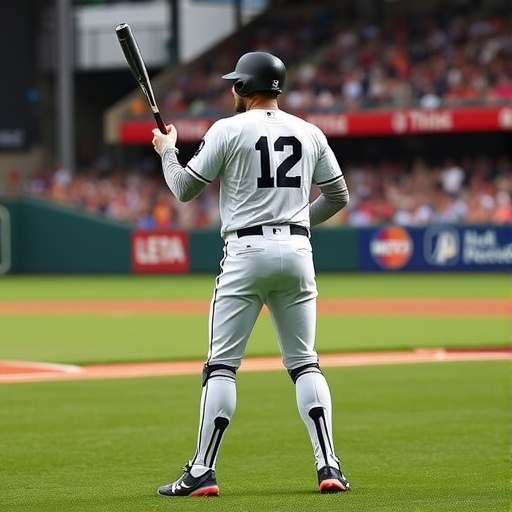
In 2024, the Korea Baseball Organization (KBO) implemented a groundbreaking innovation in officiating—a fully automated ball-and-strike calling system known as the Automated Ball-Strike (ABS) System. This technology relies on advanced cameras and pitch-tracking algorithms to objectively determine whether pitches fall within the strike zone, replacing the subjective human judgment traditionally exercised by home plate umpires. A recent study conducted by researchers at the University of Michigan has revealed that this transition diminishes favorability towards star batters, exposing a form of bias previously embedded in the human officiating process.
Before the ABS system, umpires made ball-and-strike decisions based on visual assessment, a method inherently susceptible to cognitive biases. The Michigan study compared player performance data from the last human-umpired season (2023) to the inaugural ABS season (2024), focusing on the dichotomy between high-status and lower-status batters. Results demonstrated that famous hitters experienced a notable decline in key plate-discipline statistics—manifesting as nearly three additional strikeouts and two fewer walks per 100 at bats—while lesser-known players saw comparatively stable performance metrics.
These shifts signal that prior to automation, umpires may have unconsciously granted star batters the “benefit of the doubt” on borderline pitches, subtly skewing the fairness of calls. Conversely, the data showed no significant decline in performance among high-status pitchers, which researchers suggest may be attributable to either fewer opportunities to reveal bias effects or greater inherent variability in pitching outcomes.
The implications of this study transcend baseball. It underscores a broader sociological phenomenon known as the Matthew Effect, where initial advantages—such as fame or high status—tend to compound over time, often aided by unconscious favoritism in evaluative contexts. By introducing objective, technology-driven assessments, institutions can counteract such biases, creating more equitable conditions in arenas as varied as hiring, promotions, and artistic auditions.
Major League Baseball has begun integrating a hybrid Automated Ball-Strike Challenge System, though it has yet to adopt fully automated calls. In contrast, the KBO’s full embrace of ABS has been met with general acceptance, illustrating different cultural receptions to automation in sports officiating. Richard Paulsen, assistant professor of kinesiology and senior author of the study, cautions that while objective calls on balls and strikes can be effectively automated, human judgment remains indispensable for subjective rulings—such as fouls in basketball or pass interference in football—where nuance and context play critical roles.
Ultimately, this research not only challenges the notion of infallible human officiating but also offers a compelling argument for the integration of technology to reduce favoritism and bias, potentially revolutionizing fairness in competitive environments worldwide.
Cite Scienmag News
Denise Maddox. (July 13, 2026). Robot umpires reduce bias against star baseball hitters. Scienmag. https://scienmag.com/robot-umpires-reduce-bias-against-star-baseball-hitters/
Denise Maddox. "Robot umpires reduce bias against star baseball hitters." Scienmag, 13 July 2026, https://scienmag.com/robot-umpires-reduce-bias-against-star-baseball-hitters/. Accessed 3 September 2026.
Denise Maddox. "Robot umpires reduce bias against star baseball hitters." Scienmag. July 13, 2026. https://scienmag.com/robot-umpires-reduce-bias-against-star-baseball-hitters/


