


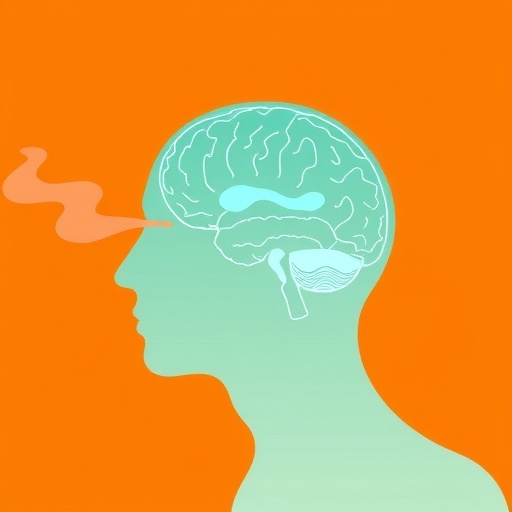
A groundbreaking meta-analysis emerging from the University of East Anglia has unveiled a profound truth about the human sensory experience: the loss of smell and taste is not merely a minor nuisance but a condition that can severely debilitate quality of life, rivaling chronic illnesses such as diabetes, stroke, Parkinson’s disease, and kidney failure. This new research challenges longstanding assumptions within both medicine and society that have historically dismissed olfactory and gustatory disorders as trivial or temporary setbacks.
The research team, led by Professor Carl Philpott from UEA’s Norwich Medical School, conducted an extensive review encompassing decades of medical literature. Their analysis drew comparisons between quality-of-life metrics for individuals experiencing smell and taste disorders and those living with a spectrum of recognized, life-limiting chronic diseases including heart failure, asthma, and cardiovascular conditions. The results were startling. Patients suffering from anosmia—the complete loss of smell—or ageusia—the loss of taste—consistently reported emotional, psychological, and social burdens that matched or exceeded those documented in the comparison groups.
Olfactory and gustatory systems are complex sensory networks that play fundamental roles beyond mere flavor identification. Smell, in particular, is intricately tied to the brain’s limbic system, which governs emotion and memory. The deprivation of these senses triggers a cascade of adverse effects. Patients frequently describe a profound loss of pleasure in everyday activities like eating, which shifts from an enjoyable ritual to a mundane, mechanical necessity. The decreased sensory input not only diminishes appetite but also disrupts social interactions centered around food and shared experiences, fracturing bonds that nourish mental health and well-being.
In addition to the psychological toll, safety concerns loom large. The inability to detect hazardous environmental cues such as smoke, gas leaks, or spoiled food presents tangible risks, compounding the anxiety already experienced by sufferers. The research highlights the emergent phenomenon of parosmia—distorted smell perception—that became more widely recognized during the COVID-19 pandemic, when millions were afflicted with transient or long-lasting sensory dysfunctions. Parosmia turns normal odors repugnant and nauseating, exacerbating the isolation and distress experienced by patients.
Professor Philpott emphasized the emotional numbness and social withdrawal that often accompany these sensory deficits. High rates of clinically significant depression and anxiety emerge repeatedly from patient surveys, underscoring the urgent need for medical recognition. However, despite the severe impact documented by this meta-analysis, healthcare systems have generally lagged in providing specialized services or targeted treatments. The prevailing medical attitude often minimizes these conditions as fleeting or inconsequential, a stance that fails the millions living with persistent deficits.
The metabolic consequences of sensory loss are intricate. With flavor perception reliant largely on olfactory cues, compromised smell leads to a blunting of taste that patients describe as metallic, bland, or outright aversive. This disrupts consumption patterns variably; some individuals experience involuntary weight loss due to diminished appetite, while others pursue hyper-palatable foods in attempts to recapture sensory satisfaction, leading to weight gain and metabolic imbalance. The disordered regulation of eating exacerbates health problems and contributes to the psychological distress associated with sensory loss.
This research serves as a clarion call for increased investment in olfactory and gustatory medicine. The creation of dedicated specialist clinics, expanded research programs to explore underlying pathophysiology, and the development of innovative therapeutic interventions must become priorities. Sensory disorders are not mere inconveniences but complex neurological maladies with cascading effects on mental health, social functioning, and general well-being. As such, greater awareness and medical infrastructure are essential.
The COVID-19 pandemic thrust anosmia and ageusia into global consciousness but also exposed the inadequacies of current medical responses. While some acquired chemosensory losses resolve, a significant subset endure chronic or permanent damage. This reality laid bare decades of underrecognition and underfunding in olfactory and gustatory research, revealing a troubling gap between patient suffering and clinical practice. The findings from this meta-analysis underscore the exigency with which the medical and scientific communities must respond.
Analyzing quality-of-life metrics across conditions reveals that patients with smell and taste disorders report impairments rivaling or exceeding those with traditionally severe chronic diseases. This equivalence in suffering calls for a recalibration of clinical guidelines and resource allocation. The redefinition of these sensory deficits as impactful, disabling diseases could catalyze policy shifts and improve clinical outcomes for affected individuals.
The intricacies of sensory neuroscience illuminate why smell and taste hold such power over human experience. Olfactory receptors in the nasal epithelium connect directly to brain regions involved in emotion and memory, such as the amygdala and hippocampus. This intimate neuroanatomical relationship explains the profound psychological consequences observed when these senses fail. Gustatory perception, too, is intertwined with multisensory integration pathways, making its loss deeply disruptive to the perception of the environment.
Going forward, multidisciplinary approaches integrating neurology, otolaryngology, psychology, and nutrition will be vital. As sensory disorders often provoke cascading effects—from altered nutrition to mental health crises—a holistic model of care is critical. Early diagnosis, patient education, and therapeutic innovation must align with a patient-centered paradigm that acknowledges the full scope of these disorders’ impact.
In sum, this comprehensive meta-analysis not only sheds light on the devastating quality-of-life burden posed by the loss of smell and taste, but it also demands urgent transformation in how these sensory disorders are perceived, researched, and managed within the global healthcare landscape. The scientific community stands at a pivotal moment to champion the invisible sufferers whose lives are irrevocably changed by the absence of these fundamental senses.
Cite Scienmag News
Cassandra Pierce. (June 16, 2026). Loss of Smell as Devastating as Parkinson’s and Stroke, New Study Reveals. Scienmag. https://scienmag.com/loss-of-smell-as-devastating-as-parkinsons-and-stroke-new-study-reveals/
Cassandra Pierce. "Loss of Smell as Devastating as Parkinson’s and Stroke, New Study Reveals." Scienmag, 16 June 2026, https://scienmag.com/loss-of-smell-as-devastating-as-parkinsons-and-stroke-new-study-reveals/. Accessed 3 September 2026.
Cassandra Pierce. "Loss of Smell as Devastating as Parkinson’s and Stroke, New Study Reveals." Scienmag. June 16, 2026. https://scienmag.com/loss-of-smell-as-devastating-as-parkinsons-and-stroke-new-study-reveals/


