


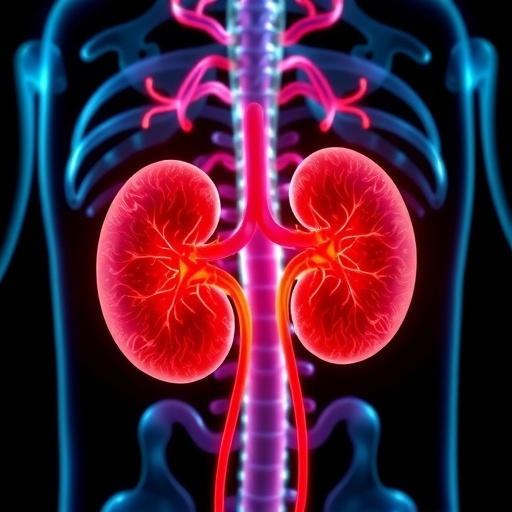
In a landmark advancement for renal cell carcinoma (RCC) treatment, the U.S. Food and Drug Administration (FDA) has granted approval for a novel adjuvant therapy combining pembrolizumab, a well-known immune checkpoint inhibitor, with belzutifan, a pioneering hypoxia-inducible factor 2-alpha (HIF-2α) inhibitor. This therapeutic regimen is indicated for adult patients diagnosed with clear cell renal cell carcinoma (ccRCC) who face intermediate-high or high risk of disease recurrence following surgical nephrectomy, with or without metastatic lesion removal. This approval marks a significant stride in enhancing the long-term management and survival outcomes for patients confronting the aggressive nature of ccRCC.
The approval is grounded in robust data from the phase 3 LITESPARK-022 clinical trial, which was led by Dr. Toni Choueiri, director of the Lank Center for Genitourinary Oncology at the Dana-Farber Cancer Institute. This thorough investigation enrolled 1,841 patients who underwent nephrectomy and exhibited no residual disease but exhibited a high estimated risk for relapse. These participants were randomly assigned to receive either the combination therapy of pembrolizumab plus belzutifan or pembrolizumab paired with a placebo, enabling researchers to isolate the added benefit of HIF-2α inhibition in this setting.
This development is significant because while surgery remains the cornerstone of curative intent in ccRCC, a considerable proportion of patients still experience relapse, often progressing to metastatic disease with dire prognostic implications. As Dr. Choueiri elucidates, “This combination therapy offers an enhanced strategy compared with pembrolizumab alone, aiming to reduce the risk of recurrence and improve long-term cancer control.” By integrating immunotherapy with targeted biochemical disruption of tumor-promoting pathways, this dual approach addresses cancer’s multifaceted biology more comprehensively.
Belzutifan’s mechanism of action centers on its targeted inhibition of HIF-2α, a transcription factor aberrantly stabilized and overexpressed in most ccRCC tumors due to underlying von Hippel-Lindau (VHL) gene mutations. HIF-2α fosters tumor progression by promoting angiogenesis, metabolic reprogramming, and immune evasion within the hypoxic tumor microenvironment. The compound’s discovery and development were profoundly influenced by the Nobel Prize-winning work of Dana-Farber’s Dr. William G. Kaelin Jr., underscoring the therapeutic translation of foundational molecular insights into clinical breakthroughs.
The LITESPARK-022 trial results after a median follow-up of 28.4 months reveal a compelling clinical benefit: patients receiving the combination therapy exhibited a 28% reduction in the risk of recurrence, metastasis, or death compared to those on the control arm. At the two-year mark, roughly 81% of patients treated with pembrolizumab plus belzutifan remained free from cancer, compared with 74% of those treated with pembrolizumab alone. These findings signify a meaningful improvement in recurrence-free survival, a critical endpoint for patients who have undergone curative surgery.
This therapeutic regimen also benefits from the recent FDA approval of a subcutaneous formulation combining pembrolizumab plus berahyaluronidase alfa-pmph with belzutifan, potentially enhancing patient convenience and adherence. Side effects observed were consistent with known safety profiles for each agent, with no unexpected toxicities, affirming the regimen’s tolerability in this adjuvant context.
Renal cell carcinoma is the most prevalent form of kidney cancer, constituting approximately 90% of all kidney cancer diagnoses worldwide. Within RCC, clear cell subtype predominates, representing about 75% of cases. Despite surgical intervention, about one-third of patients will experience disease recurrence within five years, frequently with systemic spread that complicates treatment and reduces survival rates. Globally, kidney cancer incidence remains substantial, with an estimated 435,000 new cases and over 150,000 deaths reported annually, underscoring the urgent need for improved adjuvant therapies.
The innovation of combining immunotherapy with HIF-2α inhibition is unprecedented and reflects a deeper understanding of ccRCC’s molecular pathology. Pembrolizumab reinvigorates antitumor immune responses by blocking programmed cell death protein 1 (PD-1), thereby preventing tumor-induced immune suppression. Meanwhile, belzutifan targets the tumor’s hypoxic signaling pathways critical for survival and proliferation, representing a complementary mechanism that potentially prevents immune escape and drug resistance.
Dana-Farber Cancer Institute’s role in advancing this paradigm is emblematic of its dual mission combining patient care and scientific inquiry. As a Comprehensive Cancer Center and a Harvard Medical School affiliate, Dana-Farber continues to spearhead clinical trials that translate laboratory discoveries—such as those elucidating hypoxia pathways—into tangible benefits for patients worldwide. The LITESPARK-022 trial epitomizes this translational effort, reflecting a seamless continuum from bench to bedside.
Looking forward, the incorporation of pembrolizumab-plus-belzutifan as an adjuvant standard-of-care option may reshape therapeutic algorithms for patients deemed high risk, facilitating personalized medicine strategies tailored to tumor biology and recurrence risk. Ongoing research may explore combination regimens in other disease stages, potential biomarkers predicting response, and long-term survival outcomes beyond the initial two-year follow-up.
This approval heralds a new era in ccRCC treatment, where integration of immune checkpoint blockade with precise molecular targeting holds the promise of sustained remission and improved quality of life. For patients confronting a malignancy historically marked by limited post-surgical interventions, this advancement offers renewed hope and a path toward durable cancer control in a disease often characterized by its silent resilience and clinical complexity.
The scientific community and clinicians alike will closely monitor real-world outcomes as this regimen enters broader clinical practice, aiming to optimize dosing, manage adverse effects, and refine patient selection. These efforts will be critical to fully realize the potential of this innovative therapy and to continue advancing the standard of care for clear cell renal cell carcinoma globally.
News Publication Date: 2026
Web References:
- Dana-Farber News Release on LITESPARK-022
- 2026 ASCO Genitourinary Cancers Symposium Abstract
- William G. Kaelin Jr. Nobel Prize
References:
- Epidemiology of Kidney Cancer, PMC Article – https://pmc.ncbi.nlm.nih.gov/articles/PMC11608423/
- Kidney Cancer Facts, Kidney Cancer Association – https://www.kidneycancer.org/essentials/fast-facts/
Cite Scienmag News
Nathaniel Bowman. (June 12, 2026). Dana-Farber Study Backs FDA Approval of Pembrolizumab-Belzutifan Combo for High-Risk Clear Cell Kidney Cancer Post-Surgery. Scienmag. https://scienmag.com/dana-farber-study-backs-fda-approval-of-pembrolizumab-belzutifan-combo-for-high-risk-clear-cell-kidney-cancer-post-surgery/
Nathaniel Bowman. "Dana-Farber Study Backs FDA Approval of Pembrolizumab-Belzutifan Combo for High-Risk Clear Cell Kidney Cancer Post-Surgery." Scienmag, 12 June 2026, https://scienmag.com/dana-farber-study-backs-fda-approval-of-pembrolizumab-belzutifan-combo-for-high-risk-clear-cell-kidney-cancer-post-surgery/. Accessed 4 September 2026.
Nathaniel Bowman. "Dana-Farber Study Backs FDA Approval of Pembrolizumab-Belzutifan Combo for High-Risk Clear Cell Kidney Cancer Post-Surgery." Scienmag. June 12, 2026. https://scienmag.com/dana-farber-study-backs-fda-approval-of-pembrolizumab-belzutifan-combo-for-high-risk-clear-cell-kidney-cancer-post-surgery/


