


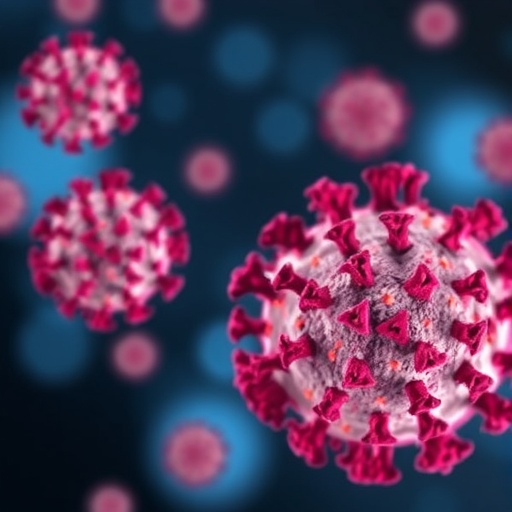
In the ongoing battle against the aftermath of the COVID-19 pandemic, one of the most perplexing challenges has been the enigmatic condition known as Long COVID (LC). While the acute infection phase of SARS-CoV-2 has seen a decline in case numbers globally, an unsettling subset of patients continue to grapple with persistent and debilitating symptoms. Fatigue, headaches, disrupted sleep, breathing difficulties, and cognitive impairments collectively termed “brain fog” haunt millions, casting a long shadow over recovery. The medical community’s quest for objective biomarkers to measure disease severity, predict patient outcomes, and tailor effective treatments has been hampered by the largely subjective nature of these symptoms.
Researchers at Okayama University in Japan, spearheaded by Professor Fumio Otsuka alongside Assistant Professor Marina Kawaguchi and Dr. Yasue Sakurada, have embarked on a critical investigative journey to elucidate the role of SARS-CoV-2 antibody titers in chronic post-infection symptoms. Their focus zeroed in on the Omicron variant era, analyzing a cohort of 275 patients presenting with Long COVID at a specialized outpatient clinic between mid-2023 and late 2024. The team’s groundbreaking findings, published in the British Journal of Biomedical Science, offer promising insights into the potential clinical utility of antibody profiling as an informative and actionable tool in LC management.
Central to this research were two antibody classes targeting distinct viral components: the spike (S) protein, pivotal for viral entry into host cells, and the nucleocapsid (N) protein, encapsulating the viral RNA. The investigators measured blood concentrations of these antibodies and correlated them with vaccination status, disease severity during acute infection, detailed symptomatology, comprehensive laboratory markers, and quality-of-life metrics. The results revealed a robust association between S-antibody titers and the number of vaccine doses received, reflecting their induction predominantly via immunization.
Conversely, N-antibody levels aligned closely with infection-related parameters, notably the severity of the initial viral assault and the duration elapsed since the infectious episode. Importantly, in individuals who remained unvaccinated, N-antibody titers demonstrated a consistent decline, diminishing at an estimated rate of 0.34% daily post-infection. This natural waning underscores N-antibodies as temporal indicators of prior viral exposure. Intriguingly, female patients exhibited higher N-antibody levels compared to their male counterparts, hinting at potential sex-based immunological variations.
The interaction between antibody titers and cognitive sequelae emerged as a particularly compelling facet of the study. Patients reporting memory disturbances—a frequent hallmark of cognitive dysfunction in Long COVID—displayed significantly lower S-antibody levels relative to those without such impairments. Additionally, elevated S-antibody concentrations were positively linked with enhanced self-perceived quality of life, suggesting a protective or modulatory role within the neurocognitive domain. While antibody profiles alone were insufficient to reliably predict cognitive deficits, these observations intimate that diminishing S-antibodies may foreshadow an increased neurological risk burden.
Prof. Otsuka emphasized the clinical implications, noting the scarcity of objective biomarkers in Long COVID complicates patient assessments and therapeutic decisions. The measurable viral antibody titers could bridge this gap by reflecting patients’ infection histories and immune landscapes during the Omicron variant phase. Such quantifiable metrics could augment clinicians’ ability to identify individuals at heightened risk for protracted symptoms and tailor personalized interventions accordingly.
Further correlations emerged between N-antibody concentrations and key immune parameters, including lymphocyte counts and immunoglobulin levels. These associations reinforce the conceptualization of N-antibodies as biomarkers of active or recent immune engagement following SARS-CoV-2 infection. This multidimensional understanding may empower healthcare providers to better interpret serological data in situations where acute infection episodes were undocumented or indistinct.
Looking forward, the research team envisions integrating viral antibody titers with comprehensive clinical symptom profiles and additional laboratory investigations to refine the diagnostic accuracy and therapeutic guidance for Long COVID patients. This integrated approach could unravel the complex interplay between viral persistence, immune dysregulation, and symptom manifestation that typifies this multifaceted syndrome.
Beyond clinical utility, these findings shed light on the dynamic immunological processes underpinning long-term COVID effects in the vaccine-adapted Omicron era. They also open avenues for targeted biomarker-driven research, aspirationed to pioneer predictive models and innovative treatment frameworks that mitigate the burden of post-COVID morbidity.
In summary, the study offers compelling evidence that SARS-CoV-2 antibody profiling transcends a mere retrospective marker of infection, positioning itself as a potential cornerstone in the objective assessment, prognostication, and management of Long COVID. By delineating the nuanced relationships between antibody titers, symptomatology, and quality-of-life outcomes, this research paves the way towards personalized medicine strategies for a condition that has thus far defied conventional evaluation and treatment paradigms.
News Publication Date: 22-Apr-2026
Web References:
doi.org/10.3389/bjbs.2026.16255
References:
Otsuka F., Kawaguchi M., Sakurada Y., British Journal of Biomedical Science, Volume 83, 2026.
Cite Scienmag News
Ophelia Keating. (June 12, 2026). Antibody Insights Offer New Hope for Enhancing Long COVID Care and Prognosis. Scienmag. https://scienmag.com/antibody-insights-offer-new-hope-for-enhancing-long-covid-care-and-prognosis/
Ophelia Keating. "Antibody Insights Offer New Hope for Enhancing Long COVID Care and Prognosis." Scienmag, 12 June 2026, https://scienmag.com/antibody-insights-offer-new-hope-for-enhancing-long-covid-care-and-prognosis/. Accessed 3 September 2026.
Ophelia Keating. "Antibody Insights Offer New Hope for Enhancing Long COVID Care and Prognosis." Scienmag. June 12, 2026. https://scienmag.com/antibody-insights-offer-new-hope-for-enhancing-long-covid-care-and-prognosis/


