


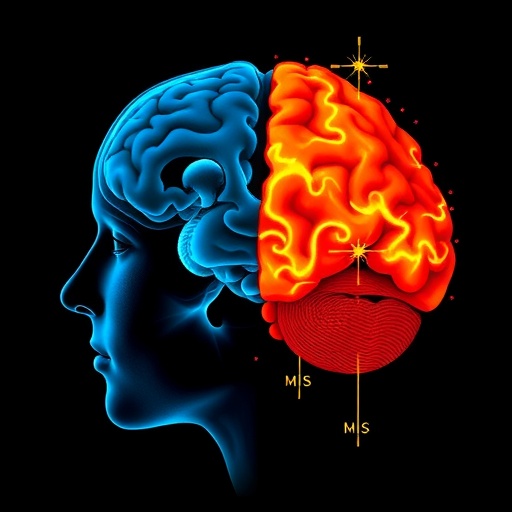
A groundbreaking international study spearheaded by the Istituto Italiano di Tecnologia (IIT) in Rovereto, Italy, in conjunction with the Child Mind Institute in New York, has unveiled compelling evidence for the existence of at least two distinct autism subtypes defined by unique brain connectivity patterns. This landmark research combines advanced functional magnetic resonance imaging (fMRI) techniques with molecular neuroscience approaches to dissect the neurological diversity underlying autism spectrum disorder (ASD). Published in the prestigious journal Nature Neuroscience, these findings pave the way for the development of personalized diagnostic and therapeutic strategies grounded in biological markers rather than solely behavioral assessments.
For decades, understanding the heterogeneity within autism has challenged scientists and clinicians alike, as the spectrum encompasses a wide range of neurodevelopmental manifestations with variable severity and symptom profiles. By leveraging high-resolution brain imaging and cross-species modeling, the team, led by Dr. Alessandro Gozzi of IIT and Dr. Adriana Di Martino of the Child Mind Institute, has successfully identified two robust autism subtypes. These are characterized by either hyperconnectivity, where excessive communication occurs between distinct brain regions, or hypoconnectivity, marked by diminished interregional signaling. Each subtype correlates to distinct molecular pathways, illuminating the complex biology that shapes autism phenotypes.
Central to this study was the integration of human neuroimaging data from over 940 individuals diagnosed with autism, supplemented by more than 1,000 neurotypical controls, with comprehensive analyses of 20 genetically distinct mouse models of ASD. This cross-species approach allowed the researchers to decode the functional connectivity signatures observable via fMRI and trace them back to fundamental molecular mechanisms. Intriguingly, the hypoconnectivity subtype was predominantly linked to disruptions in synaptic pathways—reflecting alterations in neuronal communication at the cellular level—while the hyperconnectivity subtype was associated with immune-related biological processes, suggesting neuroimmune interactions as a key driver.
Prior to this work, characterizing autism subtypes relied heavily on behavioral phenotyping, which often failed to capture the biological diversity driving these conditions. The current research transcends this limitation by pinpointing reproducible connectivity patterns connected to specific genetic and immune signatures. This mechanistic insight was achieved by correlating gene expression profiles with fMRI connectivity anomalies in mice, then identifying analogous patterns in human participants. Such a translational methodology offers a “biological Rosetta Stone,” as described by Dr. Di Martino, bridging experimental neurobiology and clinical neuroscience.
Further validation came from the reproducibility of these connectivity subtypes across multiple independent datasets sourced from the Autism Brain Imaging Data Exchange (ABIDE), a robust consortium that aggregates brain scans from research centers worldwide. The consistent detection of hypo- and hyperconnectivity patterns across these diverse cohorts underscores the biological validity of these subtypes and their relevance to broader autism populations. It also highlights the promise of resting-state functional connectivity as a biomarker for dissecting the autism spectrum.
Significantly, the research elucidates the functional brain architecture that distinguishes these subtypes. The hypoconnected subgroup, enriched for synaptic gene expression, exhibits attenuated communication between critical neural circuits, which may underlie some of the cognitive and social difficulties observed. Conversely, the hyperconnected cohort, characterized by heightened immune gene activity, shows amplified neural connectivity that may correspond with increased autism severity as measured by standardized clinical scales. This delineation suggests that immune dysregulation is not merely a bystander but an active participant in shaping neural networks in ASD.
Importantly, the findings articulate that behavioral assessments currently employed in clinical settings inadequately capture the nuanced neurobiological differences manifested in these subtypes. Brain-based biological markers, as evidenced here, provide an orthogonal avenue to more accurately classify autism heterogeneity, which may lead to more targeted interventions. While the two identified subtypes encapsulate approximately 25% of the studied autistic population, the researchers caution that the full spectrum likely harbors additional subtypes awaiting discovery as analytical tools and datasets expand.
Technically, the investigators employed advanced fMRI analytic pipelines capable of capturing whole-brain resting-state connectivity, integrated with transcriptomic data to annotate each brain region’s gene expression profile. Mouse models carrying various autism-associated genetic modifications allowed the dissection of causative pathways, identifying synaptic and immune molecular cascades underlying connectivity abnormalities. This integrative approach represents a paradigm shift in neurodevelopmental research, moving beyond symptom-based classifications toward mechanistic understanding.
This pioneering work has been made possible by extensive collaboration and funding from entities such as the Simons Foundation Autism Research Initiative, the European Research Council via projects DISCONN and BRAINAMICS, the Brain and Behavior Foundation, Fondazione Telethon, and the US National Institute of Mental Health. The alignment of cutting-edge neuroimaging, molecular genetics, and computational neuroscience exemplifies the future of precision psychiatry, where patient stratification is informed by biology rather than behavioral observation alone.
In sum, this study marks a critical advancement in autism research by establishing direct links between brain connectivity subtypes and their molecular underpinnings. By systematically mapping neural circuits to genetic and immune system pathways across species, the researchers offer unprecedented insight into the biological architecture of autism. These findings are set to revolutionize diagnostic frameworks and therapeutic approaches, accelerating the development of personalized medicine in ASD and similar neurodevelopmental conditions.
The full research article, titled “Autism subtypes identified using cross-species functional connectivity analyses,” is accessible through Nature Neuroscience and offers comprehensive details on methodology, data analysis, and implications for future research. This research not only broadens our comprehension of autism’s biological diversity but also opens new avenues for targeted treatment, marking a hopeful trajectory for millions affected globally.
Cite Scienmag News
Cassandra Pierce. (May 29, 2026). Brain Scans Uncover Two Distinct Autism Subtypes with Unique Biological Signatures. Scienmag. https://scienmag.com/brain-scans-uncover-two-distinct-autism-subtypes-with-unique-biological-signatures/
Cassandra Pierce. "Brain Scans Uncover Two Distinct Autism Subtypes with Unique Biological Signatures." Scienmag, 29 May 2026, https://scienmag.com/brain-scans-uncover-two-distinct-autism-subtypes-with-unique-biological-signatures/. Accessed 4 September 2026.
Cassandra Pierce. "Brain Scans Uncover Two Distinct Autism Subtypes with Unique Biological Signatures." Scienmag. May 29, 2026. https://scienmag.com/brain-scans-uncover-two-distinct-autism-subtypes-with-unique-biological-signatures/


