


In a groundbreaking advancement that could revolutionize the field of wound care, researchers have unveiled a novel, cell-based cytokine patch designed to accelerate healing by directly modulating the localized immune environment. Chronic wounds, which afflict millions globally, are notoriously difficult to treat due to the complex disruption of biological pathways essential to tissue repair. Traditional therapies often fall short as they primarily target physical wound parameters such as moisture control and pressure alleviation without addressing the underlying molecular dysregulation. This innovative patch offers a new paradigm, engineered to deliver therapeutic cytokines in situ, thereby restoring the natural cellular programs pivotal for tissue regeneration.
The heart of this technology is a meticulously crafted polydimethylsiloxane (PDMS) scaffold, a biocompatible silicone-based polymer renowned for its flexibility and stability in biomedical applications. Embedded within this structure are alginate-encapsulated human retinal epithelial cells, bioengineered to secrete specific cytokines that are key regulators of inflammation and tissue remodeling. The encapsulation matrix provides these cells with a supportive microenvironment, ensuring sustained viability and continuous release of native cytokines. This design effectively bridges the gap between cell therapy and controlled drug delivery, harnessing living cells as miniature biological factories producing healing factors precisely where they are needed most.
Central to the therapeutic efficacy of the patch is the controlled delivery of three crucial cytokines: interleukin 10 (IL-10), interleukin 12 (IL-12), and transforming growth factor-beta (TGF-β). Each plays a distinct yet complementary role in orchestrating the wound healing cascade. IL-10 is widely recognized for its anti-inflammatory properties, tempering excessive immune responses that can impede recovery. IL-12, conversely, is a potent immunomodulator that enhances pathogen clearance, while TGF-β is instrumental in promoting extracellular matrix deposition and remodeling, critical steps in tissue regeneration. The localized secretion of these cytokines creates a finely tuned microenvironment conducive to efficient repair and regeneration.
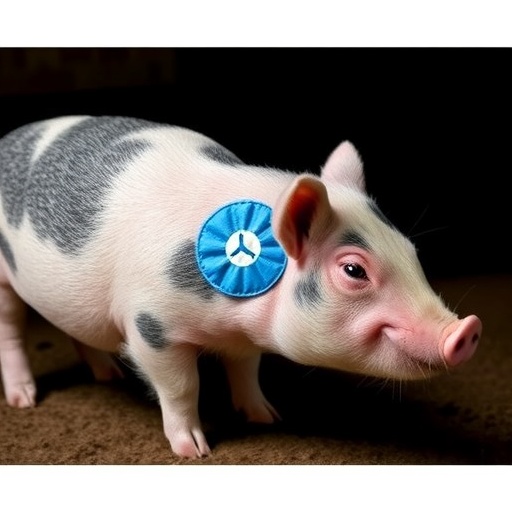
Experimental validation of the patch demonstrated its remarkable capacity to expedite healing in both rodent and porcine models of full-thickness skin wounds, which faithfully mimic the pathophysiological conditions encountered in humans. Notably, the treated wounds exhibited accelerated closure rates, reduced inflammation, and improved tissue architecture compared with controls. The pigs, serving as an intermediate translational model due to the similarity of their skin to human skin, affirmed the patch’s therapeutic potential, further bolstering confidence in its applicability for clinical use.
Molecular analyses revealed that the use of the cytokine-secreting patch markedly altered gene expression profiles within the wound microenvironment. Genes related to skin development, epithelial differentiation, and collagen synthesis showed significant upregulation. This genomic reprogramming underscores the ability of the locally delivered cytokines to reactivate suppressed repair pathways, guiding the wound through the complex stages of hemostasis, inflammation, proliferation, and remodeling more effectively. These insights are critical because chronic wounds often stall in one or more of these phases, preventing proper restoration of the skin barrier.
One of the most compelling features of this cell-based system is its removability and localized effect. Unlike systemic delivery of cytokines, which can lead to off-target effects and toxicity, this patch maintains therapeutic doses within the wound bed and can be removed when healing is sufficient. This addresses a key limitation of many biologic treatments, enhancing safety and patient compliance. Furthermore, the modular design allows for customization of cytokine combinations tailored to specific wound types or patient needs, opening avenues for personalized regenerative medicine.
The implications of this technology extend beyond mere wound closure. Chronic wounds are a major source of morbidity, often leading to infections, amputations, and significant healthcare costs. By restoring the disrupted cellular communication that drives healing, this patch could alleviate the clinical burden associated with these non-healing wounds. Additionally, it offers a platform technology adaptable to other tissue injuries where localized immune modulation is beneficial, such as burns, diabetic ulcers, or even surgical recovery contexts.
The engineering ingenuity behind maintaining cell viability within the patch over several days also stands out. Retinal epithelial cells, traditionally not associated with skin repair, were selected likely due to their robust survival in encapsulated conditions and amenability to genetic modification. This underscores the interdisciplinary collaboration integrating cell biology, materials science, and biomedical engineering to achieve a functional therapeutic device. Ensuring a steady cytokine output over time avoids the peaks and troughs associated with bolus administration, thereby maintaining a controlled healing milieu.
In terms of scalability and clinical translation, the simplicity of the PDMS scaffold construction and alginate encapsulation is promising. Both materials have well-established safety profiles, and the ability to engineer cells ex vivo provides controllability and quality assurance. The transient nature of the patch’s engraftment also sidesteps regulatory challenges associated with permanent implants or genetically modified cell transplants, potentially expediting regulatory approval pathways.
Future directions of this research may include expanding the panel of secreted factors to encompass a broader spectrum of regenerative signals or integrating sensors that provide real-time feedback on wound status. Combining such smart systems with controlled cytokine delivery could usher in a new era of precision wound management, where treatment dynamically adapts to the healing progress. Additionally, coupling these patches with systemic interventions for underlying conditions like diabetes or vascular insufficiency could enhance overall outcomes for patients with complex wound etiology.
The social and economic impact of this technology could be profound. By dramatically reducing healing times and improving outcomes, it can improve quality of life, reduce hospital stays, and lower costs associated with chronic wound management. Furthermore, the technology’s adaptability might encourage adoption in resource-limited settings, particularly if manufacturing can be scaled affordably and patches are distributed as part of community health programs.
This innovative approach challenges the traditional paradigm in wound care, shifting the focus from passive physical management to active biological restoration. It exemplifies the growing trend of cell-based therapeutics that leverage the body’s endogenous repair mechanisms rather than relying solely on pharmacological or mechanical interventions. Such convergence of technology and biology heralds a future where chronic wounds can be healed faster, with less scarring, and with fewer complications.
Ultimately, the development of this cytokine-releasing cell patch reflects a broader movement in regenerative medicine: the quest to recreate the complex natural healing environment artificially. By harnessing genetically engineered cells as continuous sources of therapeutic agents, researchers demonstrate the potential to reset disrupted cellular milieus and jumpstart endogenous repair. The success in both murine and porcine models lays a robust foundation for clinical trials and eventual bedside application.
As the prevalence of chronic wounds continues to rise in aging populations and among individuals with diabetes and other comorbidities, such advances become not only desirable but essential. This study opens a promising chapter in the effort to end the cycle of stalled healing and recurrent infections, offering hope to millions of patients worldwide. The convergence of cell engineering, biomaterials, and immunomodulation encapsulated within this modest patch represents a beacon of innovation poised to transform wound care forever.
Cite Scienmag News
Ophelia Keating. (May 27, 2026). Cytokine Patch Boosts Wound Healing in Rodents, Pigs. Scienmag. https://scienmag.com/cytokine-patch-boosts-wound-healing-in-rodents-pigs/
Ophelia Keating. "Cytokine Patch Boosts Wound Healing in Rodents, Pigs." Scienmag, 27 May 2026, https://scienmag.com/cytokine-patch-boosts-wound-healing-in-rodents-pigs/. Accessed 5 September 2026.
Ophelia Keating. "Cytokine Patch Boosts Wound Healing in Rodents, Pigs." Scienmag. May 27, 2026. https://scienmag.com/cytokine-patch-boosts-wound-healing-in-rodents-pigs/


