


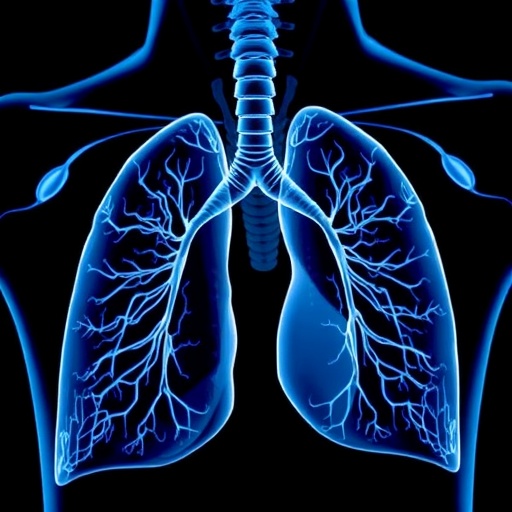
A groundbreaking clinical research study, spearheaded by the Alliance for Clinical Trials in Oncology, has opened its doors to investigate whether a novel, highly targeted form of radiation therapy can reduce the likelihood of lung cancer recurrence following surgical intervention. This trial, designated as Alliance A082402, seeks to address a critical gap in treatment for patients diagnosed with non-small cell lung cancer (NSCLC) who have undergone neoadjuvant chemotherapy and immunotherapy prior to surgery but still present residual cancerous cells within the mediastinal lymph nodes post-resection. This subset of patients represents a significant clinical challenge due to their elevated risk of relapse despite standard systemic therapies.
The rationale behind this trial emerges from the existing evidence affirming the efficacy of chemotherapy and immunotherapy administered either before or after surgical removal of lung tumors. However, the persistent presence of cancer cells in the lymph nodes after surgery indicates an incomplete eradication of the disease, portending a higher risk of local and distant recurrence. The investigators aim to rigorously evaluate whether an advanced radiation approach—known as involved-station, intensity-modulated post-operative radiation therapy, or I²-PORT—can complement systemic treatments to improve disease control without introducing prohibitive long-term side effects.
I²-PORT represents a significant evolution in radiation oncology, employing state-of-the-art intensity-modulated radiation therapy (IMRT) techniques to deliver radiation doses precisely to the lymph node stations harboring residual disease. By focusing radiation on involved nodal stations, this approach spares critical adjacent organs, including the heart and lungs, thus minimizing collateral damage commonly associated with traditional post-operative radiation. The precision of I²-PORT offers the promise of enhancing local control while maintaining patient quality of life, a vital consideration given the delicate balance between therapeutic benefits and toxicity.
Eligible participants in this randomized trial will be allocated to one of two arms: the control group receiving standard post-surgical treatments such as chemotherapy or immunotherapy alone, and the experimental group receiving targeted I²-PORT followed by standard systemic therapy. This design will enable a direct comparison of outcomes, providing robust data on the clinical value of integrating precision radiation therapy into the post-operative treatment regimen for NSCLC patients with nodal residual disease.
Experts leading this inquiry emphasize the urgent need for such investigations. Dr. David Kozono, MD, PhD, Associate Professor of Radiation Oncology at Harvard Medical School and Program Director of Thoracic Radiation Oncology at Mass General Brigham Cancer Center, highlights the potential paradigm shift this approach may herald. “After surgery, patients with NSCLC remain at risk for recurrence despite advances in systemic treatments,” Dr. Kozono remarks. “Our study aims to determine if adding focused radiation can lower recurrence risks without compromising long-term health.”
This initiative is further strengthened by the involvement of co-chair Dr. Jeremy Brownstein, MD, Associate Professor of Radiation Oncology at The Ohio State University Comprehensive Cancer Center, who underscores the scientific rigor embedded in the trial methodology. The design entails meticulous monitoring of cancer-free survival and overall survival, coupled with systematic assessment of radiation-related toxicities and patient-reported symptoms such as dyspnea, cough, and chest discomfort. The comprehensive approach ensures a holistic evaluation of therapeutic efficacy and tolerability, essential for substantiating changes in clinical practice.
The implications of this study extend beyond localized disease control. By refining post-operative management strategies, the research offers the potential to improve long-term survival outcomes in NSCLC, a disease notorious for its high relapse rates and limited post-surgical therapeutic options. Furthermore, the success of precision post-operative radiation could exemplify the medical community’s shift towards personalized oncology, tailoring treatments to individual disease characteristics and response profiles.
Technologically, the radiation planning for I²-PORT utilizes advanced imaging modalities and computational algorithms to delineate target volumes with unparalleled accuracy. This precision allows for dose escalation to involved lymph node stations while concurrently sparing uninvolved tissues, a feat unattainable with conventional radiation techniques. By reducing radiation exposure to non-targeted structures, this method aims to minimize both acute and cumulative toxicities, potentially translating into improved patient adherence and quality of life.
Eligibility criteria are thoughtfully structured to encompass adults diagnosed with NSCLC who have completed their surgical tumor resection and are either confirmed to have residual mediastinal adenopathy or are candidates for post-operative standard therapies. This inclusiveness ensures the applicability of study findings across a broad clinical spectrum while maintaining patient safety through rigorous screening and personalized treatment planning.
The study is financially supported by the National Cancer Institute (NCI) and coordinated through the NCI-funded Alliance for Clinical Trials in Oncology, leveraging a robust infrastructure and extensive collaborative network. The Alliance, known for conducting transformative oncology trials, brings together over 25,000 specialists across multiple institutions, underscoring the collective commitment to accelerating progress in lung cancer treatment.
Participants in this trial will contribute invaluable data that could reshape the landscape of lung cancer management. Should I²-PORT demonstrate significant benefits with minimal side effects, it could be integrated into standard protocols, offering renewed hope for improving the prognosis of patients at risk for post-surgical recurrence. This prospect aligns with the broader movement in oncology to combine systemic and localized therapies in a synergistic fashion, tailoring interventions to the molecular and anatomical nuances of the disease.
Ongoing surveillance of study subjects will extend to patient-centric outcomes, incorporating symptom tracking and quality of life assessments to provide a nuanced understanding of the intervention’s impact beyond traditional clinical endpoints. This patient-focused approach aligns with contemporary priorities in cancer care, emphasizing not only survival but also functional well-being.
The Alliance A082402 study is a compelling exemplar of multidisciplinary collaboration, integrating surgical oncology, radiation oncology, medical oncology, and clinical research expertise. Its innovative focus on post-operative precision radiotherapy for NSCLC with residual nodal disease embodies the cutting-edge efforts to refine therapeutic modalities and improve patient outcomes in a disease with historically high morbidity and mortality.
As the trial progresses, the oncology community eagerly anticipates the results, which may inform clinical guidelines and treatment algorithms. Success in this endeavor would underscore the transformative potential of precision medicine, innovative radiation technologies, and collaborative research in conquering complex malignancies such as non-small cell lung cancer.
News Publication Date: Not specified.
Web References: https://clinicaltrials.gov/study/NCT07293247?term=A082402&viewType=Card&rank=1
References: Alliance A082402 – Involved-Station, Intensity-Modulated Post-Operative Radiation Therapy (I²-PORT) for Resected Non-Small Cell Lung Cancer With Residual Mediastinal Adenopathy After Neoadjuvant Therapy (ypN2).
Cite Scienmag News
Nathaniel Bowman. (May 19, 2026). New Alliance Launches Trial to Explore Targeted Radiation Therapy Following Lung Cancer Surgery. Scienmag. https://scienmag.com/new-alliance-launches-trial-to-explore-targeted-radiation-therapy-following-lung-cancer-surgery/
Nathaniel Bowman. "New Alliance Launches Trial to Explore Targeted Radiation Therapy Following Lung Cancer Surgery." Scienmag, 19 May 2026, https://scienmag.com/new-alliance-launches-trial-to-explore-targeted-radiation-therapy-following-lung-cancer-surgery/. Accessed 6 September 2026.
Nathaniel Bowman. "New Alliance Launches Trial to Explore Targeted Radiation Therapy Following Lung Cancer Surgery." Scienmag. May 19, 2026. https://scienmag.com/new-alliance-launches-trial-to-explore-targeted-radiation-therapy-following-lung-cancer-surgery/


