


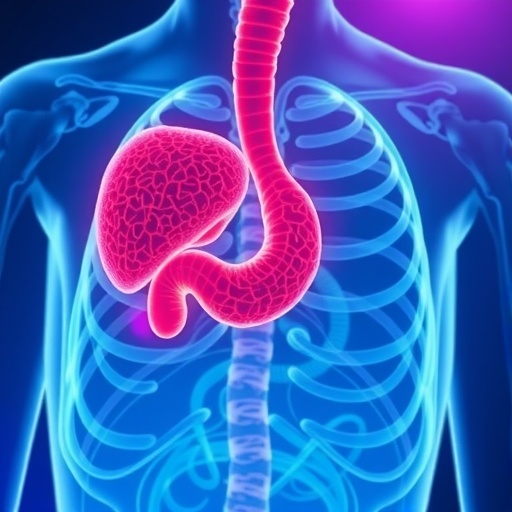
Over the past decade, the treatment landscape for gastro-oesophageal adenocarcinoma (GEA) has undergone a remarkable transformation, driven by evolving epidemiological trends, groundbreaking clinical trials, and the integration of innovative therapeutic approaches. Once considered a homogenous and largely untreatable malignancy, GEA is now at the forefront of precision oncology, with targeted therapies, immunotherapy, and optimized perioperative strategies dramatically reshaping patient outcomes. The recent wave of clinical research has not only clarified the roles of traditional chemotherapy and radiotherapy but also introduced nuanced approaches aiming to personalize treatment based on tumor biology and molecular profiling.
GEA’s global burden continues to rise, yet patterns of incidence and response to treatment diverge sharply between regions, particularly when contrasting Asia with Western countries. This geographic variability has underscored the complexity of the disease, driving a need for region-specific clinical trials that respect these epidemiologic subtleties. For instance, Asian populations show a higher prevalence of distal gastric tumors and a greater responsiveness to certain chemotherapy regimens, while Western cohorts often experience proximal or gastro-oesophageal junction tumors with differing molecular characteristics. These disparities have important implications for designing perioperative treatment strategies that can be tailored to both patient population and tumor biology.
The integration of immune checkpoint inhibitors (ICIs) into the perioperative management of GEA represents one of the most significant strides forward in recent years. Previously confined largely to metastatic or refractory disease settings, immunotherapy now encroaches on the curative-intent landscape, offering hope for enhanced pathological response rates and survival benefits when combined with chemotherapy or chemoradiotherapy. Randomized controlled trials employing PD-1/PD-L1 blockade in the neoadjuvant or adjuvant setting have demonstrated encouraging activity, fundamentally altering the standard of care and prompting ongoing investigations into optimal sequencing and combination strategies.
Despite these advances, setbacks have tempered some of the initial enthusiasm, particularly concerning radiotherapy’s evolving role. While radiotherapy has been a cornerstone of multimodal perioperative therapy for GEA, burgeoning data from recent trials have questioned its universal applicability. In some contexts, radiotherapy’s incremental benefit appears marginal or associated with increased toxicity, weighing against its use without precise patient selection criteria. Consequently, researchers are now focusing on identifying biomarkers capable of predicting radiotherapy sensitivity, aiming to balance efficacy with safety while preserving organ function where feasible.
Targeted therapies continue to expand the therapeutic armamentarium in GEA, with agents directed against HER2, VEGF, and MET pathways exemplifying precision medicine’s potential. The successful integration of HER2-targeting agents, particularly trastuzumab, into perioperative regimens for HER2-positive tumors represents a paradigm shift, transforming historically dismal prognoses. Beyond HER2, emerging targets and novel agents—either as monotherapy or combined with immunotherapy—are under intense scrutiny in clinical trials, reflecting a vigorous effort to intercept tumor progression through molecular vulnerabilities specific to each patient’s cancer.
Advances in circulating tumor DNA (ctDNA) analysis herald a new era in personalized therapy for GEA, enabling dynamic monitoring of tumor burden and minimal residual disease during the perioperative period. By quantifying ctDNA, clinicians can identify molecular residual disease post-surgery or during systemic therapy, predicting relapse risk with unprecedented precision. This liquid biopsy approach is poised to revolutionize risk stratification, influence treatment escalation or de-escalation decisions, and expedite the design of individualized therapeutic schedules, ultimately enhancing survival outcomes and minimizing overtreatment.
In line with these molecular advances, organ-preserving strategies are garnering increasing attention as alternatives to radical surgery in highly selected patients exhibiting excellent response to neoadjuvant therapies. The potential to maintain quality of life and reduce morbidity without compromising oncological outcomes challenges traditional paradigms centered on total gastrectomy or oesophagectomy. Clinical trials exploring active surveillance and local ablative treatments in patients with complete clinical response are underway, reflecting a patient-centered approach that prioritizes functional preservation alongside disease control.
The elucidation of tumor microenvironment dynamics has further enriched our understanding of GEA biology, revealing complex interactions between cancer cells, immune infiltrates, stromal components, and the extracellular matrix. This intricate ecology influences tumor progression, metastasis, and treatment resistance, highlighting opportunities for combinatorial therapies that target not only the malignant cells but also their supportive niche. Agents modulating the immune milieu, stromal reprogramming drugs, and vasculature-targeting molecules represent promising adjuncts to enhance perioperative therapeutic efficacy.
The reliance on robust, well-structured clinical trials has been pivotal in shaping current perioperative paradigms. Landmark studies such as FLOT4, CheckMate 577, and others have established chemotherapy regimes that improve survival, introduced immunotherapy in the adjuvant context, and explored novel therapeutics. Additionally, negative or equivocal trial results have been equally instructive, refining patient selection and guiding hypothesis-driven research to overcome previous limitations. These iterative cycles of success and setback underscore the importance of rigorous evidence generation to translate molecular discoveries into clinical benefit.
Future horizons for GEA perioperative management emphasize multi-modal, multi-disciplinary strategies intricately informed by tumor genomics and immunoprofiling. The convergence of big data analytics, artificial intelligence, and machine learning promises to further elevate treatment personalization, enabling clinicians to predict therapeutic responses and adapt regimens dynamically in real time. Additionally, the integration of patient-reported outcomes and quality of life metrics into clinical decision-making will promote holistic care models that address physical, psychological, and social dimensions of cancer survivorship.
International collaboration has emerged as a cornerstone of progress against GEA, given the disease’s global heterogeneity and the necessity for large patient cohorts to validate novel interventions. Consortia and networks spanning continents are facilitating harmonized protocols, shared biobanking, and pooled data analysis, accelerating discovery and dissemination of best practices. This global approach ensures that advances made in one region can be adapted, validated, and implemented worldwide, bridging gaps in access and equity that have historically hampered cancer care.
On the technological front, advances in surgical techniques including minimally invasive and robotic-assisted procedures have complemented systemic therapy improvements, promoting faster recovery and reduced perioperative morbidity. Enhanced imaging modalities allow improved staging accuracy and intraoperative guidance, crucial for tailoring surgical extent and integrating adjunct therapies. The synergy between surgical innovation and systemic treatment optimization epitomizes the multi-pronged attack necessary for tackling GEA effectively.
At the molecular level, increased understanding of genetic instability, epigenetic alterations, and metabolic reprogramming in GEA cells continues to unearth novel targets. Future therapies may exploit synthetic lethality approaches, epigenetic modifiers, and metabolic inhibitors, potentially combined with existing immuno- and chemo-therapeutics to overcome resistance mechanisms. The identification of new biomarkers capable of predicting these interactions will be essential, accelerating bench-to-bedside translation and continuous refinement of treatment algorithms.
Ultimately, the evolving paradigm for perioperative management in gastro-oesophageal adenocarcinoma reflects a dynamic interplay of epidemiologic insights, clinical trial innovation, biological understanding, and technological advances. While significant challenges remain—such as overcoming tumor heterogeneity, managing toxicity, and translating research into equitable global care—the steady accumulation of knowledge and therapeutic options offers unprecedented hope. The future for GEA patients lies in personalized, precisely targeted, and biologically informed approaches that maximize cure rates while preserving quality of life in an increasingly patient-centric oncology era.
Cite Scienmag News
Nathaniel Bowman. (May 15, 2026). Revolutionizing Gastro-Oesophageal Adenocarcinoma Treatment: Progress and Prospects. Scienmag. https://scienmag.com/revolutionizing-gastro-oesophageal-adenocarcinoma-treatment-progress-and-prospects/
Nathaniel Bowman. "Revolutionizing Gastro-Oesophageal Adenocarcinoma Treatment: Progress and Prospects." Scienmag, 15 May 2026, https://scienmag.com/revolutionizing-gastro-oesophageal-adenocarcinoma-treatment-progress-and-prospects/. Accessed 4 September 2026.
Nathaniel Bowman. "Revolutionizing Gastro-Oesophageal Adenocarcinoma Treatment: Progress and Prospects." Scienmag. May 15, 2026. https://scienmag.com/revolutionizing-gastro-oesophageal-adenocarcinoma-treatment-progress-and-prospects/


