


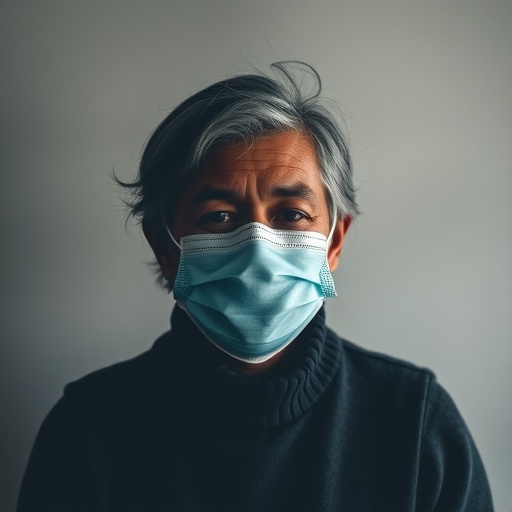
Levels of anxiety and depression remain critically high among approximately 1.8 million clinically vulnerable individuals in the United Kingdom, a demographic profoundly affected by ongoing social restrictions implemented to mitigate COVID-19 risk. Despite the general easing of pandemic measures, new research from the University of Bath reveals that these individuals continue to experience sustained psychological distress, often unrecognized by broader society. This cohort, compelled to shield themselves due to immune system compromise or other severe health vulnerabilities, faces prolonged isolation more than six years after emergence of the SARS-CoV-2 virus.
The collaborative study, involving psychologists and political scientists from the Universities of Bath and Liverpool, uncovers a worrying and persistent mental health crisis among those who remain confined to shielding practices. Lead author Anna Gray, a trainee clinical psychologist at the University of Bath, emphasizes the depth of this issue: the protracted nature of isolation has intensified feelings of abandonment, compounded by restricted access to essential healthcare services and medicines. The resultant emotional toll manifests as chronic anxiety and depressive symptoms, significantly impacting quality of life.
Their research identifies a detrimental psychological feedback loop. Here, fear of viral infection motivates withdrawal from social interactions, which in turn erodes confidence to resume normal engagement with society. This entrenched isolation exacerbates avoidance behavior, perpetuating a cycle of psychological distress that is difficult to disrupt. Inconsistent guidance from health authorities has further muddied the waters, contributing to confusion and frustration around personal risk management, and fostering mistrust towards government communications.
This continuous state of vulnerability and confinement has led many to independently manage exposure risk with scant public support or clear policy direction. The study illustrates a shift among shielding individuals toward solitary risk assessment, often incurring greater psychological strain and personal cost. These findings are particularly alarming given the escalating threat of emerging infectious diseases, underscoring an urgent need to integrate these lived experiences into both immediate support frameworks and comprehensive pandemic preparedness strategies.
Gayle, a 57-year-old kidney transplant recipient, and her husband Les personify the extraordinary sacrifices made by immunocompromised individuals. Since 2020, their lives have been drastically curtailed due to Gayle’s need to avoid environments with high infection risk. Les, who actively campaigns for better recognition of these circumstances, articulates the profound social deprivation suffered: favorite activities such as concerts and theater visits are off-limits, and recommending that visitors perform lateral-flow COVID tests—a courtesy not universally accepted—highlights the strain on personal relationships amid pandemic fatigue in the general population.
Senior researcher Dr. Jo Daniels stresses the unexpected permanency of this vulnerable group’s predicament. The assumption that pandemic-related shielding would be transient has proven incorrect, with continued confinement contributing to an extraordinary psychological burden. The research highlights a glaring gap in public health and social services provision—emphasizing that these needs must be robustly addressed both now and in planning for future pandemics to prevent such extensive marginalization.
Advocacy voices from Forgotten Lives UK, represented by spokesperson Nikola Brigden, underscore the misunderstanding surrounding this community. Shielding is not a matter of choice or preference but a necessity driven by unresolved health risks in a landscape lacking consistent protections and timely access to therapeutics. The absence of clear governmental policy responses has left many immunocompromised individuals in precarious situations that prolong social isolation and mental health deterioration, often with minimal societal empathy or support.
The research findings have already informed parliamentary discussions and will be submitted to the All Party Parliamentary Group (APPG) for Vulnerable Groups to Pandemics, marking the second time this team has contributed evidence on the prolonged psychological impact of shielding. Dr. Daniels has also provided expert testimony to the ongoing UK COVID-19 Inquiry, emphasizing the intersection of clinical vulnerability and social policy failures during and after the pandemic.
The publication of these new findings in the peer-reviewed journal Health Expectations provides an important evidence base for healthcare professionals, policymakers, and public health strategists. By utilizing survey data from 457 clinically vulnerable participants, this empirical work offers critical insight into the intersection of infectious disease control and mental health, revealing that the ramifications of COVID-19 extend far beyond acute viral illness.
A key technical consideration emerging from the study is that immunocompromised individuals face unique challenges that conventional mental health interventions may not fully address. Their psychological distress is intricately linked with heightened objective health risks and structural barriers to healthcare access, requiring multidisciplinary approaches that combine psychological support, medical management, and enhanced social inclusion policies.
In essence, the study advocates for the urgent recognition that shielding is an ongoing reality affecting millions, not a transient phase that concluded with the end of pandemic restrictions. This recognition must translate into concrete policy actions and healthcare interventions designed to alleviate psychological suffering, rebuild trust in public institutions, and foster social reintegration for those living with ongoing vulnerability to infectious threats.
Beyond the psychological dimensions, the research highlights political ramifications. Dr. Luca Bernardi from the University of Liverpool draws attention to the enduring erosion of trust between immunocompromised individuals and government bodies. This fractured relationship complicates future public health messaging and compliance, underscoring the necessity of transparent, empathetic, and inclusive risk communication practices in pandemic recovery and preparedness.
As the global health community braces for future infectious disease outbreaks, these findings emphasize the importance of integrating patient voices in the design and implementation of protective measures. Comprehensive strategies will need to balance biological protection with safeguarding psychological well-being, ultimately contributing to resilient and equitable health systems that do not leave clinically vulnerable populations marginalized or invisible.
News Publication Date: 16-Apr-2026
Web References:
– https://dx.doi.org/10.1111/hex.70675
– https://onlinelibrary.wiley.com/doi/10.1111/hex.70675
– https://researchportal.bath.ac.uk/en/persons/anna-gray/
– https://researchportal.bath.ac.uk/en/persons/jo-daniels/
– https://www.forgottenlives.uk/
– https://www.parallelparliament.co.uk/APPG/vulnerable-groups-to-pandemics
References: University of Bath, University of Liverpool, journal Health Expectations
Cite Scienmag News
Glenn Wilkins. (May 13, 2026). 1.8 Million Overlooked and Vulnerable to COVID-19 Confront a Growing Mental Health Crisis. Scienmag. https://scienmag.com/1-8-million-overlooked-and-vulnerable-to-covid-19-confront-a-growing-mental-health-crisis/
Glenn Wilkins. "1.8 Million Overlooked and Vulnerable to COVID-19 Confront a Growing Mental Health Crisis." Scienmag, 13 May 2026, https://scienmag.com/1-8-million-overlooked-and-vulnerable-to-covid-19-confront-a-growing-mental-health-crisis/. Accessed 3 September 2026.
Glenn Wilkins. "1.8 Million Overlooked and Vulnerable to COVID-19 Confront a Growing Mental Health Crisis." Scienmag. May 13, 2026. https://scienmag.com/1-8-million-overlooked-and-vulnerable-to-covid-19-confront-a-growing-mental-health-crisis/


