


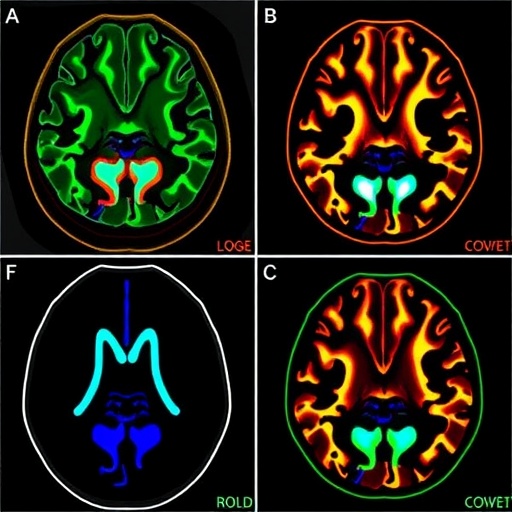
Pediatric ependymomas represent a diverse and formidable class of central nervous system tumors primarily affecting children, with tumors developing in various anatomical compartments including the supratentorial region, posterior fossa, and spinal cord. Despite advances in molecular classification empowering clinicians to stratify disease subtypes and guide prognostic assessments with greater precision, the metabolic intricacies underpinning these subtypes have remained largely enigmatic. This knowledge gap persists due in part to the relative rarity of pediatric ependymomas, which makes it a substantial challenge to accrue sufficiently large cohorts for comprehensive metabolic interrogation across all major subtypes.
A transformative study published in Life Metabolism and spearheaded by Professor Woo-ping Ge at the Beijing Institute for Brain Research now provides an unprecedented, systematic map of metabolic landscapes across forty-two pediatric ependymoma tumors. This cohort encompasses the four principal molecular subtypes: ST-RELA, ST-YAP1, PFA, and PFB. By integrating untargeted metabolomic profiling with transcriptomic data, the research delineates distinctive metabolic programs associated with each subtype, illuminating how these biochemical pathways interlace with their underlying molecular lesions. This integrative approach heralds a new era in understanding pediatric ependymoma biology, laying critical groundwork for future metabolism-guided therapeutic strategies.
In this study, an emphasis was placed on untargeted metabolomic profiling of fresh frozen tumor tissues, employing high-resolution mass spectrometry to capture an expansive spectrum of metabolites. The findings decisively revealed that global metabolic profiles aligned more robustly with molecular subtype classification than with the tumor’s anatomical origins. This indicates that metabolic architecture is predominantly governed by intrinsic oncogenic drivers rather than the tumor microenvironment or location within the nervous system. Particularly notable was the metabolic divergence between the two supratentorial tumor subtypes, ST-RELA and ST-YAP1, with ST-YAP1 exhibiting the most distinct metabolic signature among all subtypes analyzed.
Contrasting the supratentorial subtypes, the posterior fossa variants PFA and PFB demonstrated considerable metabolic similarity, despite harboring unique molecular characteristics. These observations underscore the concept of metabolic convergence within certain anatomical niches, potentially reflective of shared cellular contexts or microenvironmental constraints. Consequently, these results suggest a nuanced paradigm whereby metabolic reprogramming is influenced by a complex interplay between molecular oncogenic events and the tissue-specific environment, with molecular lesions holding predominant sway in molding cancer metabolism.
An in-depth dissection into the metabolic underpinnings of the clinically more aggressive ST-RELA subtype revealed a pronounced enrichment of acylcarnitines combined with elevated gene expression of the fatty acid oxidation (FAO) machinery, including CPT1A, CPT1C, and CPT2. Carnitine palmitoyltransferase enzymes play a critical role in shuttling long-chain fatty acids into mitochondria for β-oxidation, a metabolic adaptation that provides an efficient source of ATP and biosynthetic precursors. This lipid-centric metabolic rewiring aligns with a substrate preference that may confer proliferative and survival advantages in the hostile tumor milieu. Publicly available pediatric brain tumor transcriptomic datasets further substantiated these findings, demonstrating that elevated CPT1A expression profoundly correlates with poorer overall survival among children diagnosed with ependymoma.
Polyamine metabolism emerged as another hallmark of aggressive pediatric ependymomas, with both PFA and ST-RELA subtypes exhibiting significant elevations in metabolites such as putrescine, spermidine, and spermine. Polyamines are vital for cellular growth, modulating DNA stabilization, gene expression, and apoptosis resistance, making them attractive targets for therapeutic intervention. Interestingly, younger patients diagnosed with PFA tumors displayed the highest polyamine metabolite levels, hinting at age-dependent metabolic dynamics that could influence tumor behavior and responsiveness to therapies targeting this pathway.
Conversely, the ST-YAP1 subtype, known for its comparatively favorable prognosis, was characterized by conspicuously reduced levels of nucleotides and nucleotide sugars. Given that these metabolites are pivotal for nucleic acid synthesis and cellular proliferation, their scarcity is consistent with a metabolic phenotype reflecting lower proliferative capacity and higher differentiation status. This biochemical signature buttresses the notion that ST-YAP1 tumors maintain more regulated growth kinetics, paralleling clinical observations of less aggressive disease progression.
The convergence of these metabolomic portraits not only reinforces the heterogeneity intrinsic to pediatric ependymomas but also reveals distinct metabolic vulnerabilities that could be exploited therapeutically. Specifically, the lipid dependence of ST-RELA tumors spotlights fatty acid oxidation as a promising metabolic intervention point. Inhibitors targeting CPT enzymes and downstream β-oxidation pathways could potentially cripple the energetic and biosynthetic flux sustaining tumor growth. Similarly, polyamine metabolism’s prominence in PFA and ST-RELA subtypes invites investigation into agents such as polyamine analogs or biosynthesis inhibitors that have shown efficacy in other malignancies.
In a broader oncological context, this study epitomizes the critical integration of metabolomics with molecular oncology, illuminating the metabolic dependencies that underpin tumor identity and progression. By mapping metabolic heterogeneity at a resolution encompassing multiple molecular subtypes, the research fosters a refined understanding that transcends conventional genomic or transcriptomic analyses, offering a functional lens into tumor biology. This ensures that future therapeutic regimens can be tailored not only to the genetic aberrations but also to the metabolic exigencies of specific pediatric ependymoma subtypes.
Moreover, the methodological approach employed sets a new standard for pediatric brain tumor research, demonstrating that even rare cancer subtypes can be interrogated metabolically with rigorous analytical techniques when samples are aggregated with molecular precision. It also establishes a valuable resource for the research community, enabling hypothesis-driven exploration of metabolic targets and biomarkers that might predict treatment response or clinical outcome.
The delineation of metabolomic profiles aligned tightly with molecular subtypes also raises critical implications for diagnostic algorithms and prognostication. As metabolite signatures become more defined and technologies for their detection evolve, metabolic profiling could complement existing molecular diagnostics, refining subtype classification and aiding in risk stratification. This multi-dimensional profiling approach could ultimately optimize clinical decision-making and personalize therapeutic approaches in pediatric neuro-oncology.
Importantly, this comprehensive characterization recognizes the dynamic nature of tumor metabolism, acknowledging that metabolic reprogramming is both a cause and consequence of oncogenic signaling pathways. Investigating how these metabolic changes interface with tumor microenvironmental factors such as hypoxia, nutrient availability, and immune infiltration will be an important frontier. Such research endeavors may unveil novel mechanisms of treatment resistance and identify combination strategies that disrupt tumor metabolism synergistically with conventional therapies.
In summary, the pioneering work led by Professor Woo-ping Ge unequivocally positions metabolism at the forefront of pediatric ependymoma research. By providing a granular view of subtype-specific metabolic programs and their clinical correlations, this study charts a transformative path toward therapeutic exploitation of metabolic vulnerabilities. It signals a shift from viewing pediatric ependymomas simply as genetically defined entities to understanding them as complex metabolic ecosystems, thereby opening avenues for innovative, metabolism-informed interventions that hold promise to improve outcomes for children afflicted with these challenging tumors.
News Publication Date: 20-Apr-2026
Web References: http://dx.doi.org/10.1093/lifemeta/loag010/8659413
Cite Scienmag News
Nathaniel Bowman. (May 6, 2026). Metabolomic Profiling Uncovers Subtype-Specific Pathways in Pediatric Ependymoma. Scienmag. https://scienmag.com/metabolomic-profiling-uncovers-subtype-specific-pathways-in-pediatric-ependymoma/
Nathaniel Bowman. "Metabolomic Profiling Uncovers Subtype-Specific Pathways in Pediatric Ependymoma." Scienmag, 6 May 2026, https://scienmag.com/metabolomic-profiling-uncovers-subtype-specific-pathways-in-pediatric-ependymoma/. Accessed 6 September 2026.
Nathaniel Bowman. "Metabolomic Profiling Uncovers Subtype-Specific Pathways in Pediatric Ependymoma." Scienmag. May 6, 2026. https://scienmag.com/metabolomic-profiling-uncovers-subtype-specific-pathways-in-pediatric-ependymoma/


