


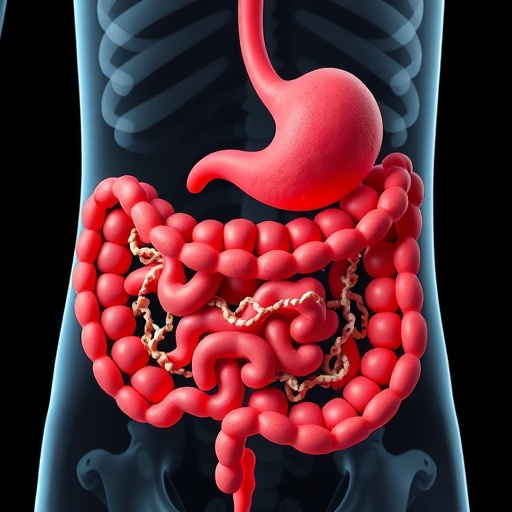
A groundbreaking review published in the latest edition of Oncoscience unveils the intricate web of interactions linking physical activity, diet, and non-lifestyle factors to the gut microbiome of cancer patients. This comprehensive analysis explores how these elements collectively modulate microbial communities within the gut, revealing a sophisticated and dynamic relationship that holds profound implications for patient health and treatment outcomes.
The gut microbiome, a complex ecosystem of microorganisms residing in the digestive tract, is emerging as a pivotal player in cancer biology. It influences immune responses, systemic inflammation, and metabolic pathways critical to disease progression and therapy effectiveness. Recognizing this, researchers led by Dr. Jerry Armah at the University of Florida synthesized findings from over fifty studies to dissect how lifestyle behaviors such as exercise and nutritional intake interface with immutable clinical factors to shape the gut microbial landscape in oncology settings.
Central to their discoveries is the role of physical activity and diet in promoting microbial diversity and enriching beneficial bacteria known for producing short-chain fatty acids (SCFAs). SCFAs like butyrate are essential metabolites that reinforce the intestinal barrier, mitigate inflammatory cascades, and uphold metabolic equilibrium. These functions collectively enhance gut health and potentially augment patient resilience against cancer-related complications. The reviewed literature consistently linked regular exercise regimens and adherence to nutrient-rich diets with elevated SCFA-producing microbiota, underscoring lifestyle modification as a promising adjunct in cancer management.
Yet, the review underscores a compelling complexity: the impact of lifestyle factors is often obscured or modulated by non-modifiable variables intrinsic to the patient or their clinical course. Chemotherapy, radiation, and targeted oncological treatments exert profound effects on the gut environment, frequently disrupting microbial diversity and fostering opportunistic pathogens. Such treatment-induced dysbiosis may blunt or override the favorable shifts driven by diet and physical activity, explaining variability in microbiome responses among patients with ostensibly similar lifestyle patterns.
Adding further complexity, intrinsic characteristics like age, cancer subtype, stage, and underlying genetics significantly dictate microbial composition and responsiveness. These biological and clinical parameters create a heterogeneous milieu within which lifestyle interventions exert their influence, emphasizing the necessity of personalized microbiome-targeted approaches. The network analysis employed in this review illustrates this interconnectedness, mapping a multifactorial regulatory system where lifestyle, treatment, and host biology converge to determine microbial dynamics.
The authors advocate for a paradigm shift in microbiome research within oncology, framing the gut ecosystem as an emergent property governed by multifaceted interactions rather than isolated lifestyle or clinical determinants. This perspective challenges reductionist models and calls for integrative methodologies to unravel causal pathways and biomarkers predictive of therapeutic response or toxicity.
Moreover, the findings have tangible clinical implications. Understanding the interplay between modifiable behaviors and non-lifestyle factors can inform the development of tailored interventions aimed at optimizing the gut microbiome to support cancer treatment efficacy and mitigate side effects. Such strategies might include precision nutritional plans, customized exercise protocols, and microbiota-friendly adjunct therapies calibrated according to individual patient profiles and treatment histories.
Despite the promising insights, the authors express caution, highlighting substantial gaps in the current knowledge base. Many studies reviewed were observational with heterogeneous designs, and comprehensive mechanistic explorations remain sparse. Standardized methodologies and longitudinal clinical trials are imperative to validate causal associations and establish evidence-based guidelines for microbiome modulation in oncology.
Intriguingly, the network diagram presented as part of this review visually encapsulates the intricate associations among diet, physical activity, non-lifestyle variables, and clusters of microbial functions. The use of color-coded nodes and edges delineates how various factors promote increases or decreases in specific bacterial communities, offering a novel lens through which to appreciate the gut ecosystem’s complexity in cancer patients.
As cancer treatment moves towards more individualized care, integrating gut microbiome considerations into routine clinical practice emerges as a frontier with considerable potential. This review lays critical groundwork by consolidating current evidence and highlighting the nuanced roles of lifestyle and intrinsic variables in microbiome regulation, thereby inspiring future research to harness these insights for improved patient outcomes.
Ultimately, the work by Armah and colleagues signals a transformative step in understanding how cancer patients’ gut microbiota can be engineered through lifestyle and clinical modulations. It paves the way for innovative, multifactorial interventions that may redefine supportive care standards and enhance quality of life during and after cancer therapy.
News Publication Date: March 11, 2026
Web References: https://doi.org/10.18632/oncoscience.651
Cite Scienmag News
Arthur F. (April 28, 2026). Lifestyle, Diet, and Clinical Factors Influence Gut Microbiome Composition in Cancer Patients. Scienmag. https://scienmag.com/lifestyle-diet-and-clinical-factors-influence-gut-microbiome-composition-in-cancer-patients/
Arthur F. "Lifestyle, Diet, and Clinical Factors Influence Gut Microbiome Composition in Cancer Patients." Scienmag, 28 April 2026, https://scienmag.com/lifestyle-diet-and-clinical-factors-influence-gut-microbiome-composition-in-cancer-patients/. Accessed 28 August 2026.
Arthur F. "Lifestyle, Diet, and Clinical Factors Influence Gut Microbiome Composition in Cancer Patients." Scienmag. April 28, 2026. https://scienmag.com/lifestyle-diet-and-clinical-factors-influence-gut-microbiome-composition-in-cancer-patients/
![Systematic Review Compares [18F]-mFBG and [123I]-MIBG Imaging for Neuroblastoma](https://scienmag.com/wp-content/plugins/wp-fastest-cache-premium/pro/images/blank.gif)

