


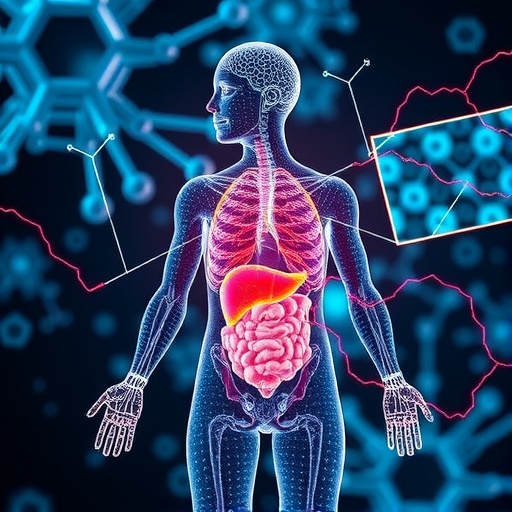
In a groundbreaking study published in the prestigious journal Nature, researchers at the Walter and Eliza Hall Institute (WEHI) have unveiled a startling new biological mechanism that challenges decades of accepted knowledge about sugar regulation in the human body. This discovery not only provides profound insights into glycogen metabolism but also opens innovative therapeutic avenues for treating diseases characterized by abnormal sugar storage.
Central to this finding is the protein ubiquitin, traditionally known for its role in tagging damaged or unnecessary proteins within cells for degradation and recycling. For over fifty years, the scientific consensus firmly held that ubiquitin’s function was confined to proteins alone. However, the novel research spearheaded by WEHI’s Ubiquitin Signalling Division has demonstrated that ubiquitin can directly attach itself to glycogen—a glucose polymer and non-protein molecule—revolutionizing our understanding of cellular sugar management.
The study introduces a sophisticated biochemical pathway in which ubiquitin tags glycogen molecules, effectively regulating their breakdown and storage within cells. This previously unknown layer of control adds complexity to the classic glycogen metabolism pathway taught in biology and medical schools worldwide. When an organism requires energy, ubiquitin’s increased tagging of glycogen correlates with enhanced glycogen depletion, suggesting that ubiquitination serves as an on-demand regulatory switch governing glucose availability.
Key to this revelation was the development of NoPro-clipping, an innovative technique created by the research team, including Dr. Simon Cobbold, Professor David Komander, and Marco Jochem. This method, combined with advanced mass spectrometry technology, allows for the unprecedented detection of ubiquitination on non-protein molecules such as glycogen, a feat previously thought impossible. NoPro-clipping acts like a molecular ‘magnifying glass,’ revealing ubiquitin’s role on a vast array of cellular metabolites that have until now eluded scientific scrutiny.
Beyond glycogen, this method uncovered ubiquitination events on other metabolites like glycerol and spermine, reshaping the landscape of ubiquitin biology and suggesting a much broader functional repertoire for ubiquitin than ever imagined. The implications are profound: ubiquitin is no longer a mere cellular waste-tagging agent but also a critical regulator of metabolism and energy homeostasis.
The physiological relevance of glycogen ubiquitination was vividly demonstrated in animal models. By examining liver tissues from mice in fed and fasted states, the researchers observed dynamic fluctuations in ubiquitin tagging corresponding with glycogen levels. During fasting, when energy demands rise, ubiquitin tags on glycogen increased markedly, promoting glycogen degradation to release glucose. This dynamic modulation highlights ubiquitination’s role as a pivotal metabolic control mechanism.
Clinically, this discovery carries significant promise. Glycogen Storage Diseases (GSD), a family of rare genetic disorders marked by defective glycogen metabolism, currently lack effective treatments. These conditions cause debilitating symptoms due to the improper accumulation or utilization of glycogen. The newfound ubiquitin-based regulatory mechanism offers a tantalizing target for therapeutic intervention, potentially allowing direct modulation of glycogen stores within cells.
Moreover, common metabolic diseases such as diabetes, obesity, and heart disease are frequently associated with excessive glycogen accumulation. Existing drugs like Ozempic primarily influence blood sugar levels indirectly, through hormonal pathways. By contrast, therapies developed from this research could act directly on glycogen molecules, potentially providing more effective control over the root cause of these diseases.
Professor Komander emphasized the paradigm-shifting nature of this work, noting that biology textbooks may soon require rewriting. The identification of a ubiquitin-regulated glycogen metabolism pathway not only deepens fundamental biological understanding but also marks the advent of a new frontier in metabolism research. “This adds a completely new chapter to a book we thought was finished,” he remarked, underscoring the transformative impact of this knowledge.
PhD candidate Marco Jochem reflected on the versatility and potential of the NoPro-clipping technique. Its ability to detect ubiquitination on diverse metabolites means it can illuminate previously hidden aspects of cellular regulation, paving the way for discoveries beyond sugar metabolism. This broadens the horizon immensely, promising a cascade of follow-up studies and novel biomedical applications.
The research involved international collaboration, bringing together expertise from WEHI, The University of Melbourne, the University of Cologne in Germany, and Alfred Health. Supported by prominent funding bodies such as the National Health and Medical Research Council (NHMRC), the U.S. National Institutes of Health (NIH), and the Victorian Government, this multidisciplinary effort combined cutting-edge technology with robust biological models to unravel this complex ubiquitin-glycogen interplay.
Ultimately, this study marks a pivotal moment in the field of biochemistry and metabolic research. By revealing ubiquitin’s unexpected role in direct sugar regulation, it lays the groundwork for innovative treatments that could alleviate the burden of glycogen-related diseases globally. As researchers continue to explore and exploit this mechanism, patients suffering from rare and common metabolic disorders alike may soon benefit from targeted therapies born from this revolutionary insight.
Cite Scienmag News
Drew Townsend. (April 24, 2026). Breakthrough Finding Transforms Understanding of Sugar Storage in the Body. Scienmag. https://scienmag.com/breakthrough-finding-transforms-understanding-of-sugar-storage-in-the-body/
Drew Townsend. "Breakthrough Finding Transforms Understanding of Sugar Storage in the Body." Scienmag, 24 April 2026, https://scienmag.com/breakthrough-finding-transforms-understanding-of-sugar-storage-in-the-body/. Accessed 4 September 2026.
Drew Townsend. "Breakthrough Finding Transforms Understanding of Sugar Storage in the Body." Scienmag. April 24, 2026. https://scienmag.com/breakthrough-finding-transforms-understanding-of-sugar-storage-in-the-body/


