


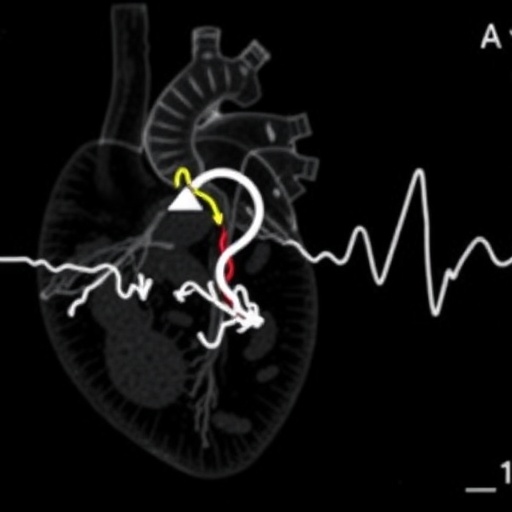
In a groundbreaking study published in Pediatric Research this April, scientists have unveiled significant insights into the cardiac complications associated with congenital diaphragmatic hernia (CDH), focusing specifically on left ventricular diastolic dysfunction evaluated through advanced echocardiographic methods. The research, led by Madabhushi and Toldi, delves deep into the pathophysiological interactions between pulmonary hypoplasia triggered by CDH and the resultant cardiac function impairment, underscoring critical considerations for clinical management and therapeutic interventions.
Congenital diaphragmatic hernia is a severe birth defect characterized by the incomplete formation of the diaphragm, permitting abdominal organs to herniate into the chest cavity. This anomaly leads to compromised lung development, particularly pulmonary hypoplasia, which in turn exerts profound effects on cardiac morphology and performance. While right ventricular dysfunction in CDH has been extensively studied owing to its direct association with pulmonary vascular resistance, the intricate contributions and manifestations of left ventricular diastolic dysfunction have remained underexplored until now.
Echocardiography, a non-invasive imaging technique, has emerged as an indispensable tool to assess cardiac structure and function in neonates and infants affected by CDH. The current study harnesses sophisticated echocardiographic parameters to evaluate the diastolic properties of the left ventricle, focusing on filling dynamics, myocardial relaxation, and compliance. These indices are vital to understanding how the heart accommodates and propels blood during the cardiac cycle, particularly in the context of altered pulmonary and systemic hemodynamics seen in CDH patients.
The researchers employed tissue Doppler imaging and speckle-tracking echocardiography techniques to quantify myocardial velocities and strain patterns. These advanced modalities enable precise characterization of left ventricular diastolic mechanics beyond traditional measures influenced by loading conditions. By distinguishing active relaxation from passive stiffness of the myocardium, the study provides a nuanced understanding of diastolic dysfunction that correlates with clinical severity and prognosis.
Findings from this investigation revealed marked abnormalities in left ventricular filling pressures and relaxation phases among infants with CDH. The impaired diastolic function was associated with reduced compliance, suggesting myocardial remodeling possibly due to chronic hypoxemia and altered loading. Furthermore, the researchers identified that such diastolic impairments often coexist with right ventricular dysfunction, creating a complex cardiorespiratory interplay that exacerbates clinical outcomes.
One of the novel aspects highlighted in the study is the impact of intra-thoracic mechanical constraints caused by herniated abdominal contents compressing the heart and lungs. This physical distortion affects left ventricular geometry and compliance, providing a biomechanical explanation for the observed diastolic abnormalities. Such insight aids in differentiating intrinsic myocardial pathology from extrinsic mechanical influences, which has implications for tailored clinical interventions.
Therapeutically, recognizing left ventricular diastolic dysfunction in CDH is pivotal. Traditional management strategies have concentrated predominantly on respiratory support and mitigation of pulmonary hypertension. However, this research advocates for comprehensive cardiovascular assessments and potentially early implementation of interventions aimed at improving ventricular relaxation and filling pressures, such as optimized fluid management and pharmacologic agents that target myocardial compliance.
Moreover, the study emphasizes the prognostic significance of early echocardiographic detection of diastolic dysfunction. Newborns exhibiting severe left ventricular diastolic impairment had poorer survival rates and increased incidence of complications like pulmonary hypertension and chronic lung disease. This correlation underscores the necessity for routine, protocol-based echocardiographic evaluations in CDH cases from birth onward, facilitating timely risk stratification and individualized therapeutic pathways.
The translational potential of this work extends beyond diagnostic refinement. The quantification of left ventricular diastolic dysfunction via echocardiography may serve as a surrogate endpoint in clinical trials assessing novel treatments for CDH, including fetal interventions or regenerative therapies aiming to restore diaphragmatic and pulmonary integrity. Incorporating functional cardiac parameters enriches the multidimensional assessment necessary for advancing care outcomes.
Importantly, the research calls attention to the intricate developmental origins underpinning myocardial abnormalities. The interplay of genetic, mechanical, and hypoxic factors during fetal development likely orchestrates the phenotypic spectrum of left ventricular diastolic dysfunction. Understanding these developmental trajectories may unlock preventive or modulatory strategies to ameliorate cardiac sequelae before birth.
The multidisciplinary approach employed by Madabhushi and Toldi highlights the synergy between cardiology, neonatology, and developmental biology in tackling the complexities of CDH. It also exemplifies how technological advancements in imaging and computational analysis can reshape our comprehension of congenital disorders’ systemic impacts, fostering innovations in patient-centric care.
In conclusion, this seminal study sheds unprecedented light on the underestimated aspect of left ventricular diastolic dysfunction in the context of congenital diaphragmatic hernia, revealing its pathophysiological basis, diagnostic markers, and clinical relevance. It opens new avenues for research and intervention tailored to ameliorate cardiac morbidity and mortality associated with this challenging neonatal condition. As the medical community continues to grapple with improving CDH prognosis, these insights will undoubtedly catalyze further inquiry and clinical paradigm evolution.
With cardiac function increasingly recognized as a critical determinant of long-term outcomes in CDH survivors, echocardiographic surveillance focusing on diastolic performance emerges as a promising standard of care. Future studies expanding on these findings will be essential to validate therapeutic approaches and optimize timing, ultimately enhancing survival and quality of life for affected infants worldwide.
The integration of detailed echocardiographic data into comprehensive management protocols not only provides a window into the heart’s adaptive capacity but also poses compelling questions regarding myocardial plasticity in early development influenced by extrinsic anatomical constraints. These dimensions position the research at the forefront of pediatric cardiovascular medicine and congenital anomaly treatment innovation.
As this investigation garners attention globally, it sets the stage for collaborative efforts to refine cardiac imaging techniques, interpret nuanced hemodynamic data, and develop bespoke therapies that address both respiratory and cardiac components of CDH. The study by Madabhushi and Toldi thus represents a landmark advancement, heralding an era where meticulous cardiovascular assessment transforms the clinical landscape of congenital diaphragmatic hernia care.
Cite Scienmag News
Harold Sullivan. (April 20, 2026). Echocardiographic Insights into Diastolic Dysfunction in CDH. Scienmag. https://scienmag.com/echocardiographic-insights-into-diastolic-dysfunction-in-cdh/
Harold Sullivan. "Echocardiographic Insights into Diastolic Dysfunction in CDH." Scienmag, 20 April 2026, https://scienmag.com/echocardiographic-insights-into-diastolic-dysfunction-in-cdh/. Accessed 3 September 2026.
Harold Sullivan. "Echocardiographic Insights into Diastolic Dysfunction in CDH." Scienmag. April 20, 2026. https://scienmag.com/echocardiographic-insights-into-diastolic-dysfunction-in-cdh/


