


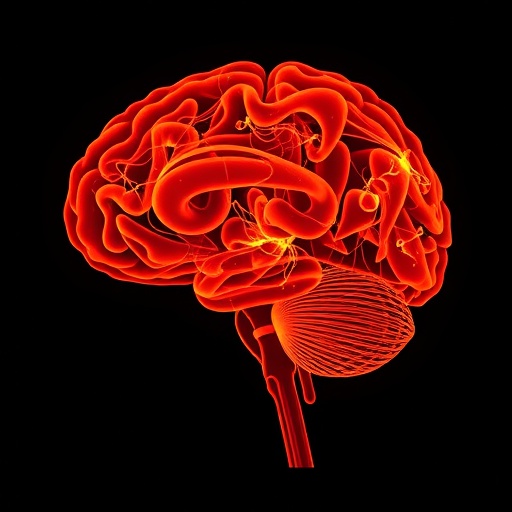
In a groundbreaking stride toward understanding and potentially revolutionizing the treatment of alcohol use disorder (AUD), recent research has illuminated the role of the hippocampal CACNA1C gene as a pivotal therapeutic target. Published in Translational Psychiatry in 2026, this study provides robust cross-species evidence implicating the calcium channel gene CACNA1C in the neurobiological mechanisms underlying AUD, offering unprecedented insight into addiction pathology and novel avenues for intervention.
Alcohol use disorder remains a significant public health challenge, characterized by compulsive alcohol consumption, loss of control over intake, and negative emotional states during withdrawal. Despite numerous pharmacological strategies, effective treatments with high efficacy and minimal side effects continue to elude clinicians. The exploration of precise genetic and molecular targets within the brain’s circuitry, particularly those involved in memory, reward, and stress regulation, is critical to developing next-generation therapies.
The hippocampus, long recognized for its integral role in memory consolidation and spatial navigation, emerges in this study as a key neural substrate influencing addictive behaviors. CACNA1C, the gene encoding the α1C subunit of L-type voltage-gated calcium channels (VGCCs), is highly expressed in hippocampal neurons and modulates calcium influx critical for synaptic plasticity and neuronal excitability. Dysregulation of this gene’s function may disrupt hippocampal signaling pathways, thereby affecting the neural adaptations driven by chronic alcohol exposure.
Employing a cross-species approach, the research team integrated findings from rodent models and human genetic data to establish a compelling link between hippocampal CACNA1C function and susceptibility to AUD. In rodents, selective manipulation of CACNA1C expression in hippocampal circuits altered alcohol intake behaviors, demonstrating a causal relationship. Parallel human studies revealed that polymorphisms within the CACNA1C locus correlated strongly with AUD risk, reinforcing the translational potential of these findings.
The methodological rigor of the study deserves attention. Advanced genetic editing techniques such as CRISPR-Cas9 allowed precise modulation of CACNA1C expression in mice, combined with electrophysiological recordings that captured alterations in hippocampal neuronal firing patterns post-alcohol exposure. Concurrently, genome-wide association studies (GWAS) in sizable human cohorts identified significant allelic variations influencing gene expression levels and, ultimately, behavioral phenotypes related to addiction vulnerability.
From a therapeutic perspective, the study posits that targeting CACNA1C function could correct dysfunctional calcium signaling cascades implicated in alcohol dependence. Pharmacological agents capable of modulating L-type VGCC activity, either through specific blockers or gene expression regulators, might normalize hippocampal network dynamics and reduce maladaptive drinking behavior. This hypothesis opens avenues for personalized medicine approaches, whereby patient genetics inform tailored pharmacotherapies.
Further dissecting CACNA1C’s involvement unveils its interactions with intracellular signaling pathways such as CaMKII and CREB. These molecules are known to regulate gene transcription critical for synaptic remodeling and memory formation, processes hijacked during the development of addiction. By influencing these pathways, aberrant CACNA1C activity could facilitate the formation of persistent alcohol-related memories that drive craving and relapse.
The translational relevance is underscored by investigating the temporal dynamics of CACNA1C expression changes during various stages of alcohol exposure, withdrawal, and abstinence. Longitudinal rodent studies demonstrated fluctuating gene expression patterns that corresponded with behavioral shifts, suggesting that timely intervention at specific phases could maximize treatment efficacy. This temporal specificity could inform the design of chronotherapeutic strategies targeting CACNA1C.
Moreover, the study integrates neuroimaging data revealing structural and functional alterations in the hippocampus associated with AUD and CACNA1C variants. Functional MRI scans illuminated how hippocampal connectivity with the prefrontal cortex and reward-related regions is modulated by this gene, implicating a broader network-level impact on decision making, impulse control, and emotional regulation in addicted individuals.
Importantly, this research frames CACNA1C not merely as a passive genetic risk factor but as a dynamic modulator within a complex interactome of genes and environmental factors influencing alcoholism. Epigenetic modifications and gene-environment interactions modulating CACNA1C expression were explored, suggesting that lifestyle and external stimuli potentially amplify or mitigate genetic vulnerabilities, revealing potential non-pharmacological intervention points.
The clinical implications extend beyond alcohol use disorder, as CACNA1C has been implicated in various neuropsychiatric conditions including bipolar disorder, schizophrenia, and depression. The comorbidity frequently observed among these disorders and AUD raises the possibility that therapeutics targeting CACNA1C could confer cross-diagnostic benefits, addressing shared neural mechanisms underlying pleiotropic psychiatric phenotypes.
Looking forward, the article advocates for extensive clinical trials to evaluate the safety and efficacy of CACNA1C-targeted therapies in human populations, leveraging biomarkers derived from genetic and neurophysiological assessments. Such precision medicine paradigms hold the promise to transform the currently generic pharmacotherapy landscape by tailoring treatments to individual molecular profiles, optimizing outcomes while minimizing adverse effects.
In summary, this trailblazing work elucidates a vital link between hippocampal CACNA1C and alcohol addiction across species, marking a paradigm shift from symptomatic treatment toward mechanistically informed interventions. By unraveling the molecular underpinnings of addiction, it lays the foundation for innovative, targeted therapeutics that could profoundly impact millions suffering from alcohol use disorders worldwide.
As the field advances, continued integration of genetics, neurobiology, and behavioral science will be paramount to harnessing the full therapeutic potential of CACNA1C and related molecular targets. This cross-disciplinary synergy exemplified in the current study underscores the future path for addiction medicine—precise, personalized, and profoundly transformative.
Cite Scienmag News
Juliet Wilcox. (April 18, 2026). Hippocampal CACNA1C: Key Alcohol Use Disorder Target. Scienmag. https://scienmag.com/hippocampal-cacna1c-key-alcohol-use-disorder-target/
Juliet Wilcox. "Hippocampal CACNA1C: Key Alcohol Use Disorder Target." Scienmag, 18 April 2026, https://scienmag.com/hippocampal-cacna1c-key-alcohol-use-disorder-target/. Accessed 3 September 2026.
Juliet Wilcox. "Hippocampal CACNA1C: Key Alcohol Use Disorder Target." Scienmag. April 18, 2026. https://scienmag.com/hippocampal-cacna1c-key-alcohol-use-disorder-target/


