


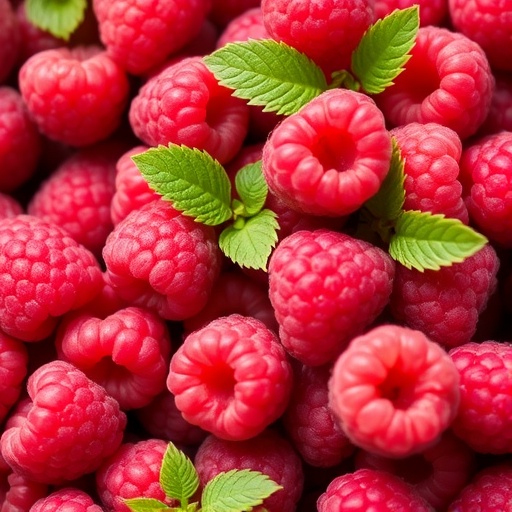
In a groundbreaking study poised to revolutionize our understanding of nutrition and personalized medicine, researchers have uncovered functional gut microbiome signatures that explain why individuals exhibit markedly different metabolic responses to red raspberry consumption. This innovative research, recently published in Scientific Reports, sheds light on the intricate interplay between diet and gut microbial functions, offering a paradigm shift in how we conceive the impact of food on human health.
The gut microbiome, an ecosystem of trillions of microorganisms residing in the human digestive tract, has long been recognized as a critical player in metabolic processes. However, there has been a persistent puzzle in nutrition science: why do some people derive significant health benefits from a particular food item, such as red raspberries, while others experience minimal or different effects? The research team, led by V. Barbe, J. de Toro-Martín, and V. Garneau, tackled this question by examining the gut microbiomes of a diverse cohort and their metabolic responses to raspberry intake.
Central to their findings is the identification of microbial functional signatures—distinct patterns in the microbiome’s metabolic capabilities—that correlate strongly with how efficiently the body metabolizes key raspberry polyphenols and other bioactive compounds. Unlike previous studies that focused narrowly on microbial composition, this research zoomed in on microbial gene expression and metabolic pathways, providing a dynamic snapshot of functional activity that determines metabolic outcomes.
One of the hallmarks of the study is its comprehensive integration of multi-omics data, including metagenomics, metabolomics, and nutritional profiling. By using state-of-the-art sequencing technologies and sophisticated bioinformatic tools, the investigators could map not only which microbes are present but also what biochemical roles they are performing. This functional approach allowed for a nuanced understanding of the microbial contribution to metabolizing raspberry phytochemicals and modulating host metabolism.
The results indicated that individuals with gut microbiomes enriched in genes related to polyphenol degradation, short-chain fatty acid synthesis, and anti-inflammatory metabolite production experienced more pronounced improvements in metabolic markers after raspberry consumption. These individuals showed enhanced glucose regulation, lipid metabolism, and reduced inflammatory biomarkers, signaling better systemic metabolic health. Conversely, microbiomes lacking these functional attributes were associated with blunted or even adverse metabolic responses.
Crucially, the study advances the notion that metabolic variability in response to diet is less about which bacteria inhabit the gut, and more about their functional potential and active biochemical pathways. For example, two individuals might harbor similar microbial species, but the expression of genes involved in raspberry compound metabolism can differ, leading to dramatically different physiological outcomes. This insight elevates functional microbiome profiling as a critical tool for precision nutrition.
Beyond the immediate scope of red raspberry consumption, these findings have expansive implications. They suggest a future where dietary recommendations could be tailored not only to individual genetic backgrounds but also to the functional characteristics of one’s gut microbiome. Such personalized nutrition strategies could optimize health outcomes, prevent metabolic diseases, and enhance the efficacy of dietary interventions.
Moreover, the research paves the way for developing microbiome-targeted therapies, such as prebiotics or probiotics designed to boost microbial pathways that aid in beneficial nutrient metabolism. This could be particularly transformative for metabolic disorders like diabetes and obesity, where enhancing host-microbiome interactions may restore metabolic balance.
The methodological rigor underlying this study is also notable, involving longitudinal intervention trials where participants consumed controlled amounts of red raspberries while researchers monitored both microbiome dynamics and systemic metabolic markers over time. This approach allowed the disentangling of cause-effect relationships and validation of microbial functional markers predictive of metabolic response.
Furthermore, the interdisciplinary nature of the work, combining nutritional science, microbiology, systems biology, and computational analytics, exemplifies the future direction of biomedical research. The team employed cutting-edge machine learning algorithms to parse the vast datasets and identify robust biomarkers linking microbial function to metabolic phenotypes, showcasing the power of data science in advancing personalized health.
This study also underscores the complexity and individuality of the human gut ecosystem. It reminds us that nutrition science cannot rely solely on broad dietary guidelines, but must embrace the inherent biological diversity within populations. The era of one-size-fits-all diets is waning as high-resolution microbiome functional analyses illuminate personalized pathways to wellness.
Importantly, the red raspberry—long studied for its antioxidant polyphenols and anti-inflammatory effects—served here as a model dietary compound, but the principles demonstrated extend to myriad plant-based foods rich in bioactive molecules. Understanding how variation in gut microbial function influences the metabolism of diverse dietary components promises to unlock tailored dietary recommendations across nutritional landscapes.
As the study authors emphasize, future work should expand to larger, more diverse populations and investigate the stability of these functional microbial signatures over time and across different diets. Integration with clinical outcomes will be essential to translate these discoveries into actionable health strategies.
The potential for commercial application is also immense. Microbiome-based tests that forecast an individual’s metabolic responsiveness to certain foods could become part of personalized wellness programs. Food manufacturers might develop products formulated to engage beneficial microbial functions, maximizing health benefits while minimizing adverse effects.
In conclusion, this pioneering research reveals that the gut microbiome’s functional capacity is a critical determinant of metabolic responses to red raspberry consumption, exemplifying the intricate relationship between diet, microbes, and human health. By moving beyond taxonomic profiling to functional metagenomics and metabolomics, scientists are now positioned to unlock personalized nutrition, transforming dietary science from generalized advice to targeted interventions that respect individual biological uniqueness.
As this field advances, we can anticipate a future where gut microbiome functional signatures guide not only our food choices but also preventive and therapeutic approaches for metabolic health, heralding a new era of precision nutrition and microbiome-informed medicine.
Cite Scienmag News
Morgan Morrow. (March 30, 2026). Gut Microbiome Drives Metabolic Response to Raspberries. Scienmag. https://scienmag.com/gut-microbiome-drives-metabolic-response-to-raspberries/
Morgan Morrow. "Gut Microbiome Drives Metabolic Response to Raspberries." Scienmag, 30 March 2026, https://scienmag.com/gut-microbiome-drives-metabolic-response-to-raspberries/. Accessed 5 September 2026.
Morgan Morrow. "Gut Microbiome Drives Metabolic Response to Raspberries." Scienmag. March 30, 2026. https://scienmag.com/gut-microbiome-drives-metabolic-response-to-raspberries/


