


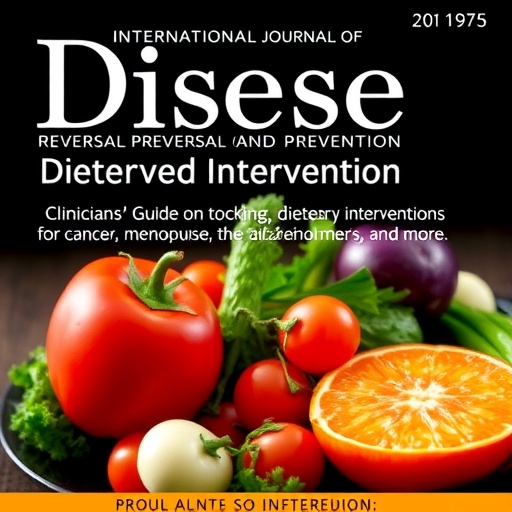
In a landmark gathering that underscored the critical intersection of nutrition and medical science, the 13th annual International Conference on Nutrition in Medicine (ICNM) convened from August 14 to 16, 2025, in Washington, D.C. This notable event, jointly hosted by the Physicians Committee for Responsible Medicine (PCRM) and the George Washington University School of Medicine and Health Sciences, attracted a global assembly of over two hundred healthcare professionals, including physicians, advanced practice clinicians, dietitians, pharmacists, and nutrition educators. These experts gathered to explore the evolving landscape of dietary interventions and their implications in the prevention and management of chronic diseases, with a keen focus on cancer, menopause, Alzheimer’s disease, and other pressing health challenges.
Central to the conference’s discourse was a series of rigorous presentations delivered by twenty-five distinguished nutrition scientists and clinicians whose reputations span academic medicine and clinical practice worldwide. Among them, Christopher P. Gardner, PhD, Rehnborg Farquhar Professor of Medicine at Stanford University, and Kristi Funk, MD, medical director of the Pink Lotus Breast Center, provided cutting-edge insights into the mechanistic and epidemiologic underpinnings of diet-related disease modulation. Additionally, Edward Giovannucci, MD, ScD, from the Harvard T.H. Chan School of Public Health, illuminated the role of specific dietary patterns in modulating prostate cancer risk and progression, enriching the conference’s scientific narrative with evidence-based perspectives.
Dr. Giovannucci’s presentation, titled “What Role Does Nutrition Play in Prostate Cancer?,” delved into data drawn from large-scale prospective cohort studies that dissect the complex interactions between diet and oncologic outcomes. He emphasized the protective associations of plant-based foods, specifically whole grains, leafy greens, fruits, tomatoes rich in lycopene, and habitual coffee consumption, with markedly reduced risk of fatal prostate cancer. Contrastingly, the consumption of dairy products, particularly low-fat variants, was correlated with increased incidence of lethal prostate malignancy. These findings reaffirm the nuanced role of macro- and micronutrient profiles in oncogenesis, prompting a deeper inquiry into phytochemical bioavailability, metabolic pathways, and gene-diet interactions in cancer therapeutics.
The discourse on dietary supplements was critically examined by Dr. Gemma Newman of the UK’s National Health Service. In an era characterized by an expanding $300 billion global market for nutritional supplements, Dr. Newman presented a cautionary framework advocating a “food-first” approach rooted in lifestyle medicine principles. She argued that while supplementation may be warranted to correct specific nutritional deficiencies or address physiological demands during distinct life stages, the routine use of supplements among the general population lacks robust evidence for efficacy. Emphasizing precision nutrition, her presentation delineated the imperative for clinicians to integrate high-quality whole foods—particularly those high in plant-derived nutrients—as foundational to both preventive and therapeutic strategies.
Beyond oncologic nutrition, the conference canvassed a spectrum of topics including cholesterol management through dietary intervention, the biochemical roles of omega-6 and omega-3 polyunsaturated fatty acids, and the impacts of nutrition on skin health and systemic inflammation. These sessions underscored the intricate, pleiotropic roles of specific nutrients and dietary patterns in modulating physiological homeostasis and disease susceptibility. The evidence highlighted the necessity for a paradigm shift from isolated nutrient supplementation toward comprehensive dietary frameworks that consider food synergy and metabolic context.
The conference was inaugurated by Mitchell Katz, MD, an influential figure in healthcare leadership and editor of JAMA Internal Medicine, whose opening remarks highlighted the transformative potential of nutrition science as a cornerstone of modern medical practice. Dr. Katz underscored the importance of disseminating current, rigorously validated nutrition knowledge to healthcare providers, ensuring that dietary guidance is grounded in scientific consensus and personalized patient care principles rather than commercial interests or anecdotal claims.
Participants were provided access not only to presentations but also to practical workshops and discussions designed to translate research findings into actionable clinical protocols. This experiential learning emphasized the role of interdisciplinary collaboration among dietitians, clinicians, and health coaches to optimize patient outcomes through individualized nutrition counseling, patient education, and community engagement. The conference thereby served as a catalyst for integrating nutritional science more deeply into routine clinical workflows and medical education curricula.
The significance of the ICNM extends beyond its annual convening, as its findings were consolidated and disseminated through a comprehensive summary published on March 26, 2026, in the International Journal of Disease Reversal and Prevention. This publication allows for broader accessibility of emerging evidence and expert consensus, thus amplifying the conference’s influence on clinical practice patterns worldwide. The paper, rigorously employing content analysis methodologies, synthesizes the research themes and clinical guidelines presented, providing a vital resource for ongoing professional development in nutrition-informed medicine.
Continuing education opportunities were also a focal point of the conference, with participants eligible to earn up to 20.75 continuing education credits. This underscores the commitment of the ICNM assembly to fostering lifelong learning among healthcare professionals, equipping them with the latest scientific insights and clinical tools necessary for integrating nutrition into comprehensive patient care models.
Looking ahead, the organization invites medical and allied health professionals to the forthcoming 2026 International Conference on Nutrition in Medicine. With an evolving agenda poised to incorporate novel discoveries in nutritional biochemistry, metabolomics, and personalized medicine, the event promises to remain the premier platform for advancing nutrition science in clinical practice. Registration details and further information are available at PCRM.org/ICNM, opening the door for a new generation of healthcare leaders to champion nutrition’s role in disease prevention and management.
In essence, the 2025 ICNM not only reinforced the fundamental notion that “what’s on your plate matters,” but also propelled the discourse into an era of precision, evidence-based nutritional therapeutics. By bridging rigorous scientific inquiry with clinical applicability, the conference stands as a beacon guiding healthcare towards more holistic, integrative interventions—shaping a future where diet is recognized as a pivotal determinant of healthspan and disease reversal.
News Publication Date:
26-Mar-2026
Web References:
https://PCRM.org/ICNM
References:
International Journal of Disease Reversal and Prevention, DOI: 10.22230/ijdrp.2019v1n1a43
Cite Scienmag News
Daisy Hatcher. (March 26, 2026). New Issue of International Journal of Disease Reversal and Prevention Features Clinicians’ Guide on Cutting-Edge Dietary Interventions for Cancer, Menopause, Alzheimer’s, and More. Scienmag. https://scienmag.com/new-issue-of-international-journal-of-disease-reversal-and-prevention-features-clinicians-guide-on-cutting-edge-dietary-interventions-for-cancer-menopause-alzheimers-and-more/
Daisy Hatcher. "New Issue of International Journal of Disease Reversal and Prevention Features Clinicians’ Guide on Cutting-Edge Dietary Interventions for Cancer, Menopause, Alzheimer’s, and More." Scienmag, 26 March 2026, https://scienmag.com/new-issue-of-international-journal-of-disease-reversal-and-prevention-features-clinicians-guide-on-cutting-edge-dietary-interventions-for-cancer-menopause-alzheimers-and-more/. Accessed 3 September 2026.
Daisy Hatcher. "New Issue of International Journal of Disease Reversal and Prevention Features Clinicians’ Guide on Cutting-Edge Dietary Interventions for Cancer, Menopause, Alzheimer’s, and More." Scienmag. March 26, 2026. https://scienmag.com/new-issue-of-international-journal-of-disease-reversal-and-prevention-features-clinicians-guide-on-cutting-edge-dietary-interventions-for-cancer-menopause-alzheimers-and-more/


