


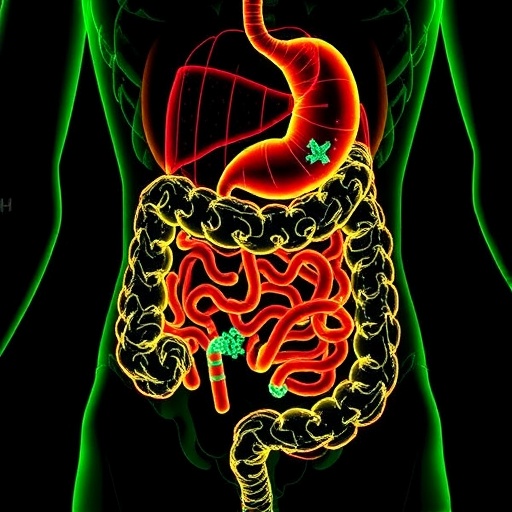
In a pivotal advancement for inflammatory bowel disease (IBD) research, a recent study led by Mayo Clinic scientists reveals that vitamin D supplementation may play a critical role in modulating immune responses to gut microbiota in affected individuals. The groundbreaking findings, published in the reputable journal Cell Reports Medicine, provide a sophisticated multi-omics perspective on how vitamin D influences immune-gut microbiome interactions, potentially opening new therapeutic avenues for this chronic and often debilitating condition.
Inflammatory bowel disease, encompassing both Crohn’s disease and ulcerative colitis, affects millions globally. It is characterized by an inappropriate immune response to intestinal microorganisms that ordinarily coexist harmlessly with the host. This dysregulation results from a breakdown in immune tolerance — the immune system’s failure to recognize these bacteria as benign — leading to persistent inflammation, tissue damage, and a host of gastrointestinal symptoms. Despite numerous therapies designed to reduce inflammation, strategies to restore immune homeostasis in the gut remain elusive.
The study, spearheaded by Dr. John Mark Gubatan, a Mayo Clinic gastroenterologist, provides vital new insight into the interplay between vitamin D levels and immune system regulation within the gastrointestinal environment. Prior investigations have implicated vitamin D insufficiency in the exacerbation of autoimmune and inflammatory disorders, but this work uniquely elucidates the mechanistic pathways through which vitamin D may recalibrate immune recognition of gut microbes.
Researchers enrolled 48 IBD patients exhibiting documented vitamin D deficiency and administered standardized weekly supplements over a 12-week period. Utilizing cutting-edge sequencing technologies, the team conducted comprehensive analyses of blood and stool samples collected before and after supplementation. These advanced techniques allowed for a nuanced mapping of immunological markers and gut microbiome composition, capturing real-time shifts in host-microbe interactions.
Post-supplementation data revealed a significant elevation in immunoglobulin A (IgA) levels—an antibody class closely associated with mucosal immunity and microbial neutralization without provoking inflammation. Conversely, there was a notable decrease in immunoglobulin G (IgG), an isotype often linked to inflammatory pathways and tissue damage in autoimmune contexts. This shift suggests vitamin D fosters a more protective, tolerogenic immune profile in the gut.
Further multi-omics interrogation uncovered upregulated signaling pathways tied to regulatory immune cells, specifically T regulatory (Treg) cells, which are crucial in dampening inflammatory responses and maintaining intestinal immune equilibrium. These findings underscore vitamin D’s role in enhancing immune-regulatory circuits, potentially mitigating the pathogenic inflammatory cascades typical in IBD.
Importantly, improvements were not limited to immunological markers; researchers observed favorable changes in clinical disease activity indices alongside reductions in fecal calprotectin, a non-invasive biomarker indicative of intestinal inflammation. These clinical signals point to a tangible benefit of vitamin D in ameliorating disease severity, although causality remains to be definitively established given the study’s design limitations.
Dr. Gubatan emphasizes that while results are promising, the study was not a randomized controlled trial, and participants’ vitamin D dosing was standardized but not individualized. “These preliminary data present encouraging evidence that vitamin D supplementation may reestablish immune homeostasis in IBD patients with deficiency, yet large-scale, controlled studies are imperative to validate these findings and optimize therapeutic regimens,” he noted.
The complexity of immune-gut microbiome dynamics illuminated by this research reinforces the importance of personalized medicine approaches. Vitamin D supplementation, while accessible and inexpensive, requires careful dosing considerations, especially in the context of chronic inflammation where metabolic and absorption factors may vary widely. Patients should therefore coordinate closely with healthcare providers rather than self-managing vitamin D use.
This study seamlessly integrates multi-omics methodologies—genomics, transcriptomics, proteomics, and metabolomics—highlighting the power of interdisciplinary science to unravel sophisticated biological networks underpinning disease. By capturing comprehensive molecular snapshots before and after intervention, the research identifies mechanistic correlates that bridge molecular immunology and clinical outcomes.
Looking forward, these insights open the door to innovative therapeutics targeting not just inflammation suppression but immune tolerance restoration. Modulating vitamin D pathways could serve as an adjunct or even a cornerstone in IBD management, addressing the root cause of dysregulated mucosal immunity rather than solely mitigating symptoms.
The research was supported by prestigious funding bodies including the Doris Duke Physician Scientist Fellowship Award, the Chan Zuckerberg Biohub Physician Scientist Scholar Award, and the National Institutes of Health (NIH) through the NIDDK Loan Repayment Program. Such backing underscores the scientific and clinical community’s recognition of the critical need for breakthroughs in immune modulation strategies for IBD.
While much remains to be explored, this study significantly advances the understanding of how micronutrients like vitamin D can harness the host’s immune architecture to restore balance within the gut ecosystem. As the gut microbiome and immune system emerge as intertwined determinants of health and disease, these findings represent a compelling stride towards precision medicine that holistically considers diet, immunity, and microbial ecology.
In sum, the Mayo Clinic-led research offers a compelling narrative: vitamin D is more than a nutrient—it is a pivotal immune modulator with the potential to reshape the therapeutic landscape of inflammatory bowel disease. With further validation, vitamin D supplementation could emerge as a low-cost, safe, and biologically rational adjunct to conventional therapies, moving the field closer to long-term remission and quality of life improvements for millions worldwide living with IBD.
News Publication Date: 26-Mar-2026
Web References:
- Mayo Clinic Vitamin D Information: https://www.mayoclinic.org/drugs-supplements-vitamin-d/art-20363792
- Inflammatory Bowel Disease Overview: https://www.mayoclinic.org/diseases-conditions/inflammatory-bowel-disease/symptoms-causes/syc-20353315
- Cell Reports Medicine Journal: https://www.cell.com/cell-reports-medicine/home
References: DOI: 10.1016/j.xcrm.2026.102703
Cite Scienmag News
Morgan Morrow. (March 26, 2026). Vitamin D’s Role in Modulating Immune Response to Gut Microbiome in Inflammatory Bowel Disease. Scienmag. https://scienmag.com/vitamin-ds-role-in-modulating-immune-response-to-gut-microbiome-in-inflammatory-bowel-disease/
Morgan Morrow. "Vitamin D’s Role in Modulating Immune Response to Gut Microbiome in Inflammatory Bowel Disease." Scienmag, 26 March 2026, https://scienmag.com/vitamin-ds-role-in-modulating-immune-response-to-gut-microbiome-in-inflammatory-bowel-disease/. Accessed 4 September 2026.
Morgan Morrow. "Vitamin D’s Role in Modulating Immune Response to Gut Microbiome in Inflammatory Bowel Disease." Scienmag. March 26, 2026. https://scienmag.com/vitamin-ds-role-in-modulating-immune-response-to-gut-microbiome-in-inflammatory-bowel-disease/


