


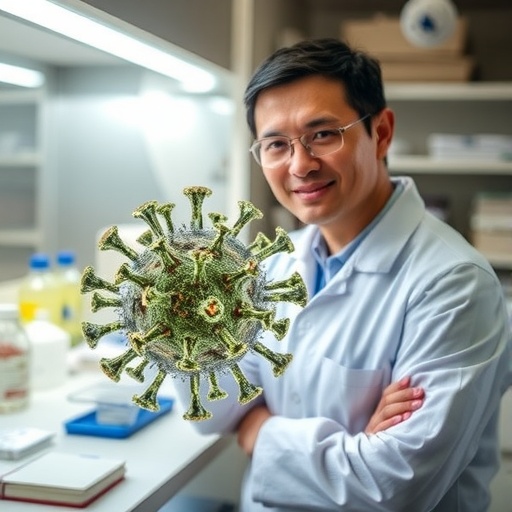
Researchers at the University of Illinois Chicago (UIC) have unveiled a promising breakthrough in the fight against herpes simplex virus type 1 (HSV-1), a pervasive viral infection notorious for its resilience and resistance to existing treatments. By repurposing doxorubicin, a well-established chemotherapy drug primarily used in oncology, the research team has demonstrated its remarkable efficacy in combating strains of HSV-1 that are resistant to conventional antiviral therapies. This innovative approach offers a new frontier in treating herpes infections that have long posed significant therapeutic challenges, particularly for immunocompromised populations.
HSV-1 infections can lead to severe clinical complications, including encephalitis, an inflammation of the brain, and multi-organ failure, especially in individuals with weakened immune systems such as cancer patients undergoing treatment. The emergence of drug-resistant viral strains has further complicated the management of HSV-1 infections, demanding novel strategies to counteract these resilient viral forms. Recognizing this urgent need, UIC scientists leveraged computational drug discovery tools to identify new antiviral candidates from the existing pharmacopeia, accelerating the pathway from laboratory discovery to clinical application.
Central to this research is the deployment of HerpDock, a sophisticated digital screening platform developed in 2024 by the Shukla laboratory. HerpDock systematically analyzes chemical libraries to pinpoint molecules with potential activity against herpes viruses. Through this technology, doxorubicin emerged as a potent contender due to its established safety profile and well-characterized pharmacodynamics and pharmacokinetics. The identification of doxorubicin presents a significant advantage: the drug’s FDA approval status can dramatically expedite its transition to antiviral clinical use, bypassing much of the lengthy safety validation required for novel compounds.
Doxorubicin’s antiviral mechanism diverges notably from traditional antivirals like acyclovir, which target viral DNA synthesis. Instead, doxorubicin disrupts the host cell signaling pathway known as PI3K–AKT–mTOR, a crucial axis co-opted by HSV-1 to facilitate viral entry and replication within human cells. By inhibiting this pathway, doxorubicin effectively halts the virus’s ability to hijack cellular machinery, thereby preventing infection and subsequent viral propagation. This host-targeted strategy minimizes the likelihood of the virus developing resistance, a significant limitation of direct-acting antivirals.
Experimental validation of doxorubicin’s antiviral properties encompassed a comprehensive range of preclinical models. In vitro cell cultures demonstrated robust inhibition of multiple HSV-1 strains, including variants resistant to acyclovir. Furthermore, organotypic tissue models confirmed the drug’s capacity to prevent viral spread in complex, three-dimensional cellular environments that more accurately mimic human tissue architecture. Complementary in vivo studies in murine models corroborated these findings, revealing significant reductions in viral load and improved survival outcomes following treatment with doxorubicin.
An additional therapeutic advantage of doxorubicin lies in its synergistic potential when used in combination with acyclovir. Given acyclovir’s nephrotoxic side effects at high concentrations, the paired administration of doxorubicin allows for reduced dosing of acyclovir, thereby mitigating its adverse renal effects while maintaining antiviral efficacy. This combination therapy approach could lead to safer, more tolerable treatment regimens, particularly valuable for patients with preexisting kidney vulnerabilities.
The collaborative nature of this breakthrough was underscored by the diverse expertise within the UIC research team. Led by virologist Dr. Deepak Shukla, the team integrated computational biology, pharmacology, and virology to bridge the gap between theoretical prediction and experimental confirmation. Postdoctoral researcher Pankaj Sharma highlighted the importance of this multi-faceted approach, noting that doxorubicin’s mode of action represents a paradigm shift in herpes treatment by targeting host cell pathways rather than the virus itself.
Graduate researcher Divya Kapoor reflected on the translational impact of the project, emphasizing the broader implications for patient care beyond the laboratory. The work holds promise for improving outcomes not only for those suffering from drug-resistant HSV-1 infections but also for cancer patients who may already be receiving doxorubicin as part of their chemotherapy regimens. This dual therapeutic potential underscores the significance of drug repurposing in modern medicine, where existing drugs can be redirected to address unmet clinical needs rapidly and cost-effectively.
The researchers acknowledge that while these findings are highly encouraging, further clinical trials are necessary to evaluate doxorubicin’s safety and efficacy as an antiviral in human subjects. Ongoing studies will focus on optimizing dosing protocols, assessing long-term outcomes, and exploring the molecular intricacies of PI3K–AKT–mTOR pathway inhibition in the context of viral infections. The ability to shorten the timeline from bench to bedside by leveraging FDA-approved drugs like doxorubicin presents a critical advantage in responding to emerging and resistant viral pathogens.
This discovery heralds a new era in antiviral therapeutics, where the repurposing of oncology drugs can provide rapid, effective solutions to pervasive infectious diseases. The convergent use of computational screening technologies and multidisciplinary scientific collaboration promises to unearth further hidden potentials within the existing pharmacopeia. As the global burden of viral infections continues to rise, innovative strategies such as this are pivotal for advancing public health and patient care.
The implications extend beyond HSV-1 treatment, potentially informing antiviral strategies against a wide array of viral pathogens that exploit host cellular pathways similar to PI3K–AKT–mTOR. This host-directed approach could redefine therapeutic paradigms, reduce the emergence of resistance, and improve clinical outcomes across diverse viral diseases. The UIC team’s work represents a beacon of hope, illuminating pathways not only for combating herpes infections but also for addressing the broader challenges posed by drug-resistant viral infections worldwide.
UIC’s continuing research and development initiatives strive to deepen understanding of virus-host interactions and identify novel intervention points. The story of doxorubicin’s antiviral resurrection exemplifies how melding computational innovation with experimental rigor can unlock transformative medical advances. It is a testament to the power of scientific ingenuity in repurposing familiar tools to tackle new threats, offering hope for millions affected by persistent and resilient herpesvirus infections.
— Jenna Kurtzweil
News Publication Date: [Not provided]
Web References:
- Publication in Drug Resistance Updates: https://www.sciencedirect.com/science/article/pii/S1368764626000130?via%3Dihub
- HerpDock tool description: https://pubmed.ncbi.nlm.nih.gov/39507821/
References:
- Shukla D, et al. (2024). “HerpDock: A digital tool for detecting antiviral candidates.” [Journal details from PubMed]
Cite Scienmag News
Nathaniel Bowman. (March 25, 2026). UIC Research Finds Cancer Drug Effective Against Herpes as Well. Scienmag. https://scienmag.com/uic-research-finds-cancer-drug-effective-against-herpes-as-well/
Nathaniel Bowman. "UIC Research Finds Cancer Drug Effective Against Herpes as Well." Scienmag, 25 March 2026, https://scienmag.com/uic-research-finds-cancer-drug-effective-against-herpes-as-well/. Accessed 4 September 2026.
Nathaniel Bowman. "UIC Research Finds Cancer Drug Effective Against Herpes as Well." Scienmag. March 25, 2026. https://scienmag.com/uic-research-finds-cancer-drug-effective-against-herpes-as-well/


