

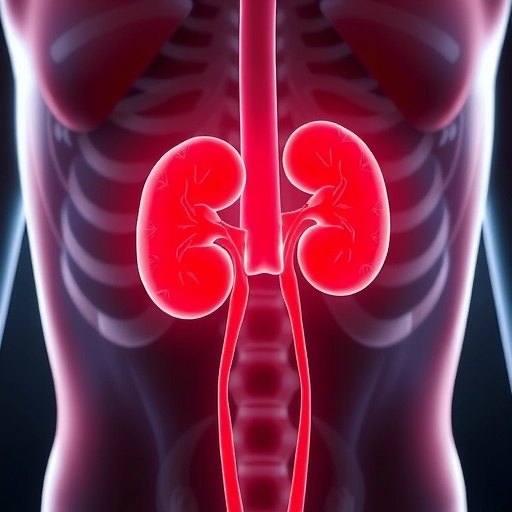
Chronic Kidney Disease (CKD) poses a significant global health challenge, with its multifaceted complications contributing to morbidity and mortality. Among these, metabolic acidosis—a condition characterized by a decreased serum bicarbonate concentration—has emerged as a critical yet frequently overlooked metabolic disturbance in CKD. Recent research based on comprehensive registry data in Japan has uncovered a profound deficiency in the routine clinical assessment of acid-base status in CKD patients, unveiling a silent epidemic of underdiagnosed and undertreated metabolic acidosis.
Metabolic acidosis in CKD arises primarily because impaired renal function diminishes the kidney’s ability to excrete hydrogen ions and regenerate bicarbonate. This acid-base imbalance accelerates pathological processes including muscle catabolism, bone demineralization, and insulin resistance, exacerbating CKD progression and increasing cardiovascular risk. Expert clinical guidelines advocate for regular serum bicarbonate monitoring, particularly initiating therapeutic interventions once levels fall below the critical threshold of 22 mEq/L, to mitigate these adverse sequelae. Despite these recommendations, real-world adherence to bicarbonate measurement protocols remains poorly characterized, particularly within Asia.
A landmark investigation spearheaded by Mai Tanaka and collaborators has leveraged the extensive Japan Chronic Kidney Disease Database Extension (JCKDDBEx), encompassing data from over 21 university hospitals between 2014 and 2021, to rigorously evaluate current diagnostic and treatment paradigms in CKD stages 3a through 4. Strikingly, their analysis revealed that less than 10% of eligible patients underwent serum bicarbonate testing annually, a rate persistently stable yet alarmingly low across the eight-year observation period. This deficiency suggests entrenched systemic barriers that hinder appropriate metabolic acidosis evaluation within nephrology care frameworks.
The repercussions of sparse bicarbonate measurement are far-reaching. Aggregate data that neglect biochemical acid-base assessment grossly underestimate the prevalence of metabolic acidosis in CKD populations. In contrast, when focusing solely on individuals who received bicarbonate level assessments, nearly 50% met criteria indicative of clinically significant metabolic acidosis, with higher prevalence correlated to advancing CKD stages. This stark disparity underscores that the invisibility of metabolic acidosis in routine clinical metrics does not reflect true disease rarity but rather diagnostic oversight.
Perhaps more concerning is the glaring gap between detection, diagnosis, and effective management. Among patients identified with serum bicarbonate below 22 mEq/L, only a fraction—approximately 8.6%—were formally diagnosed with metabolic acidosis, and even fewer, around 7.5%, received alkali therapy, predominantly sodium bicarbonate supplementation. Such underdiagnosis and undertreatment highlight profound deficiencies in clinical workflow integration, pointing toward missed opportunities to arrest the cascade of acid-mediated kidney injury.
This phenomenon is not restricted to Japan. Large-scale real-world analyses encompassing North American cohorts led by Abramowitz and Whitlock echo these findings, revealing that metabolic acidosis frequently eludes recognition in administrative and clinical records. Less than one-fifth of patients eligible for alkali therapy are treated, which together with dietary acid load exacerbates acid retention and fosters tubulointerstitial fibrosis—a pathological substrate critically involved in CKD progression. These parallel international data sets illuminate a pervasive global pattern of metabolic acidosis neglect.
Guidelines promulgated by leading nephrology societies, including the Japanese Society of Nephrology, unequivocally recommend regular biochemical surveillance and correction of acid-base abnormalities to maintain serum bicarbonate levels at or above 22 mEq/L. This therapeutic goal is supported by a robust evidence base demonstrating that alkali supplementation and dietary interventions can slow decline in glomerular filtration rate (GFR), mitigate bone resorption, and improve nutritional status. Yet, the stubbornly low frequency of bicarbonate testing and subsequent intervention reveals a disconnect between theoretical frameworks and routine nephrology practice.
Cost and accessibility do not justify this care gap. Serum bicarbonate measurement is an inexpensive, widely available assay that can be seamlessly incorporated into standard CKD monitoring panels without imposing significant financial burden. The primary impediment appears to be a pervasive lack of awareness among clinicians regarding the prevalence and clinical importance of metabolic acidosis in CKD, compounded by competing priorities within complex patient management regimens.
Recognizing metabolic acidosis as a modifiable risk factor presents an invaluable opportunity for systemic quality improvement in CKD care. Proactive, consistent assessment of serum bicarbonate could transform the diagnostic landscape, leading to earlier detection and timely initiation of therapeutic interventions. Given the steady increase in CKD prevalence worldwide, especially in aging populations, improving metabolic acidosis recognition holds promise for reducing complications and enhancing patient outcomes on a broad scale.
Ultimately, these findings challenge the nephrology community to reassess routine care algorithms and prioritize acid-base monitoring as an integral component of comprehensive CKD management. Closing the assessment gap could yield substantial clinical benefits by preventing the insidious progression of metabolic complications that accelerate renal decline. This paradigm shift requires concerted educational initiatives, refinement of clinical guidelines into actionable protocols, and integration of serum bicarbonate testing into automated laboratory panels.
The study by Tanaka et al. sends forth a compelling message: metabolic acidosis in CKD is not a rare clinical anomaly but rather a prevalent and consequential condition obscured by insufficient measurement and vigilance. By illuminating this neglected aspect of CKD management, the research invites nephrologists and health systems worldwide to institute proactive screening strategies that translate into improved care trajectory for millions affected by chronic kidney dysfunction.
News Publication Date:
January 13, 2026
Web References:
http://dx.doi.org/10.1038/s41598-026-35335-6
Cite this news
SCIENMAG. (March 17, 2026). Silent Acid Imbalance in Kidney Disease Signals Alarming Health Risks. https://scienmag.com/silent-acid-imbalance-in-kidney-disease-signals-alarming-health-risks/
SCIENMAG. "Silent Acid Imbalance in Kidney Disease Signals Alarming Health Risks." Scienmag, 17 March 2026, https://scienmag.com/silent-acid-imbalance-in-kidney-disease-signals-alarming-health-risks/. Accessed 28 August 2026.
SCIENMAG. "Silent Acid Imbalance in Kidney Disease Signals Alarming Health Risks." Scienmag. March 17, 2026. https://scienmag.com/silent-acid-imbalance-in-kidney-disease-signals-alarming-health-risks/


