


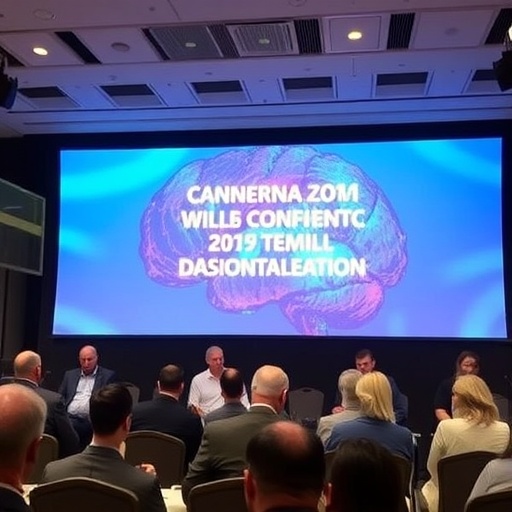
The upcoming International Conference on Assisted Dying and Other End of Life Care (ICEL5), set to take place at Queensland University of Technology (QUT) next month, promises to be a pivotal gathering for global experts addressing the multifaceted dimensions of voluntary assisted dying (VAD). This conference unites researchers, clinicians, and policymakers from around the world, encompassing participants from countries as diverse as Australia, The Netherlands, Canada, Belgium, the United States, Spain, New Zealand, Switzerland, and Sri Lanka. Presented over four days, the event will delve into critical, and often contentious, issues surrounding assisted dying, featuring more than 130 expert presentations targeting the complex array of ethical, legal, social, and medical topics central to end-of-life care.
A defining focus of the conference is the challenge posed by dementia in the context of VAD legislation and implementation. A plenary session entitled “Dementia and Assisted Dying: International Perspectives on Advance Requests” highlights the emerging global discourse on whether individuals diagnosed with dementia should be eligible for assisted dying, particularly through mechanisms such as advance directives. This dialogue is of paramount importance as dementia progresses to cognitive decline phases that preclude informed consent, raising profound ethical and practical questions. Leading experts from Canada and The Netherlands will contribute their national and research-based insights into the evolving frameworks that seek to balance autonomy with protection from vulnerability.
The inclusion of caregivers and persons living with dementia in these discussions is another significant development aimed at centering lived experiences within policy debates. A notable presentation by QUT Research Fellow and PhD candidate Casey Haining will bring forward the perspectives of both individuals with dementia and their carers, highlighting the nuanced needs, fears, and values that must shape compassionate and just approaches to assisted dying. This participatory research approach signals a shift toward more inclusive policymaking that respects patient and family voices amidst clinical and legislative decision-making.
Beyond dementia, the conference will rigorously examine the contentious issue of conscientious objections by doctors and healthcare facilities. This topic probes the boundaries between the ethical obligations of medical professionals and institutions concerning VAD and their personal or organizational beliefs. Discussions will explore the extent to which health facilities can prohibit assisted dying on their premises and the implications this holds for patient access and equity in healthcare. These considerations are increasingly pressing as services scale amid evolving legal landscapes worldwide, necessitating clear guidance on balancing institutional conscience with patient rights.
Community attitudes towards VAD also form a critical research domain addressed during the conference. Understanding public sentiment, cultural beliefs, and socio-political factors that influence acceptance or resistance to assisted dying is crucial to crafting sustainable policies and effective communication strategies. Presentations in this area will shed light on polling data, qualitative studies, and comparative analyses across jurisdictions, offering vital insights into how societies negotiate the ethical terrains of autonomy, dignity, and moral pluralism at the end of life.
Another pioneering topic under examination is the intersection of organ donation and assisted dying. The burgeoning ethical frameworks around whether organ donation should be permitted following VAD proceedings push the boundaries of traditional bioethics, involving considerations such as organ viability, consent parameters, and the implications for transplantation systems. The conference will deliberate on the medical protocols and legal safeguards necessary to ensure that organ donation post-VAD honors the donor’s wishes while maintaining clinical and ethical rigor.
The eligibility of minors for VAD remains a deeply controversial issue slated for discussion. Here, the conference will dissect the complex ethical, developmental, and legal arguments related to extending assisted dying to individuals below the age of majority. This conversation intersects with broader debates on capacity, vulnerability, societal protection, and evolving conceptions of autonomy, inviting interdisciplinary perspectives from law, psychology, and clinical practice.
Indigenous perspectives on assisted dying are also receiving unprecedented attention at ICEL5, recognizing the importance of culturally grounded understandings of death, dying, and medical interventions. These sessions aim to elucidate how indigenous communities interpret and respond to VAD, including the social, spiritual, and historical contexts that inform their views. Such culturally sensitive inquiry is essential for ensuring that health policies related to assisted dying are equitable and responsive to the diversity of values among Australia’s First Nations peoples and beyond.
Addressing the psychosocial dimensions of VAD, the conference will include discussions around bereavement care and support for the relatives of individuals who undergo assisted dying. Recognizing that families experience unique grieving processes influenced by complex ethical emotions, stigma, and societal attitudes, this focus highlights the need for comprehensive support frameworks to foster healing and resilience among survivors.
Pharmacists’ ethical challenges in the context of VAD constitute another nuanced topic featuring in the conference agenda. Pharmacists play a crucial role in the procurement and dispensation of medications used in assisted dying, yet they navigate an array of ethical dilemmas concerning consent, participation, and conscientious objection. The conference will explore guidelines, professional responsibilities, and policy development to ensure pharmacists are adequately supported in this sensitive role.
Importantly, the conference also aims to tackle the operational dimension by addressing how VAD systems can be designed and maintained to operate safely and justly. This includes establishing regulatory frameworks, oversight mechanisms, and best practices that protect all stakeholders—including patients, healthcare providers, and families—ensuring equitable access while mitigating risks of malpractice or ethical breaches. The synthesis of research, clinical experience, and policy innovation at ICEL5 is anticipated to provide a roadmap for jurisdictions seeking to implement or enhance VAD legislation.
The breadth and depth of ICEL5 underscore the evolving complexity and urgency surrounding voluntary assisted dying, driven by demographic shifts, technological advancements, and societal change. As the debate navigates the balance between individual rights, public safety, and moral diversity, this international congregation stands as a vital platform for informed, evidence-based discussion, fostering collaboration across disciplines and borders.
Registration for the conference remains open to the public and media until March 23, inviting a diverse audience to engage with these pressing issues. With over 130 scheduled presentations, ICEL5 is positioned to significantly influence the trajectory of assisted dying discourse and policy development internationally. The Queensland University of Technology and its Australian Centre for Health Law Research demonstrate leadership in convening this landmark event, reinforcing their commitment to advancing research and legal scholarship in end-of-life care.
The outcomes of ICEL5 are poised to resonate far beyond the Queensland Gardens Point campus, contributing to the global narrative on how societies can ethically and pragmatically support individuals facing the most profound decisions of life and death. As legal frameworks evolve and medical technologies advance, the respectful integration of diverse perspectives and robust scientific inquiry will be indispensable to ensuring that assisted dying practices reflect the highest ethical standards and human dignity.
—
News Publication Date: Not provided
Web References:
– International Conference on Assisted Dying and Other End of Life Care (ICEL5): https://consol.eventsair.com/icel5/
– QUT End-of-Life Research Program: https://research.qut.edu.au/achlr/research-expertise/end-of-life/
– Australian Centre for Health Law Research: https://research.qut.edu.au/achlr/
Cite Scienmag News
Clara W. (March 13, 2026). Experts Discuss Dementia and VAD Law Challenges at QUT Science Conference. Scienmag. https://scienmag.com/experts-discuss-dementia-and-vad-law-challenges-at-qut-science-conference/
Clara W. "Experts Discuss Dementia and VAD Law Challenges at QUT Science Conference." Scienmag, 13 March 2026, https://scienmag.com/experts-discuss-dementia-and-vad-law-challenges-at-qut-science-conference/. Accessed 29 August 2026.
Clara W. "Experts Discuss Dementia and VAD Law Challenges at QUT Science Conference." Scienmag. March 13, 2026. https://scienmag.com/experts-discuss-dementia-and-vad-law-challenges-at-qut-science-conference/


