


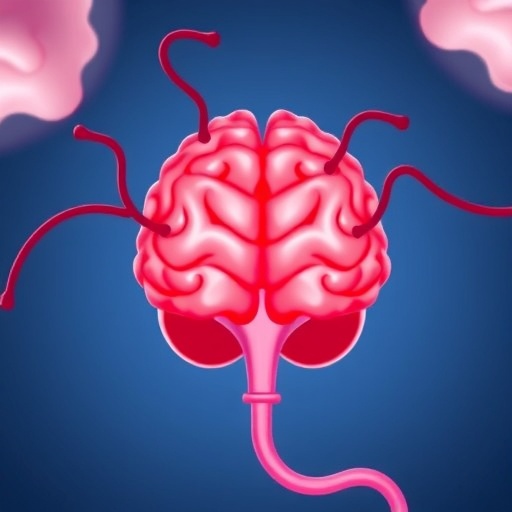
A novel surgical approach known as lymphovenous anastomosis (LVA) is emerging as a potential treatment for Alzheimer’s disease (AD), shedding new light on how brain lymphatic system dysfunction contributes to neurodegeneration. This minimally invasive procedure, traditionally employed to alleviate lymphedema, is now being investigated for its ability to restore proper lymphatic flow in the brain, a vital factor in clearing harmful neurotoxic substances associated with AD pathology.
At the core of AD are the accumulation of amyloid-beta plaques and tau protein tangles that impair neuronal function. Recent neuroscientific advances have highlighted the importance of the brain’s glymphatic system—an interconnected network of glial cells and lymphatic vessels responsible for waste clearance during sleep. Dysfunction in this glymphatic clearance pathway is increasingly recognized as a crucial contributor to neurodegenerative changes witnessed in AD patients. Unlike earlier pharmacologic interventions aimed at mitigating pathological protein deposits, LVA offers a mechanical solution by improving lymphatic drainage directly.
Lymphovenous anastomosis involves microsurgical techniques that join lymphatic vessels to adjacent veins, enabling a bypass of obstructed or impaired lymphatic channels. This reconnection facilitates enhanced fluid flow and toxin clearance, which could theoretically reverse or slow cognitive decline. Plastic and reconstructive surgeons have pioneered the refinement of these microsurgical procedures, leveraging their extensive expertise in fine vessel anastomosis and head and neck anatomy to adapt LVA for neurological applications.
Initial clinical observations indicate that subjects with mild to moderate Alzheimer’s who undergo LVA exhibit notable improvements in cognitive assessment scores and functional capabilities. These functional gains, observed in both mental and physical domains, are sometimes dramatic and correspond with evidence of increased efficiency in glymphatic-mediated clearance. Such findings suggest that brain lymphatic dysfunction is not merely a secondary effect of neurodegeneration but a potentially reversible contributor to disease progression.
However, the translational journey from lymphedema treatment to Alzheimer’s therapy is a complex one. Researchers have identified several critical parameters essential for validating LVA’s efficacy in neurodegenerative contexts. Careful patient selection is paramount, necessitating rigorous diagnostic confirmation of AD and stratification by disease stage. Surgical protocols must be standardized, including preoperative imaging to precisely map the lymphatic and venous anatomy for optimal anastomosis placement.
Robust outcome metrics are equally essential. Objective cognitive testing should be paired with quantitative assessments of lymphatic function and flow dynamics to draw clear mechanistic correlations. Moreover, the underlying biological pathways linking enhanced glymphatic clearance to neurocognitive improvement warrant further elucidation through molecular and imaging studies. Understanding these pathways could unlock targeted modifications enhancing LVA’s therapeutic potential.
As with any surgical intervention, comprehensively documenting risks and complications is crucial to ensure patient safety and surgical viability. While LVA is generally considered a low-risk procedure in lymphedema treatment, the delicate intracranial environment poses additional considerations including infection, vessel injury, or unintended inflammatory responses. Longitudinal studies are needed to monitor these variables proactively.
Given its novelty, LVA’s incorporation as a complement to existing pharmacotherapies hints at a paradigm shift in AD management. Current treatments largely mitigate symptom progression without addressing the root causes inherent in cerebrospinal and interstitial fluid clearance. By directly augmenting lymphatic outflow pathways, LVA may contribute a unique mechanism of action that complements biochemical and lifestyle interventions.
Beyond Alzheimer’s disease, this approach may hold promise for other neurodegenerative disorders sharing similar pathophysiological mechanisms involving impaired brain clearance systems. Parkinson’s disease, Huntington’s disease, and certain forms of dementia with Lewy bodies could potentially benefit from enhanced glymphatic functionality. This broader application underscores the pressing need for expansive clinical trials and interdisciplinary collaboration.
A pioneering study led by Singapore General Hospital in partnership with Duke-NUS Medical School and the National Neuroscience Institute suggests that with meticulous design, long-term multicenter studies can solidify LVA’s place in neurotherapeutics. The convergence of plastic surgery, neurology, and neuroimaging is critical to this effort, fostering innovations in surgical technique and outcome evaluation.
Ultimately, lymphovenous anastomosis represents a novel frontier not only in the treatment of Alzheimer’s but also in our understanding of the neurovascular unit’s role in brain health. As research advances, its potential to alter the neurodegenerative landscape offers hope to millions affected by these devastating conditions, promising improved quality of life through enhanced brain toxin clearance.
Cite Scienmag News
Cassandra Pierce. (February 26, 2026). Exploring Lymphovenous Bypass as a Promising Surgical Approach for Alzheimer’s Disease. Scienmag. https://scienmag.com/exploring-lymphovenous-bypass-as-a-promising-surgical-approach-for-alzheimers-disease/
Cassandra Pierce. "Exploring Lymphovenous Bypass as a Promising Surgical Approach for Alzheimer’s Disease." Scienmag, 26 February 2026, https://scienmag.com/exploring-lymphovenous-bypass-as-a-promising-surgical-approach-for-alzheimers-disease/. Accessed 4 September 2026.
Cassandra Pierce. "Exploring Lymphovenous Bypass as a Promising Surgical Approach for Alzheimer’s Disease." Scienmag. February 26, 2026. https://scienmag.com/exploring-lymphovenous-bypass-as-a-promising-surgical-approach-for-alzheimers-disease/


