


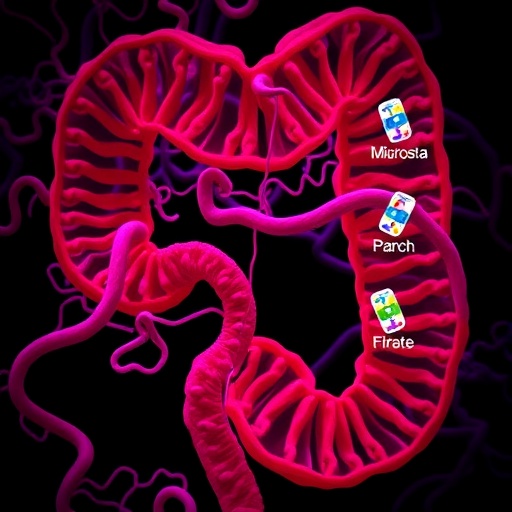
In a groundbreaking study soon to reshape our understanding of human health, researchers have unveiled the intricate and diverse ecosystem of tissue-resident microbiota that inhabits the human colon, exposing profound differences between healthy tissue, polyps, and colorectal cancer environments. This comprehensive analysis, published in Nature Communications, sheds new light on the complex interplay between microbial communities and colorectal carcinogenesis, suggesting that the micro-world residing within our tissues could hold the key to early detection, prevention, and novel treatments for one of the world’s deadliest cancers.
Colorectal cancer (CRC) ranks as a leading cause of cancer-related mortality globally, with its origins often rooted in the gradual transformation of normal colorectal mucosa through polyp formations into malignant tumors. While the genetic and environmental factors contributing to CRC have been extensively studied, the role of tissue-resident microbes—those distinct microbial populations embedded within the actual tissue rather than the gut lumen—has remained enigmatic. This pioneering investigation meticulously charts the landscape of these microscopic tenants across the spectrum of tissue states, revealing a narrative of microbial selection, adaptation, and influence within the colorectal microenvironment.
Employing cutting-edge sequencing technologies and spatial transcriptomics, the researchers profiled microbiota directly in resected tissue specimens from patients spanning healthy colon tissue, adenomatous polyps, and colorectal carcinomas. This unprecedented approach transcended traditional fecal microbiome studies by targeting bacteria and other microorganisms tightly adherent to or inside tissue compartments. The findings detail not only shifts in microbial diversity but also variations in species dominance, metabolic activity, and community interactions that correspond systematically with disease progression.
Central to the study was the discovery that normal colon tissue harbors a relatively balanced and diverse microbiota, composed predominantly of commensal bacteria known for their roles in maintaining epithelial integrity and immune modulation. In contrast, polyp tissues exhibited a discernible disruption in this balance, characterized by a decrease in beneficial taxa and the emergence of potentially pathogenic microbes. This altered microbiota profile in polyps mirrors early dysbiotic changes that may contribute to the initiation of carcinogenesis through mechanisms like inflammation and genotoxic metabolite production.
The transition from polyp to full-blown colorectal carcinoma marks a further evolution in the tissue-resident microbiota. Cancerous tissues demonstrated not only reduced overall microbial diversity but also a striking dominance of specific bacterial species linked to pro-tumorigenic activities. Notably, certain Fusobacterium and Bacteroides species were enriched within tumor tissues, aligning with previous reports associating these bacteria with tumor promotion via immune evasion and modulation of local metabolic environments. This phenomenon underscores the concept that the tumor microenvironment selects for microbes that facilitate cancer survival and progression.
Beyond taxonomic shifts, the study provides profound insights into the functional contributions of tissue-resident bacteria. Metagenomic and metatranscriptomic analyses revealed microbial gene expression patterns related to virulence factors, DNA damage induction, and suppression of anti-tumor immunity. These functional signatures were amplified in the polyp and cancerous states, suggesting that microbes are not merely passengers but active participants influencing epithelial transformation and tumor microenvironment remodeling.
One of the most striking revelations is the potential bidirectional relationship between tissue-resident microbiota and the host immune response. The study uncovered that the changing microbial communities shape local immune cell infiltration patterns, skewing responses toward an immunosuppressive milieu conducive to tumor growth. Conversely, the immune landscape within these tissues appears to exert selective pressures that favor colonization by certain microbial populations, creating a feedback loop that amplifies disease progression.
The implications of these findings are far-reaching for clinical oncology and microbiology alike. Tissue-resident microbiota profiles could serve as powerful biomarkers for early detection of colorectal neoplasia, enabling noninvasive screening strategies targeting microbial signatures. Moreover, therapeutic manipulation of these communities—through antibiotics, probiotics, or microbiota transplantation—opens novel avenues for intervening in carcinogenesis or augmenting existing treatments such as immunotherapy.
This research also prompts a paradigm shift in cancer biology, emphasizing that malignancy cannot be fully understood without accounting for its microbial ecosystem. The tumor should be considered an ecological niche, where host cells and microbes co-evolve, influencing not only the disease course but potentially its responsiveness to therapy. Future investigations will likely delve deeper into mechanistic studies to decipher causality and explore microbiota-targeted modalities in patient care.
Despite the exciting discoveries, the study acknowledges certain limitations, including the cross-sectional nature of the tissue analyses and the need for larger, longitudinal cohorts to validate causal relationships. Additionally, the complex interactions between diet, host genetics, and microbial colonization demand integrated multi-omic studies for a holistic understanding. Nonetheless, this foundational characterization provides a pivotal reference point for the burgeoning field of tissue microbiomics in oncology.
As research in this arena accelerates, the prospect of personalized medicine tailored not only to a patient’s genome but also to their unique tissue microbiota landscape is becoming increasingly tangible. This multifaceted approach could revolutionize how colorectal cancer is diagnosed, prevented, and treated, ultimately improving survival rates and quality of life for millions worldwide.
The thorough exploration of tissue-resident microbiota across normal, polyp, and colorectal cancer tissues stands as a testament to the intricate connections between humans and their microscopic inhabitants. It challenges us to rethink traditional concepts of cancer pathogenesis, highlighting the microbiome as both a sentinel and a co-conspirator in disease. With continued interdisciplinary efforts, the tiny organisms hidden within us may very well unlock outsized benefits for human health in the fight against cancer.
Cite Scienmag News
Morgan Morrow. (February 24, 2026). Tissue Microbiota Changes in Colorectal Cancer Progression. Scienmag. https://scienmag.com/tissue-microbiota-changes-in-colorectal-cancer-progression/
Morgan Morrow. "Tissue Microbiota Changes in Colorectal Cancer Progression." Scienmag, 24 February 2026, https://scienmag.com/tissue-microbiota-changes-in-colorectal-cancer-progression/. Accessed 6 September 2026.
Morgan Morrow. "Tissue Microbiota Changes in Colorectal Cancer Progression." Scienmag. February 24, 2026. https://scienmag.com/tissue-microbiota-changes-in-colorectal-cancer-progression/


