

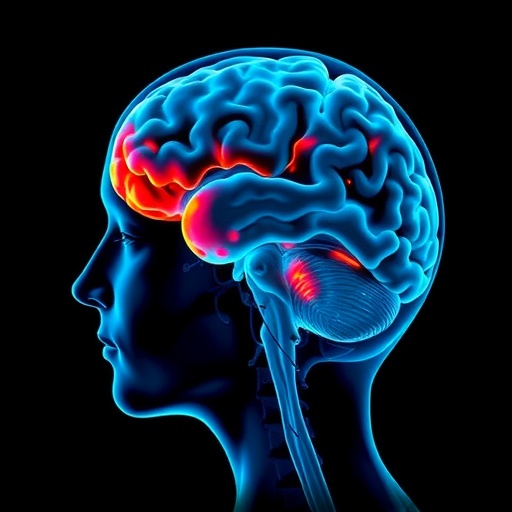
In a groundbreaking longitudinal study conducted by neuroscientists at the University of Seville, a transformative perspective on psychosis has emerged, underscoring the intricate and heterogeneous evolution of this complex neurological condition. Utilizing advanced neuroimaging techniques, the researchers meticulously examined the cerebral cortex of individuals undergoing their first psychotic episode, revealing that the trajectory of psychosis is far from monolithic. Instead, it is shaped by an intricate interplay of brain maturation, symptomatic expression, cognitive function, and treatment modalities, prompting a call for highly individualized therapeutic strategies aimed at optimizing patient outcomes.
Psychosis, characterized by a disconnection from reality manifested through hallucinations and delusions, is a hallmark feature of schizophrenia. Despite its clinical centrality, the condition presents with remarkable variability both in symptom severity and progression across patients. This heterogeneity has historically impeded the development of standardized interventions. The University of Seville’s research thus offers a crucial paradigm shift by demonstrating that the pathophysiology underpinning psychosis involves dynamic alterations in cortical brain structures, particularly during the critical window of the first episode.
The study’s neuroimaging data, derived from magnetic resonance images of 357 schizophrenia patients juxtaposed against a control cohort of 195 healthy individuals, elucidate a pronounced reduction in cortical volume at onset. Intriguingly, this atrophy predominantly affects regions with a high concentration of serotonin and dopamine receptors, neurotransmitters fundamentally implicated in psychosis’s neurochemical and pharmacological landscape. Such findings not only verify the crucial role of neurotransmitter systems but also implicate ancillary cellular constituents involved in neuroinflammatory and immunological mechanisms as key contributors to disease progression.
Considering treatment effects, longitudinal assessments over a decade provide compelling evidence that clinical interventions, particularly antipsychotic therapies, appear to mitigate cortical deterioration to some extent. However, the picture is nuanced; individuals receiving higher cumulative doses exhibit persistently detectable volumetric differences, sparking nuanced discussion regarding the causal ambiguity between medication dosage and brain structural changes. The correlation is interpreted not as an indictment of therapeutic agents but rather as an indicator of treatment necessity driven by symptom severity.
Cognitive impairments, encompassing deficits in attention, memory, and processing speed, emerge early in the illness course and remain a significant challenge. The research highlights a window of partial recovery concomitant with symptomatic stabilization, suggesting neuroplastic adaptations may be ongoing in the brain even after psychosis onset. Yet, this recuperative potential is attenuated in patients on higher antipsychotic dosages, underscoring the need for calibrated pharmacological management aligned with individual patient profiles.
Central to this research is the innovative application of percentile-based analytics to brain volume metrics. Borrowed conceptually from pediatric growth charts, this approach discerns deviations in regional cortical volumes with unprecedented granularity, marking a significant methodological advancement in neuropsychiatric imaging. This granular analysis enables a refined detection framework for identifying atypical neuroanatomical maturation trajectories in psychosis, offering clinicians a potential predictive tool for patient stratification and personalized care planning.
The study’s extensive longitudinal design represents one of the most comprehensive examinations of brain morphology evolution in psychosis to date, encompassing a 10-year follow-up period. This temporal depth affords a unique vantage point to correlate anatomical changes with clinical variables and cognitive performance over time, capturing the dynamic nature of disease progression and the impact of therapeutic interventions on neurodevelopmental pathways.
At the crux of the findings lies the recognition that psychosis, often construed as a static neurodegenerative condition, is in fact characterized by fluctuating biological processes responsive to treatment and environmental factors. This challenges traditional conceptualizations and advocates for a reconceptualization of psychosis management that transcends monolithic treatment protocols in favor of individualized regimens informed by multi-dimensional patient data, including neuroimaging biomarkers and cognitive assessments.
The implications of these findings extend beyond patient care, raising pivotal questions about the neurobiological substrates of psychosis and informing future drug development strategies. The affirmation of serotonin and dopamine receptor-rich regions as pivotal sites of cortical reduction reaffirms the relevance of targeted receptor modulators, while the involvement of immune-related cellular mechanisms opens avenues for adjunctive anti-inflammatory or immunomodulatory therapies.
Collaboratively led by Claudio Alemán Morillo and Rafael Romero García at the Neuroimaging and Brain Networks Laboratory, this research exemplifies the integration of cutting-edge neuroimaging with longitudinal clinical neuroscience. Their interdisciplinary methodology merges neuroanatomy, neurochemistry, and cognitive psychology, reflecting the multifaceted nature of psychosis and paving the way for precision psychiatry.
Published in the esteemed British Journal of Psychiatry, this seminal work not only enriches the scientific community’s understanding of brain maturation anomalies in psychosis but also offers clinicians actionable insights for tailoring interventions. It heralds a new era where treatment paradigms are dynamically adapted to individual neuropathological and cognitive profiles, optimizing therapeutic efficacy and improving long-term patient prognoses.
Ultimately, this pioneering study from the University of Seville represents a critical advancement in psychiatric neuroscience, emphasizing the necessity of personalized medicine in addressing the complex heterogeneity inherent in psychosis. By illuminating the biological substrates and cognitive trajectories unique to each individual, it lays the foundation for more effective, nuanced, and hopeful approaches to managing this debilitating mental health disorder.
News Publication Date: 11-Dec-2025
Web References: 10.1192/bjp.2025.10482
Cite Scienmag News
SCIENMAG. (February 20, 2026). Significant Changes in the Cerebral Cortex of Individuals with Psychosis. https://scienmag.com/significant-changes-in-the-cerebral-cortex-of-individuals-with-psychosis/
SCIENMAG. "Significant Changes in the Cerebral Cortex of Individuals with Psychosis." Scienmag, 20 February 2026, https://scienmag.com/significant-changes-in-the-cerebral-cortex-of-individuals-with-psychosis/. Accessed 28 August 2026.
SCIENMAG. "Significant Changes in the Cerebral Cortex of Individuals with Psychosis." Scienmag. February 20, 2026. https://scienmag.com/significant-changes-in-the-cerebral-cortex-of-individuals-with-psychosis/


