


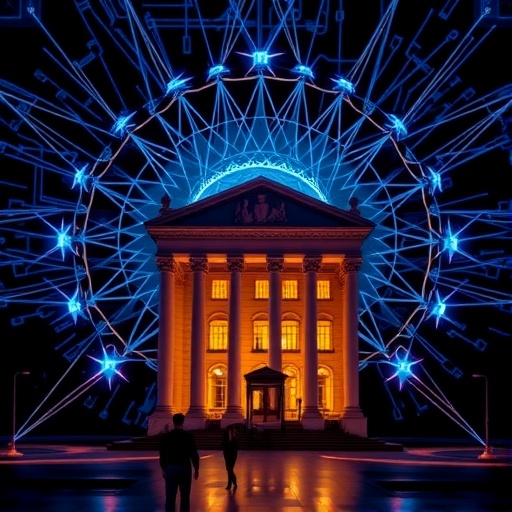
Columbia University has made a significant stride in the field of education with the announcement of its new Master of Science in Artificial Intelligence (MSAI) program. This innovative program is designed to meet the growing demand for skilled AI professionals across various sectors of society. As artificial intelligence rapidly evolves, the need for individuals who possess both foundational skills in AI and the ability to apply them in specific domains has never been more critical. By integrating core AI courses from the realms of computer science and engineering with specialized concentrations, Columbia offers a unique educational pathway that prepares students to navigate the complexities of the AI landscape.
The MSAI program at Columbia Engineering is structured to fulfill the multifaceted requirements of today’s job markets. It comprises both on-campus and fully online versions, ensuring flexibility for students. Both iterations share the same rigorous curriculum designed to provide a robust education in artificial intelligence. The online program, in particular, employs a cohort-based approach that enhances the learning experience, enabling peer collaboration and interaction, which are often challenging in digital education environments. This dual approach offers a unique blend of practical instruction complemented by versatile learning options.
The program’s specialized concentrations allow students to leverage Columbia’s strengths in related fields, such as advanced computing, robotics, and biomedical engineering. Additionally, concentrations in policy, public health, architecture, and the arts will enable students to tailor their education to fit their career aspirations. This interdisciplinary framework fosters a diverse learning community where students can engage with peers from various academic backgrounds, thereby enriching the educational experience. Graduates of the program will earn a Master’s degree with an annotation on their transcript specific to their chosen concentration, further enhancing their employability.
Vishal Misra, one of the program’s co-directors and a distinguished professor in the Department of Computer Science, highlights the distinct advantage of the MSAI curriculum. It stands as a bridge between pure technical degrees and programs targeted towards domain-specific applications, offering a comprehensive education that is crucial in today’s technology-driven economy. The program not only equips students with essential AI skills but also cultivates a mindset geared towards solving real-world challenges. Misra emphasizes Columbia’s extensive AI research infrastructure, which further supports students’ educational journeys in this interdisciplinary field.
Core components of the MSAI program include foundational coursework in essential areas such as programming, data structures, linear algebra, and probability. Incoming students are expected to have a firm grasp of these topics to ensure they can thrive in this demanding curriculum. The structure of the program is intended to attract a diverse array of students, including those who may come from non-technical backgrounds, providing pathways for those in need of preparatory courses. This design acknowledges the importance of interdisciplinary education and aims to cultivate experts capable of applying AI in varied contexts.
Garud Iyengar, the co-director from the Data Science Institute, elaborates on the unique capacity of the MSAI program to accommodate students from diverse academic disciplines. The program recognizes the potential of individuals with backgrounds in healthcare and business, among others, to reshape their careers towards AI applications. For instance, someone with experience in healthcare can specialize in AI solutions that enhance medical practices. This flexibility allows for a rich cross-pollination of ideas and strategies that can propel the field of artificial intelligence into new territories.
Columbia University’s broader AI initiatives further bolster the framework of the MSAI program. With over 70 full-time faculty members engaged in AI research and collaborations across multiple schools within the university, students are integrated into a vibrant academic environment that fosters innovation. The university routinely hosts events such as the Lecture Series in AI, which connects prominent voices in the field with aspiring AI professionals. This ecosystem ensures that MSAI students are at the forefront of the latest developments in AI technology and its societal implications.
With the global AI market poised to experience explosive growth in the coming years, the career prospects for graduates of the MSAI program are expansive. As industries across the board embrace AI technologies, the resulting demand for skilled professionals continues to surge. The projected figures indicate that the AI market could soar to $407 billion by 2027, accompanied by an influx of approximately 97 million new AI-related jobs worldwide by 2030. In this context, the MSAI program equips its graduates with a competitive edge, particularly given its prime location in New York City, a nexus for finance, healthcare, and media industries.
The curriculum not only emphasizes technical prowess but also strives to integrate important themes such as ethics and governance within the realm of AI. As technology becomes increasingly intertwined with daily life, understanding the ethical implications of AI deployment is essential. Graduates armed with this dual expertise are prepared not only to engage in technical roles but also to contribute to discussions around responsible AI development and technological advancement. This holistic approach places MSAI graduates in a strong position to lead in their respective fields.
The application process for the MSAI program is already underway, underscoring the swift pace at which Columbia intends to cultivate the next generation of AI leaders. Interested candidates are encouraged to apply for the Fall 2026 term, with deadlines established for both the on-campus and online versions of the program. As the university opens its doors to aspiring students, it reinforces its commitment to interdisciplinary education and the nurturing of talent that can adapt to the evolving challenges imposed by artificial intelligence.
Throughout the development of this program, Columbia Engineering has collaborated closely with other units within the university, drawing on resources from various academic disciplines. Concentrations in fields such as medicine, public health, and the arts articulate a commitment to integrating AI with diverse sectors. This cross-disciplinary approach promises to yield innovations that not only advance technology but also respond to pressing societal needs.
As the academic landscape evolves, the MSAI program at Columbia stands out as a pioneering initiative that prepares students for future challenges in artificial intelligence. With its robust curriculum, interdisciplinary focus, and commitment to ethical considerations, it embodies the essence of modern education in a world increasingly shaped by technology. Students who embark on this journey will not only gain invaluable knowledge but also the skills to lead responsible AI applications that drive progress and innovation across society.
This groundbreaking educational offering from Columbia captures the essence of what it means to be at the forefront of technological advancement while being deeply rooted in social responsibility. The MSAI program is set to pioneer a new wave of experts adept at navigating the complex interplay between artificial intelligence and its societal impacts. As Columbia prepares for the launch of this program, the university reinforces its role as a leader in shaping the future of education, technology, and ethics.
In summary, the Master of Science in Artificial Intelligence at Columbia University is more than just a degree program; it represents a commitment to interdisciplinary learning, ethical AI implementation, and leadership in an increasingly digital world. As students prepare to step into a future where AI plays an integral role, they will be guided by a curriculum that emphasizes both technical excellence and the societal considerations inherent in this transformative field.
Keywords
Cite Scienmag News
Denise Maddox. (February 10, 2026). Columbia Engineering Unveils New Master of Science in Artificial Intelligence Program. Scienmag. https://scienmag.com/columbia-engineering-unveils-new-master-of-science-in-artificial-intelligence-program/
Denise Maddox. "Columbia Engineering Unveils New Master of Science in Artificial Intelligence Program." Scienmag, 10 February 2026, https://scienmag.com/columbia-engineering-unveils-new-master-of-science-in-artificial-intelligence-program/. Accessed 3 September 2026.
Denise Maddox. "Columbia Engineering Unveils New Master of Science in Artificial Intelligence Program." Scienmag. February 10, 2026. https://scienmag.com/columbia-engineering-unveils-new-master-of-science-in-artificial-intelligence-program/


