


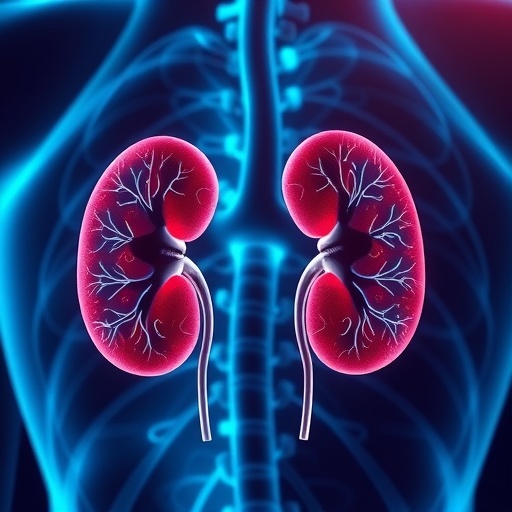
Recent advancements in medical technology have ushered in a new era for organ transplantation, particularly in kidney transplants. As the world grapples with organ shortages, the demand for effective and non-invasive ways to monitor transplant health has skyrocketed. A recent comprehensive review titled “Non-Invasive Biomarkers for Kidney Transplant Monitoring,” authored by Damas, Caeiro, Ramirez-Bajo, and their team, delves deep into this pivotal subject. This groundbreaking work, published in the journal “Current Transplant Reports,” provides valuable insights into how we can enhance kidney transplant outcomes using non-invasive biomarker techniques.
Traditionally, kidney transplant monitoring involved invasive procedures, which not only posed risks to patients but also led to complications that could jeopardize the health of the transplanted organ. For years, medical professionals relied heavily on invasive biopsy techniques, which could be uncomfortable and carry a risk of complications. This scenario has driven the search for alternative methods, and non-invasive biomarkers have emerged as a compelling solution, potentially transforming the landscape of post-transplant monitoring.
The review begins by cataloging the various non-invasive biomarkers currently under investigation. These biomarkers are molecules present in blood, urine, or even saliva, providing insight into the health of the transplanted organ without necessitating invasive procedures. This method is not only safer for patients but also provides quicker results, enabling timely interventions if the transplanted kidney’s health begins to decline. As a result, non-invasive biomarkers stand to revolutionize transplant medicine, simplifying monitoring processes and improving patient comfort.
One of the key advantages of non-invasive biomarkers is their ability to offer real-time insights into the transplant’s condition. This aspect is particularly crucial, as the sooner potential issues are detected, the better the chances of preventing serious complications. The team’s comprehensive review examines various non-invasive biomarkers that have shown promise, such as circulating cell-free DNA, microRNAs, and protein markers. Each of these biomarkers has its unique advantages and mechanisms of action, underscoring the diverse potential for non-invasive monitoring strategies.
Circulating cell-free DNA has emerged as a particularly exciting area of research. It has been found that the levels of this DNA, which originates from both the donor and recipient, can provide critical insights into transplant health. Elevated levels of donor-derived cell-free DNA have been linked to acute rejection episodes, making it a potential early warning signal for clinicians. The adoption of this biomarker could significantly reduce the need for biopsies, as rising levels of this DNA can trigger further investigations non-invasively.
Another promising avenue explored in the review is the role of microRNAs in kidney transplant monitoring. MicroRNAs, which are short sequences of RNA that regulate gene expression, have been found to be differentially expressed in the urine of kidney transplant recipients. The ability to detect these specific microRNA profiles can indicate ongoing graft injury, making them invaluable for real-time monitoring. This innovation signifies a shift toward personalized medicine, providing tailored insights into the patient’s unique transplant experience.
Additionally, protein markers play a crucial role in non-invasive assessments of transplant health. Specific proteins released in response to kidney damage can serve as indicators of the organ’s status. The review highlights several key protein biomarkers that have been investigated, offering a glimpse into how these markers could be harnessed for more efficient monitoring techniques. The combination of these biomarkers allows for a multifaceted approach to understanding transplant health, providing a holistic view of the organ’s condition.
As the research community continues to delve deeper into the world of non-invasive biomarkers, the implications for patient care are monumental. The potential to monitor kidney transplant health without the stress and risks associated with biopsies presents new opportunities to enhance patient outcomes. This shift could redefine how clinicians approach transplant care and decision-making, leading to earlier interventions and improved overall health for recipients.
Moreover, the integration of non-invasive biomarkers into routine clinical practice promises to democratize access to transplant monitoring. Patients in rural or underserved areas, who may have limited access to specialized transplant centers, can benefit from non-invasive techniques. This approach not only enhances patient safety but also offers a sustainable solution to the ongoing challenges faced by healthcare systems worldwide, particularly in managing kidney transplant populations.
The review by Damas et al. does not shy away from addressing the challenges that lie ahead. While the potential for non-invasive biomarkers is immense, the authors acknowledge the need for further validation and standardization of these tests. The path to widespread clinical adoption requires rigorous research and collaborative efforts among various stakeholders in the medical community. Such initiatives will help establish the reliability and accuracy of non-invasive biomarker assessments, ultimately leading to more robust clinical guidelines.
In addition, ethical considerations surrounding the use of non-invasive biomarkers must be addressed as this field advances. With the advent of new technologies come questions regarding patient consent, data privacy, and the implications of genetic and molecular information. Researchers and clinicians must ensure that ethical frameworks evolve in tandem with scientific advancements, safeguarding patient rights and fostering trust in these innovative monitoring strategies.
Ultimately, the comprehensive review highlights a paradigm shift in how kidney transplants are monitored. The reliance on non-invasive biomarkers represents a promising avenue toward improving patient care, enhancing safety, and fostering better outcomes. As the landscape of transplant medicine continues to evolve, the findings from Damas and his colleagues could very well lay the groundwork for the next generation of kidney transplant monitoring techniques, heralding a future where patients experience significantly improved quality of life post-transplant. This groundbreaking work serves not only as a call to action but also as an inspiration for researchers and clinicians to collaborate and bring forth innovative solutions that can benefit patients on a global scale.
As technologies continue to advance and research explores the full potential of these non-invasive biomarkers, the future of kidney transplantation looks brighter than ever. The battle against organ rejection and transplant complications may soon enter a new era, marked by safer, more efficient, and patient-centered monitoring methods. The findings encapsulated in this comprehensive review underscore the promise that lies ahead for both patients and healthcare providers in the realm of kidney transplant health.
Damas, J., Caeiro, F., Ramirez-Bajo, M.J. et al. Non-Invasive Biomarkers for Kidney Transplant Monitoring: A Comprehensive Review.
Curr Transpl Rep 13, 7 (2026). https://doi.org/10.1007/s40472-025-00501-8
Cite Scienmag News
Ophelia Keating. (February 3, 2026). Revolutionizing Kidney Transplant Monitoring with Non-Invasive Biomarkers. Scienmag. https://scienmag.com/revolutionizing-kidney-transplant-monitoring-with-non-invasive-biomarkers/
Ophelia Keating. "Revolutionizing Kidney Transplant Monitoring with Non-Invasive Biomarkers." Scienmag, 3 February 2026, https://scienmag.com/revolutionizing-kidney-transplant-monitoring-with-non-invasive-biomarkers/. Accessed 3 September 2026.
Ophelia Keating. "Revolutionizing Kidney Transplant Monitoring with Non-Invasive Biomarkers." Scienmag. February 3, 2026. https://scienmag.com/revolutionizing-kidney-transplant-monitoring-with-non-invasive-biomarkers/


