


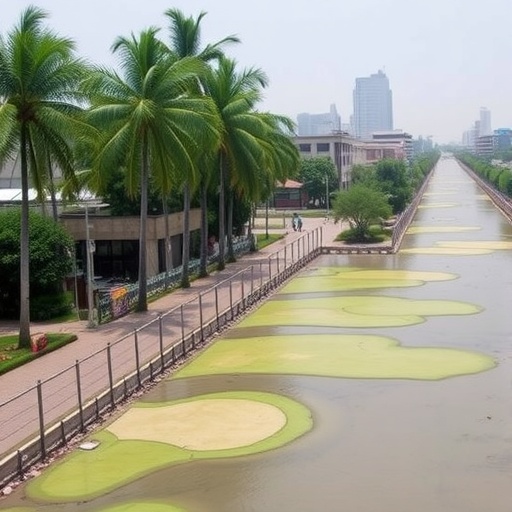
Urban areas across the globe are increasingly under the pressures of rapid development and environmental degradation. There’s a growing concern that these metropolitan spaces, often seen as engines of economic growth, might also become the epicenters of ecological crisis. A recent study in North-East India has taken a closer look at this duality, assessing the ecological risks that accompany urbanization. The research presents an important dialogue on how cities can balance growth with sustainability, ultimately examining what the future holds for urban environments.
At the crux of this investigation is an in-depth analysis of the metropolitan district in North-East India. The area, characterized by its unique socio-cultural tapestry, is undergoing significant transformation. Urbanization, driven by a quest for economic opportunities, often comes at a steep cost to local ecosystems. The study highlights how the rapid expansion of urban infrastructure can disrupt existing ecological balance, leading to potential crises that might not just affect the environment but also the inhabitants’ quality of life.
The methodologies employed in this research are diverse, incorporating various scientific techniques to gauge environmental impacts accurately. By using advanced ecological risk assessment tools, the researchers systematically evaluated the multiple factors affecting the urban ecosystem. This multifaceted approach ensures that the study’s findings can inform better urban planning strategies. It sheds light on how a data-driven analysis can help policymakers understand the inherent risks associated with urban expansion.
One significant outcome of this research is the recognition of the relationship between urban growth and climate resilience. As cities expand, their vulnerability to climate change intensifies. Urban areas, with their dense populations and infrastructure, are often the most affected by climate-related disasters. The study underscores the need for a resilient urban framework that not only accommodates growth but also fortifies cities against environmental shocks. Implementing this framework could mean a fundamental shift in how we perceive urban planning.
In addition, the socio-economic implications of ecological risks are far-reaching. Communities within urban settings often find themselves on the frontline of environmental degradation. Issues like water scarcity, air pollution, and the loss of green spaces disproportionately affect marginalized groups. The research brings to light the importance of considering social equity in urban ecological assessments. Ensuring that all community members have access to a safe and sustainable environment should be a priority for urban policymakers.
As cities become increasingly interconnected through digital networks, there arises an opportunity to leverage technology in addressing ecological risks. The study encourages the adoption of smart city technologies that can monitor environmental changes in real time. By harnessing data analytics and Internet of Things (IoT) devices, urban areas can enhance their capacity to respond to ecological threats. For instance, real-time air quality monitoring can trigger immediate actions to protect public health.
Furthermore, public engagement plays a crucial role in the effectiveness of urban ecological strategies. The research emphasizes the necessity of involving local communities in decision-making processes. This participatory approach not only empowers citizens but also enriches the planning process with local knowledge and perspectives. When communities are engaged, they are more likely to support sustainable initiatives and work collaboratively towards shared goals.
The findings of this study are relevant not only within the local context but also resonate on a global scale. Many cities around the world are grappling with similar challenges of urbanization and environmental sustainability. The insights gleaned from this research can inform global dialogues about urban resilience and sustainable development. They provide valuable lessons regarding the importance of a holistic perspective in urban planning.
As we navigate the complexities of modern urbanization, there’s an urgent need to redefine our relationship with the natural world. The study advocates for a paradigm shift from viewing nature merely as a resource to acknowledging its intrinsic value. Understanding the ecosystem services that urban environments offer can lead to more sustainable practices. This shift in perspective can help cities integrate green infrastructure, enhancing both their ecological health and the well-being of residents.
In terms of future implications, the research calls for a proactive approach to urban ecological management. This involves not only preparing for the effects of climate change but also implementing policies that mitigate risks before they manifest into crises. The study recommends regular ecological monitoring and assessment as crucial components of urban governance. Continuous evaluation allows for timely interventions and helps adapt strategies to evolving environmental challenges.
Another important takeaway from this research is the potential for economic opportunities arising from sustainable urban practices. The integration of green technologies and eco-friendly designs has shown promising results in various cities. By investing in sustainable infrastructure, cities can create new job opportunities and stimulate local economies. This dual benefit—environmental sustainability coupled with economic growth—could redefine the future of urban landscapes.
In summary, the study conducted by Gogoi and Debbarma serves as a pivotal reference point for understanding the intricate relationship between urbanization and ecological risk. As urban environments in North-East India, and indeed globally, continue to evolve, it becomes crucial to prioritize sustainability. The balance between development and environmental integrity will determine the health of urban ecosystems—shaping the living conditions of millions.
As we move forward, it is essential that urban planners, policymakers, and communities work in unison towards sustainable urban futures. The findings from this critical research highlight not only the challenges we face but also the opportunities available for forging a resilient urban path. While the pressures of urban growth loom large, proactive, informed, and collaborative efforts can pave the way for healthier, greener cities that honor both people and the planet.
Gogoi, P., Debbarma, J. Urban futures under pressure: assessing and predicting ecological risk in a metropolitan district of North-East India.
Environ Monit Assess 198, 195 (2026). https://doi.org/10.1007/s10661-026-15027-4
Cite Scienmag News
Violet Maxwell. (February 1, 2026). Evaluating Ecological Risks in Northeast India’s Urban Growth. Scienmag. https://scienmag.com/evaluating-ecological-risks-in-northeast-indias-urban-growth/
Violet Maxwell. "Evaluating Ecological Risks in Northeast India’s Urban Growth." Scienmag, 1 February 2026, https://scienmag.com/evaluating-ecological-risks-in-northeast-indias-urban-growth/. Accessed 4 September 2026.
Violet Maxwell. "Evaluating Ecological Risks in Northeast India’s Urban Growth." Scienmag. February 1, 2026. https://scienmag.com/evaluating-ecological-risks-in-northeast-indias-urban-growth/


