


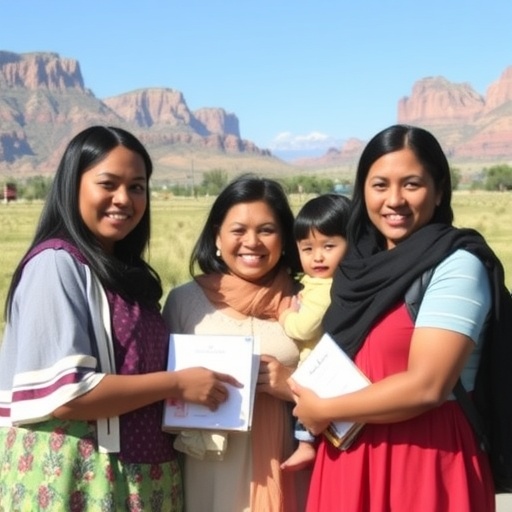
In an era marked by increasing global migration, public health programs face unprecedented challenges and opportunities in serving diverse populations. A recent qualitative study conducted by researchers Timoschenco, Nur, Archuleta, and colleagues sheds vital light on the lived experiences of immigrants and refugees participating in the Utah Women, Infants, and Children (WIC) program. Published in the International Journal for Equity in Health, this groundbreaking research elucidates the nuanced barriers and facilitators affecting access, utilization, and satisfaction within this crucial nutrition assistance initiative. The findings hold transformative implications for policy makers, healthcare providers, and community advocates striving to promote equitable health outcomes nationwide.
The WIC program, established in 1974, is a federally funded initiative designed to provide nutritional support to low-income pregnant women, new mothers, and young children. While its benefits are well documented in improving maternal-child health, less attention has been directed toward immigrant and refugee populations, groups often contending with unique vulnerabilities relating to language barriers, cultural differences, and systemic discrimination. The Utah-focused study, methodologically anchored in ethnographic interviews and focus group discussions, offers an intimate portrayal of these communities’ experiences, highlighting both systemic shortcomings and inspiring resilience.
At the heart of the investigation lies an exploration of how cultural competency—or the lack thereof—impacts the quality of service delivery within WIC centers. Participants frequently recounted encounters with program staff where language discordance impeded effective communication, leading to misunderstandings, frustration, and diminished trust. The study emphasizes that mere availability of interpreter services proves insufficient unless paired with deeper cultural sensitivity training that equips service providers to navigate varying health beliefs, dietary customs, and perceptions of governmental assistance.
Moreover, the research addresses how procedural complexities within the WIC application and certification processes disproportionately affect immigrant and refugee clients. Lengthy paperwork, eligibility verification hurdles, and inconsistent information dissemination sometimes discourage sustained engagement. Such challenges underscore the need to streamline bureaucratic workflows while ensuring that materials and communications are linguistically accessible. Digital innovations, like mobile apps tailored for multiple languages and simplified interfaces, emerge as promising solutions to mitigate attrition.
An especially compelling dimension of the study examines the psychological toll experienced by new immigrants and refugees who face stigma or exclusion when accessing public benefits. Feelings of shame, fear of deportation, and community gossip were recurrent themes, revealing the emotional undercurrents that influence program participation. The authors argue that creating welcoming environments through community liaisons, peer support groups, and culturally affirming outreach can foster a sense of belonging critical to sustained health improvement.
Nutrition education components within the WIC program also come under scrutiny. Participants expressed appreciation for lessons that validate traditional dietary practices while providing scientifically grounded guidance on nutrient needs during pregnancy and early childhood. However, a one-size-fits-all approach failed to resonate broadly. The study advocates for adaptive curricula that honor ethnic food preferences, address acculturation challenges, and integrate comprehensive family-centered strategies.
In addition to individual-level factors, the research highlights macro-level determinants shaping immigrant and refugee encounters with the Utah WIC system. Policy fluctuations around Medicaid expansion, public charge rules, and social welfare eligibility intertwine with local administrative policies, creating a complex web that influences perceived and actual accessibility. These findings call for coordinated advocacy efforts to harmonize program rules with the lived realities of immigrant families, aiming to eliminate structural barriers that perpetuate health inequities.
The qualitative richness of this study contributes profoundly to the evidence base regarding health equity in nutritional assistance programs. By elevating immigrant and refugee voices, the research challenges prevailing paradigms that often marginalize or homogenize these groups. Instead, it presents a multifaceted understanding that empowers stakeholders to tailor interventions more responsively. For instance, integrating cultural brokers into WIC staff teams or partnering with ethnic community organizations could bridge gaps in trust and comprehension.
Technologically, the study illustrates the potential for data-driven approaches to personalize client engagement. Digital tracking of nutritional metrics combined with artificial intelligence insights can support case management strategies sensitive to immigration status nuances, language preferences, and cultural benchmarks. Such innovations promise enhanced adherence to nutritional guidelines while respecting personal autonomy and dignity.
Furthermore, the study’s timing amid shifting political landscapes and the ongoing COVID-19 pandemic adds urgency and relevance. The intersection of public health crises with evolving immigration policies amplifies the challenges documented, making the push for inclusive and equitable service design even more critical. The authors call on federal, state, and local agencies to institutionalize flexibility, innovation, and responsiveness within WIC and related programs.
This comprehensive qualitative inquiry also underscores the importance of training healthcare and social service professionals in trauma-informed care. Many immigrants and refugees arrive with prior experiences of displacement, violence, and hardship, which influence health behaviors and service interactions. Incorporating mental health considerations within nutritional counseling can improve overall outcomes and foster trust.
Importantly, the study refrains from pathologizing immigrant and refugee participants; instead, it celebrates their agency and resourcefulness. Some families creatively merge traditional knowledge with programmatic advice, leveraging community networks to optimize health. Recognizing and amplifying such strengths can shift program narratives toward empowerment and partnership.
In summary, the work by Timoschenco et al. serves as a clarion call to rethink and redesign public health nutrition services in a manner that genuinely reflects the diversity of contemporary American society. By elucidating the comprehensive experiences of Utah’s immigrant and refugee WIC clients, the research provides an empirical foundation for policy reforms and innovative program practices that can be generalized nationwide. As migration continues reshaping demographics, the imperative for culturally competent, accessible, and holistic nutrition assistance programs grows ever more vital.
Looking ahead, interdisciplinary collaboration will be key to translating these qualitative insights into practical change. Incorporating perspectives from anthropology, public policy, clinical nutrition, and information technology can catalyze the development of scalable models responsive to the needs of diverse populations. The study’s rigorous methodological approach offers a blueprint for future research in other states and program settings, ensuring that equity remains central to public health nutrition endeavors.
Ultimately, this study reminds us that effective nutritional support is not merely a clinical or logistical challenge but a deeply human one. Addressing structural inequities and cultural dynamics with sensitivity and innovation will be paramount to achieving healthier futures for immigrant and refugee families in Utah and beyond. The WIC program’s mission to safeguard maternal and child nutrition stands to be profoundly strengthened by embracing these lessons, heralding a new era of inclusive public health excellence.
Cite Scienmag News
Phoebe Ingram. (January 27, 2026). Immigrant, Refugee Experiences in Utah WIC Program. Scienmag. https://scienmag.com/immigrant-refugee-experiences-in-utah-wic-program/
Phoebe Ingram. "Immigrant, Refugee Experiences in Utah WIC Program." Scienmag, 27 January 2026, https://scienmag.com/immigrant-refugee-experiences-in-utah-wic-program/. Accessed 4 September 2026.
Phoebe Ingram. "Immigrant, Refugee Experiences in Utah WIC Program." Scienmag. January 27, 2026. https://scienmag.com/immigrant-refugee-experiences-in-utah-wic-program/


