


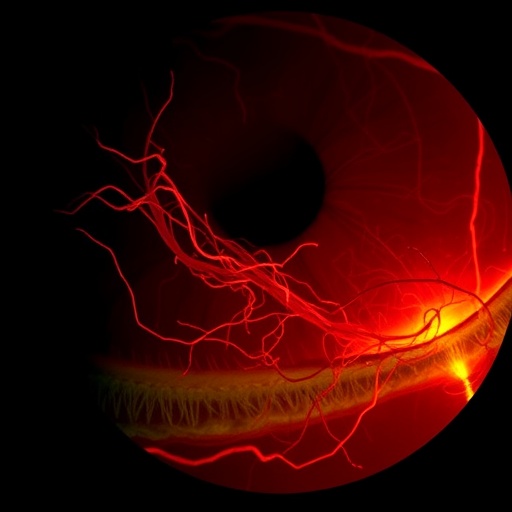
In recent years, the intersection between inflammation and angiogenesis has garnered extensive research interest. The intricate signaling pathways that govern these processes are pivotal not only to our understanding of physiological responses but also to the development of therapeutic strategies for various diseases, particularly those involving the eye. The recent study led by Garcia et al. published in Angiogenesis makes a compelling case for targeting the IL-8 receptor signaling as a novel approach to manage angiogenic retinopathies. This innovative research brings to light the complexities of IL-8 pathways and their involvement in retinal vascular diseases, which could reshape existing treatment paradigms.
To appreciate the significance of this research, it is essential to understand the role of IL-8. Interleukin-8, commonly referred to as IL-8, is a chemokine that plays a crucial role in the immune response by recruiting neutrophils and mediating inflammation. Its involvement in pathological conditions, particularly those characterized by excessive angiogenesis—such as diabetic retinopathy and age-related macular degeneration—has been previously established. The study asserts that IL-8 receptor signaling pathways are not merely passive players but active contributors in promoting angiogenesis, thereby intensifying the urgency for targeted intervention strategies.
The authors conducted a series of experiments that confirmed the elevated presence of IL-8 and its receptors in the retinas of individuals suffering from various angiogenic retinopathies. This evidence establishes a clear correlation between IL-8 signaling and the severity of retinal disease. Furthermore, Garcia et al. demonstrated that blocking IL-8 receptors curtailed angiogenic responses in both in vitro and in vivo models, indicating that the pathway could be an effective target for therapeutic intervention.
Among the remarkable findings of this study is the elucidation of the molecular mechanisms by which IL-8 mediates angiogenesis. The researchers employed advanced biochemical assays to delineate the downstream signaling cascades initiated by IL-8 receptor activation. This mechanistic insight is critical as it unveils potential therapeutic checkpoints where intervention could decisively impede pathological angiogenesis. The study outlines specific pathways involving pro-angiogenic factors, highlighting the role of IL-8 in orchestrating a sequence of events that lead to aberrant vascular formation in the retina.
Another compelling aspect of this research is the temporal dynamics of IL-8 signaling in retinal diseases. Garcia and colleagues meticulously investigated how the levels of IL-8 fluctuate during the progression of angiogenic retinopathies. Such temporal analysis can inform not only the timing of therapeutic interventions but also the development of biomarkers that track disease progression and treatment efficacy. Understanding when IL-8 levels peak could offer crucial clues for more effective administration of IL-8 antagonists, paving the way for precision medicine approaches in treating retinal vascular disorders.
The implications of targeting IL-8 receptor signaling extend beyond just treating existing conditions. By actively engaging in preclinical studies that explore the potential of IL-8 antagonists, the researchers not only aim to provide symptomatic relief but also prevent the onset of retinopathies. Such proactive strategies are essential in clinical settings, especially given the increasing prevalence of diabetes and age-related conditions that predispose individuals to retinal disorders.
Moreover, the research employs a multidisciplinary approach, incorporating insights from molecular biology, pharmacology, and clinical medicine. This holistic perspective enhances the translational potential of their findings, aiming to bridge the gap between benchside discoveries and bedside applications. As researchers push the boundaries of our knowledge regarding the IL-8 axis, the protocols established in this study could serve as a template for future investigations into similar pathways involved in other diseases characterized by inappropriate angiogenesis.
In parallel with ongoing research, the quest for effective pharmacological agents that can inhibit IL-8 signaling is gaining traction. The exploration of small molecules and monoclonal antibodies that could serve as IL-8 antagonists will be a crucial next step. The significance of this focus is profound, as existing treatments often address symptoms rather than the underlying mechanisms of disease. By concentrating efforts on the IL-8 axis, researchers are taking a bold step towards establishing a novel class of anti-angiogenic therapeutics that could revolutionize how we treat retinopathies and other angiogenesis-related diseases.
For clinicians, the findings from Garcia et al. represent a beacon of hope amid the challenges posed by current treatment limitations. Understanding the pivotal role of IL-8 in ocular pathologies could invite a re-evaluation of diagnostic and therapeutic strategies employed in the clinical management of retinopathies. As more research underlines the clinical relevance of IL-8, it will become imperative to investigate how existing modalities can be adapted or combined with IL-8 antagonists for enhanced efficacy.
Engagement with patient communities will also play a pivotal role in the translation of these findings into practice. Educating patients about the mechanisms of their diseases and the potential for novel targeting strategies can enhance adherence to new treatments as they become available. Moreover, real-world data reflecting patient outcomes with IL-8 antagonism will be indispensable in validating the clinical usefulness of this research.
As the scientific community continues to explore the relationship between immunology and angiogenesis, the novel insights presented by Garcia et al. will undoubtedly fuel further inquiry. The potential for IL-8 receptor signaling to serve as a cornerstone in the development of advanced therapies emphasizes the need for dedicated research efforts in this field. The broader implications of these findings could resonate not only in ocular medicine but also in other domains where angiogenesis plays a critical role, such as oncology and cardiovascular diseases.
In conclusion, Garcia and colleagues present invaluable evidence supporting IL-8 receptor signaling as a novel therapeutic target for angiogenic retinopathies. This groundbreaking research opens up a horizon of opportunities for innovative treatment strategies that could ultimately transform patient outcomes in retinal disease. With a renewed focus on the mechanisms of inflammation and angiogenesis, the future of ocular therapy looks brighter than ever.
Cite Scienmag News
Drew Townsend. (January 22, 2026). IL-8 Receptor: A New Target for Retinal Angiogenesis. Scienmag. https://scienmag.com/il-8-receptor-a-new-target-for-retinal-angiogenesis/
Drew Townsend. "IL-8 Receptor: A New Target for Retinal Angiogenesis." Scienmag, 22 January 2026, https://scienmag.com/il-8-receptor-a-new-target-for-retinal-angiogenesis/. Accessed 3 September 2026.
Drew Townsend. "IL-8 Receptor: A New Target for Retinal Angiogenesis." Scienmag. January 22, 2026. https://scienmag.com/il-8-receptor-a-new-target-for-retinal-angiogenesis/


