


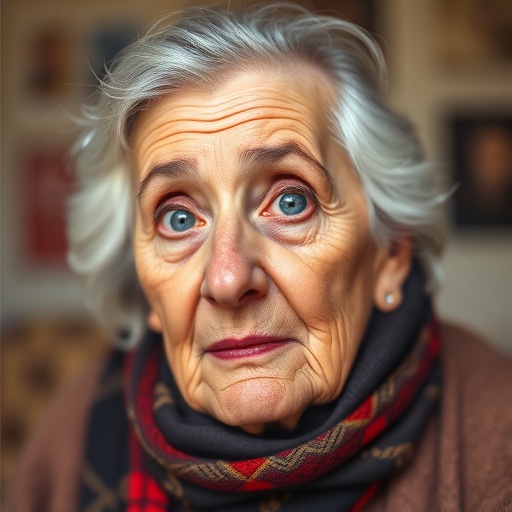
In an innovative study spearheaded by a team of researchers in Türkiye, the implications of hydration status, thirst discomfort, and ocular surface health among older adults have been meticulously explored. This research comes at a critical time when aging populations worldwide are facing not only the usual health challenges associated with age but also unique environmental factors that can exacerbate dehydration and subsequently affect overall health. The findings of this cross-sectional study, set to be published in BMC Geriatrics in 2026, aim to shed light on the intricate relationships between adequate hydration, the sensation of thirst, and the health of the ocular surface among older adults.
Within the framework of this study, the researchers focused on the demographic that encompasses individuals aged 65 and older, a cohort noted for its vulnerability to dehydration-related complications. Through rigorous methods of data collection and analysis, the study meticulously tracked various indicators of hydration status, identifying key markers such as fluid intake, urine output, and physical signs indicative of dehydration. Assessment tools employed in this research were designed not only to evaluate hydration but also the subjective experience of thirst discomfort, providing a holistic view of participants’ hydration health.
A significant aspect of the research pertains to the critical role that hydration plays in maintaining ocular surface health, a topic that has garnered increasing attention in the field of geriatrics. Dry eye disease, which is prevalent among older populations, can have detrimental impacts on quality of life, affecting daily activities and even psychological well-being. The study hypothesizes that poor hydration levels may exacerbate this condition, leading to heightened discomfort and visual impairment among elderly individuals. Thus, the interconnection between hydration and ocular health forms a central pillar of the research’s objectives.
Moreover, the researchers employed a cross-sectional study design that allowed for rich descriptive data to be collected at a single point in time. This methodological choice enabled them to observe variations in hydration status and ocular health without the complications of longitudinal tracking. By using validated assessment scales to measure thirst discomfort and ocular surface health, the research provided robust insights into common complaints among older adults, revealing patterns that could inform clinical practices in geriatric care.
As the study progresses, particular attention is being given to the dietary habits and fluid consumption patterns of participants. The researchers are delving into how cultural factors, lifestyle, and access to water resources can influence hydration status. They anticipate that understanding these patterns will be crucial in developing targeted interventions aimed at improving hydration among this demographic, thus enhancing both their physical and ocular health.
Unsurprisingly, the implications of this research extend beyond merely identifying hydration levels. The findings are expected to inform policy recommendations that could lead to improved care protocols within residential facilities and homecare settings. By emphasizing the importance of regular hydration assessments and tailored fluid intake strategies, the research advocates for a comprehensive approach to the health management of older adults, recognizing the simple act of drinking enough water as a foundational element of well-being.
In examining the multifaceted nature of thirst discomfort, the researchers highlighted the psychological factors that may affect how older adults perceive and respond to their thirst cues. Many individuals in this age group may develop a diminished sense of thirst or even neglect their hydration needs due to cognitive decline or lack of awareness. This insight raises the question of how health professionals can effectively communicate the importance of hydration, potentially leading to innovative educational programs designed for both older adults and their caregivers.
As the research team compiled their findings, they were astounded by the cross-sectional data revealing correlations between hydration levels and the severity of ocular surface symptoms reported by participants. Using state-of-the-art statistical techniques, the researchers were able to identify trends that suggest effective hydration may result in significantly reduced symptoms of dry eyes, bolstering the argument for prioritizing fluid intake among the elderly. This groundbreaking research provides valuable evidence that could contribute to developing preventative measures against ocular surface ailments.
In a world where multitasking and fast-paced lifestyles often lead to overlooked nutrition and hydration, the call to action is clear. As this study emphasizes, maintaining adequate hydration is a vital aspect of both generalized health and specific conditions like dry eye disease. The researchers hope their work can spark further investigations and discussions, encouraging healthcare providers to prioritize hydration strategies in their routine assessments of older adults, ultimately improving their quality of life.
Emerging from this pivotal work is the potential for future research avenues, particularly in exploring the efficacy of hydration interventions designed specifically for older adults. The research team is optimistic that their findings can serve as a springboard, inspiring both academic and clinical communities to focus on holistic approaches to wellness that prioritize hydration as a primary goal in geriatric healthcare.
As we look towards the future, embracing such research underscores the necessity of understanding the simple yet profound relationships between hydration, health, and comfort among older adults. The vital insights contained in this study not only pave the way for improved clinical practices but also reinforce the broader narrative of health and well-being in aging populations.
Ultimately, this cross-sectional study conducted in Türkiye provides a timely effort to address hydration as a critical factor in the well-being of older adults. By recognizing and acting upon the interplay between hydration status, thirst discomfort, and ocular surface health, we can cultivate a healthier future for our aging populace, ensuring that their golden years are not marred by unnecessary discomfort or health issues.
As the authors of this groundbreaking study prepare for publication, the anticipation builds around the implications of their findings. The urgency of addressing hydration in older adults resonates across different sectors, including healthcare, community services, and policy-making. In a world where the aging demographic is growing rapidly, neglecting hydration is a critical oversight we cannot afford as a society.
In conclusion, the research carried out by this diligent team is a powerful reminder of the essential role hydration plays in every facet of health programming for older adults. As they prepare to share their insights with the world, the hope is that their work will stimulate broader conversations about the importance of maintaining hydration—ensuring that no one, especially our elders, has to suffer from preventable discomfort and deteriorating health.
Kant, E., Çimen, A., Aydınalp Balta, E. et al. Hydration status, thirst discomfort, and ocular surface health among older adults in Türkiye: a cross-sectional study.
BMC Geriatr (2026). https://doi.org/10.1186/s12877-025-06911-8
Cite Scienmag News
Ophelia Keating. (January 12, 2026). Hydration, Thirst, and Eye Health in Turkish Seniors. Scienmag. https://scienmag.com/hydration-thirst-and-eye-health-in-turkish-seniors/
Ophelia Keating. "Hydration, Thirst, and Eye Health in Turkish Seniors." Scienmag, 12 January 2026, https://scienmag.com/hydration-thirst-and-eye-health-in-turkish-seniors/. Accessed 3 September 2026.
Ophelia Keating. "Hydration, Thirst, and Eye Health in Turkish Seniors." Scienmag. January 12, 2026. https://scienmag.com/hydration-thirst-and-eye-health-in-turkish-seniors/


