

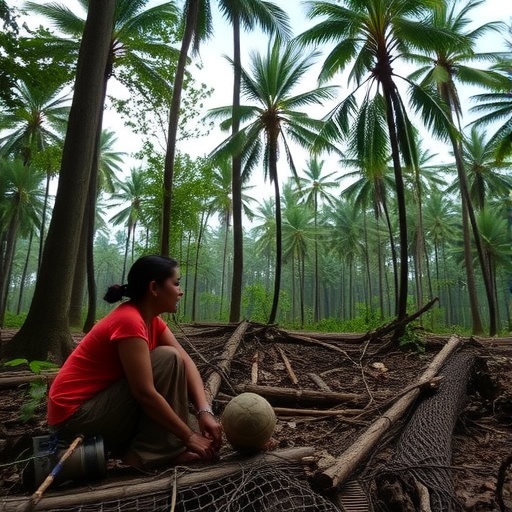
In recent years, deforestation has emerged as a crucial issue, particularly affecting indigenous communities and their relationships with the land. The research conducted by Sulistyorini, Suyitno, and Pratiwi sheds light on the profound impacts of deforestation on the Dayak communities in Indonesia, using ecocriticism as a framework to assess the implications of environmental degradation on cultural identity and place dependence. This study introduces a critical analysis of how the transformation of landscapes can lead to a disconnection between the Dayak peoples and their traditional land, ultimately affecting their cultural heritage and identity.
The Dayak communities, known for their intricate relationship with the forests of Borneo, have faced significant changes as extensive logging and agricultural expansion disrupt their customary practices. The researchers utilized a documentary format to capture these changes visually and narratively, illustrating the stark contrast between the vibrant ecosystems that once flourished and the desolate landscapes that characterize the post-deforestation era. Through personal stories and community narratives, the documentary serves as a poignant reminder of the interconnectedness of environment and culture.
Ecocriticism provides a critical lens through which the researchers examine these transformations, positing that literature, art, and media can reflect and challenge human relationships with the natural world. By incorporating ecocritical perspectives, the study underscores the importance of defending the integrity of ecosystems, not only for the environment but also for the cultural identities dependent on those ecosystems. It highlights how environmental degradation can lead to a loss of heritage and cultural memory, emphasizing the need for a more sustainable and respectful relationship with nature.
An integral part of the research focuses on place dependence, an emotional and psychological bond individuals have with their local environment. For the Dayak communities, their forests are not merely a source of material resources but are intrinsically tied to their identity, rituals, and social fabric. The study reveals that as these communities lose their forests, they also experience a loss of identity and belonging, leading to marginalization and displacement. This profound emotional impact is captured in the documentary, where community members express their attachment to the land and the trauma of losing parts of their heritage.
Moreover, the documentary highlights how indigenous knowledge and practices have sustained the Dayak communities for generations. Their traditional ecological knowledge, which has guided their interactions with the forest, is at risk of erasure in the face of modern development pressures. The research emphasizes the need for integrating this knowledge into contemporary land management and conservation strategies, advocating for a collaborative approach that respects and uplifts indigenous voices in environmental policy.
The implications of this research extend beyond the Dayak communities, touching upon broader discussions about biodiversity, conservation, and cultural diversity. The ecological and cultural crises that arise from deforestation are interconnected, calling for a holistic approach to sustainability that acknowledges the value of preserving both natural and cultural landscapes. By connecting ecological integrity with cultural identity, the research offers a compelling argument for conservation efforts that prioritize both environmental health and social equity.
Furthermore, the study suggests that environmental storytelling can be a powerful tool for advocacy. The documentary serves not only as a record of loss but also as a rallying cry for action and awareness. By showcasing the realities faced by the Dayak people, it aims to engage audiences emotionally, fostering empathy and understanding that can lead to meaningful change. This narrative strategy is pivotal in raising awareness about deforestation’s real human costs and the urgent need for sustainable practices.
Through the lens of ecocriticism, the documentarians invite viewers to reflect on their own relationships with nature and challenge the disposability often associated with contemporary consumer cultures. The stories of the Dayak communities remind us that our identities are deeply entwined with the landscapes we inhabit. Preservation of biodiversity is not just about saving species but about nurturing the cultural narratives that define human existence.
In conclusion, Sulistyorini, Suyitno, and Pratiwi’s research provides a powerful examination of the post-deforestation conditions faced by Dayak communities. By integrating ecocriticism with an understanding of place dependence, this study offers a comprehensive view of the challenges posed by environmental degradation to cultural identity. The documentary serves as a critical framework for understanding these dynamics, urging both local and global audiences to engage in sustainable practices that honor the interdependence of culture and nature.
As the global community grapples with the consequences of climate change and biodiversity loss, research like this is vital. It sheds light on the real human stories embedded within environmental debates, ensuring that the voices of marginalized communities are heard and respected. Only through collective action and a commitment to sustainability can we hope to address the multifaceted crises facing our planet and its people.
In a world increasingly driven by technological advances and economic growth, the balance between human endeavors and ecological integrity has never been more crucial. The narrative of the Dayak communities provides an essential reminder of the value of traditions, the importance of listening to indigenous voices, and the need for a sustainable future that honors the past.
This research not only contributes to the academic discourse on ecological and cultural studies but also serves as a call to action for individuals and organizations committed to fostering a more sustainable and equitable world. The documentary and its findings encourage all of us to re-evaluate our connections to the natural world, inspiring a new generation of environmentally conscious citizens who will advocate for the planet and its diverse cultures.
In light of the urgency of these issues, the study empowers individuals across the globe to make conscious decisions that support environmental stewardship and advocate for the rights of indigenous communities affected by environmental changes. As the Dayak communities navigate the complexities of deforestation, their commitment to preserving their cultural identity and ecological wisdom remains a beacon of resilience and hope.
Ultimately, the integration of ecocriticism and place dependence in the exploration of the Dayak communities’ experiences serves as a potent illustration of the challenges and triumphs during a time of change. It is a testament to the enduring spirit of indigenous peoples and their invaluable contributions to the discourse on sustainability, identity, and the future of humanity’s relationship with the natural world.
Subject of Research: The impact of deforestation on Dayak communities’ cultural identity and place dependence.
Article Title: Integrating ecocriticism and place dependence to reveal the post-deforestation conditions of Dayak communities in a documentary.
Article References:
Sulistyorini, D., Suyitno, I., Pratiwi, Y. et al. Integrating ecocriticism and place dependence to reveal the post-deforestation conditions of Dayak communities in a documentary.
Discov Sustain 6, 1423 (2025). https://doi.org/10.1007/s43621-025-02267-6
Image Credits: AI Generated
DOI: https://doi.org/10.1007/s43621-025-02267-6
Keywords: deforestation, Dayak communities, ecocriticism, cultural identity, place dependence, sustainability.


