


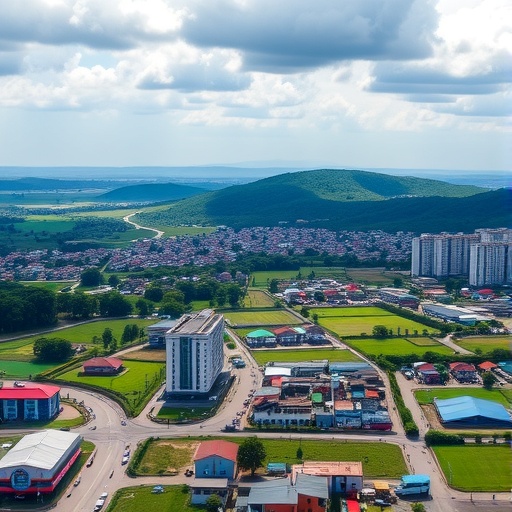
In the rapidly transforming landscapes of urban and rural areas, understanding the perceptions that shape these environments becomes crucial. A recent study by Garoma, Gutema, and Tolossa painstakingly investigates the perceptions of rural-urban linkages in Sebata sub-city and its surrounding periphery in Oromia, Ethiopia. This paper delves into the complex interplay between rural and urban areas, exposing both the opportunities and challenges facing these intertwined spaces. By utilizing a variety of methodological approaches, the research encapsulates public insights and presents findings that could influence future policy decisions and development strategies in the region.
Sebata, a growing sub-city, exemplifies the tension often found between urbanization and rural development. As rural areas encroach upon urban spaces, there is an increasing need for studies that highlight the perceptions of residents living at this juncture. Rural-urban linkages are pivotal in understanding movement, migration, and economic integration and they play a significant role in informing policymakers about sustainable development practices. The authors’ objective to capture the public’s voice serves as both an academic endeavor and a practical guide for enhancing living conditions within these interconnected regions.
Through rigorous qualitative and quantitative research methodologies, the authors employed surveys and interviews to gather data on the public perception of rural-urban interactions. Participants, varying from rural farmers to urban workers, shared insights into how they perceive the benefits and drawbacks of their proximity to one another. The findings reveal a tapestry of attitudes ranging from optimistic hopes for economic opportunities to deep-seated concerns about resource allocation and infrastructural support. The narrative constructed through this data serves to illuminate the multifaceted nature of rural-urban dynamics.
A focal point of the study is the exploration of economic opportunities available to residents within these linkages. The participants reported a heightened awareness of the potential for economic growth and job creation derived from improved connectivity between rural and urban marketplaces. Many expressed optimism regarding access to urban markets for agricultural products, which could potentially lead to an upswing in local economies. This economic lens plays a critical role in understanding why individuals feel compelled to migrate towards urban settings, seeking the promise of better livelihoods.
Despite the positive perceptions surrounding economic prospects, challenges abound. Many respondents expressed significant concerns about the infrastructural deficits in both rural and urban spaces, which can inhibit their ability to access markets and services. The existing road networks, public transportation options, and information dissemination channels are often inadequate. As a result, the paths that connect the rural areas to vibrant urban centers are fraught with obstacles, leading to a questioning of whether the anticipated benefits of rural-urban linkages truly materialize.
Additionally, the educational disparities highlighted in the study reflect the often unequal opportunities that arise from these linkages. While urban dwellers typically enjoy better access to educational resources, rural residents frequently face barriers that restrict their educational attainment. Understanding the perceptions of residents regarding education can provide invaluable insights into how communities might architect their development strategies to prioritize equitable access to learning opportunities.
Public health emerged as another critical facet in the study. Many participants articulated their views on the health implications that accompany rural-urban migration. Urban areas often face challenges related to overcrowding, yet they also tend to have more advanced medical facilities and healthcare services. Conversely, rural inhabitants often struggle with basic healthcare access and amenities. Participants voiced a consensus on the need for improved healthcare systems that integrate the strengths of both environments to ensure better health outcomes for all community members.
The environmental consequences resulting from the rush of populations between rural and urban settings also warrant examination. The participants expressed varying sentiments regarding environmental degradation, as increased agricultural demand in urban markets can lead to unsustainable farming practices, impacting local ecosystems. Participants noted that rapid urbanization often contributes to pollution and overexploitation of natural resources, raising alarms about the sustainability of their environments. Effective resource management strategies are essential for ensuring a balance between development and environmental preservation.
As the research unfolds, it becomes evident that the perceptions surrounding rural-urban linkages are not merely reflections of individual experiences; they are indicative of broader systemic issues that require critical attention. Policymakers are urged to adopt a more nuanced approach that acknowledges these perceptions and uses them to inform sustainable initiatives. Ensuring that the voices of the populace are integrated into the planning processes can significantly enhance the effectiveness of proposed policies and programs aimed at development.
Importantly, the study emphasizes the role of social cohesion and community involvement in shaping public perceptions. Respondents frequently mentioned the importance of trust and collaboration in fostering harmonious interactions between rural and urban communities. Strong social networks have the potential to operationalize the benefits of these linkages, creating spaces where shared goals can be pursued collectively. This highlights the necessity of engaging communities in dialogues that promote mutual understanding and cooperation.
One remarkable outcome from this research is the potential for knowledge sharing and collaboration between rural and urban residents. By promoting forums where both groups can share expertise and resources, the foundations for more integrated community development can be laid. This suggests that the study’s implications extend beyond simple economic interactions, penetrating the social and cultural fabric that binds these populations together.
In conclusion, Garoma, Gutema, and Tolossa’s study serves as a compelling call to action for the importance of understanding public perception in rural-urban dynamics. As Sebata and its periphery evolve, engaging the community through participatory approaches could facilitate the development of targeted policies that truly resonate with the needs and desires of the inhabitants. By acknowledging and addressing the complexities surrounding rural-urban linkages, there lies an opportunity to chart a path toward sustainable development that honors both environments.
Such an approach will ultimately craft a stronger, more resilient community that appreciates its rural roots while embracing its urban future. This balance could emerge not just as a vision for Sebata but also as a model for diverse regions facing similar challenges across the globe.
Garoma, T., Gutema, P. & Tolossa, D. Public perception of rural-urban linkages in Sebata sub-city and its Periphery, Oromia, Ethiopia.
Discov Sustain (2025). https://doi.org/10.1007/s43621-025-02469-y
Cite Scienmag News
Violet Maxwell. (December 21, 2025). Rural-Urban Linkages in Sebata, Oromia Explored. Scienmag. https://scienmag.com/rural-urban-linkages-in-sebata-oromia-explored/
Violet Maxwell. "Rural-Urban Linkages in Sebata, Oromia Explored." Scienmag, 21 December 2025, https://scienmag.com/rural-urban-linkages-in-sebata-oromia-explored/. Accessed 4 September 2026.
Violet Maxwell. "Rural-Urban Linkages in Sebata, Oromia Explored." Scienmag. December 21, 2025. https://scienmag.com/rural-urban-linkages-in-sebata-oromia-explored/


