


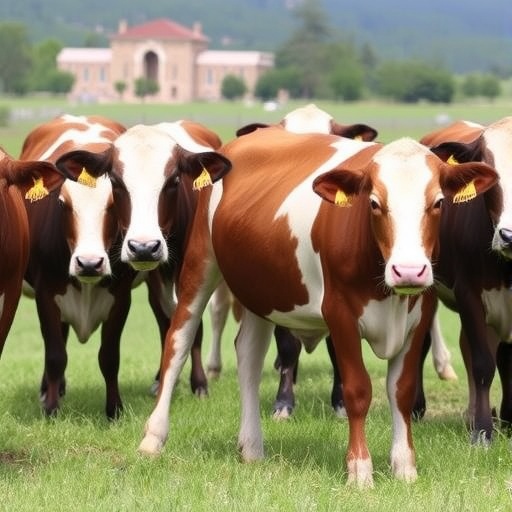
In the evolving landscape of agricultural biotechnology, the focus on genetic variations that underpin livestock productivity has gained immense momentum. A groundbreaking study published in BMC Genomics reveals a compelling connection between specific allelic variations and the performance of beef cattle, particularly in terms of feed efficiency and immunometabolic resilience. This research, spearheaded by a talented team including Morenikeji, O.B., Idowu, M., and Taiwo, G., opens a new frontier for improving cattle breeding and management practices, with implications that could resonate across the global beef industry.
Understanding the genetic basis of traits in livestock has always been a critical aspect of animal breeding. The CYP3A4 and PLB1 genes, central to this study, play significant roles in various biological processes. CYP3A4 is known for its involvement in drug metabolism, while PLB1 (Phosholipase B1) is involved in lipid metabolism. These genes participate in complex biochemical pathways that can affect the overall health and productivity of cattle. By focusing on allelic variations in these genes, the researchers aimed to establish a clearer link between genetics and phenotypic traits that enhance feed efficiency – a vital economic component in beef production.
The term “feed efficiency” refers to the ability of livestock to convert feed into body mass effectively. Given the rising costs of feed, which often constitute a substantial portion of the overall expenses in beef production, enhancing feed efficiency is not merely advantageous; it is essential for sustainable livestock farming. As the global demand for beef continues to increase, optimizing the genetic traits associated with feed efficiency could provide significant benefits to both farmers and consumers alike.
In their study, the authors analyzed various cattle breeds to ascertain the frequency of different alleles present in the CYP3A4 and PLB1 genes. Genetic sampling and sequencing techniques enabled the researchers to identify specific alleles that correlated with improved feed conversion ratios. This technical approach allowed for precise measurements, providing robust evidence that certain genetic profiles are superior when it comes to efficient feed utilization. The results stand to reshape genetic selection strategies employed by livestock producers, offering a more data-driven approach to breeding decisions.
Moreover, the study significantly contributes to our understanding of immunometabolic resilience in cattle. Immunometabolic resilience describes the capacity of animals to maintain metabolic homeostasis while battling infections or stressors. In the context of beef production, this resilience is paramount as it directly affects the health and productivity of the animals. By identifying allelic variations that enhance this resilience, the researchers have opened doors to developing cattle that are not only more efficient in converting feed but are also better equipped to withstand environmental and infectious challenges.
This intersection of genetics and nutrition underscores the importance of a holistic approach to cattle farming. With climate change and other environmental factors threatening the livestock sector, there is an urgent need to develop breeds that are adaptable and resilient. The implications of this research extend beyond mere genetic identification; they suggest a pathway toward creating sustainable beef production systems that can meet global demands without compromising animal welfare or environmental integrity.
One of the most compelling aspects of this research is its potential application in real-world cattle breeding programs. Producers armed with insights from genetic studies can make informed decisions regarding which animals to mate, aiming for offspring that carry the desired alleles for both feed efficiency and resilience. By integrating these findings into breeding strategies, farmers can cultivate herds that not only thrive under varying environmental conditions but also contribute positively to the economic sustainability of beef production.
Furthermore, the research provides a critical link between animal genetics and the broader context of food security. As populations grow and dietary preferences evolve, the demand for high-quality protein sources like beef will escalate. Developing cattle that are genetically predisposed to be more productive is an essential step toward meeting these demands sustainably. Such advancements can play a pivotal role in ensuring that beef remains an accessible and affordable source of nutrition for future generations.
As the agricultural sector embraces novel biotechnology, the ethical dimensions of genetic manipulation must also be considered. The notion of altering the genetic makeup of livestock raises questions about biodiversity, animal welfare, and the long-term impacts on ecosystems. Responsible implementation of genetic findings, with a focus on transparency and ethical breeding practices, will be crucial as the industry moves forward. Engaging consumers in conversations about the benefits and challenges of genetically-informed breeding practices can foster a more nuanced understanding of modern agriculture.
The findings from this study are poised to usher in a new era of genetic innovation in beef production, with the possibility of developing tools that allow farmers to predict the performance of animals based on their genetic profiles. Advances in genomic technologies, including CRISPR and whole-genome sequencing, create opportunities for rapid improvements in livestock breeding. However, with these opportunities come complex regulatory and ethical considerations that must be navigated carefully as the industry adopts new technologies.
In conclusion, the research spearheaded by Morenikeji, O.B., Idowu, M., and Taiwo, G. unlocks vital insights into the genetic correlates of feed efficiency and immunometabolic resilience in beef cattle. As global beef demand surges, this study offers a glimpse into a future where cattle breeding is increasingly informed by genetic data, fostering more resilient and productive animals. These advancements not only promise to enhance the economic viability of beef farming but also contribute to addressing global food security challenges. The commitment to ethical and sustainable practices will be paramount as the industry embraces the transformative potential of genetics in livestock breeding.
The conversation surrounding genetic advancements in livestock, particularly in beef cattle, will inevitably continue to evolve. Stakeholders must remain adaptable, staying informed about the scientific developments and societal expectations surrounding such technologies. As this field progresses, continuous collaboration between researchers, farmers, consumers, and policymakers will be essential to achieving balanced and beneficial outcomes for agriculture, the environment, and society at large.
Morenikeji, O.B., Idowu, M., Taiwo, G. et al. Allelic variation in CYP3A4 and PLB1 drives feed efficiency and immunometabolic resilience in beef cattle.
BMC Genomics (2025). https://doi.org/10.1186/s12864-025-12412-0
Cite Scienmag News
Juliet Wilcox. (December 21, 2025). Gene Variations Enhance Beef Cattle Efficiency and Immunity. Scienmag. https://scienmag.com/gene-variations-enhance-beef-cattle-efficiency-and-immunity/
Juliet Wilcox. "Gene Variations Enhance Beef Cattle Efficiency and Immunity." Scienmag, 21 December 2025, https://scienmag.com/gene-variations-enhance-beef-cattle-efficiency-and-immunity/. Accessed 5 September 2026.
Juliet Wilcox. "Gene Variations Enhance Beef Cattle Efficiency and Immunity." Scienmag. December 21, 2025. https://scienmag.com/gene-variations-enhance-beef-cattle-efficiency-and-immunity/


