


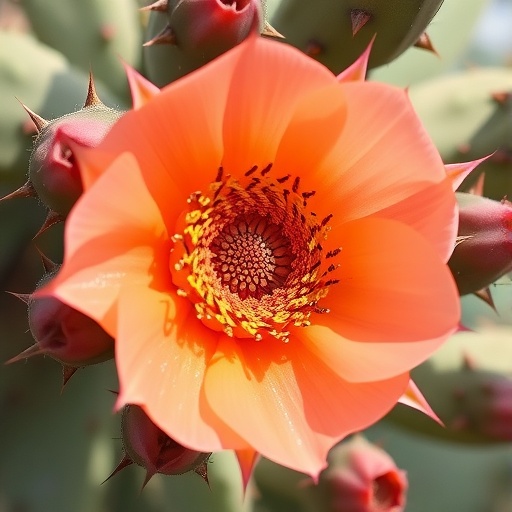
In a recent groundbreaking study published in “BMC Complementary Medicine and Therapies,” researchers have explored the modulation of human neutrophil functions through the administration of hydroethanolic extracts derived from the cladodes of Opuntia ficus-indica, commonly known as the prickly pear cactus. This innovative research offers new insights into the potential therapeutic applications of natural compounds in regulating immune responses, particularly those mediated by neutrophils, which are crucial components of innate immunity.
The study, undertaken by a team of researchers including Ferjani, Dang, and Fetoui, utilized an experimental in vitro approach to investigate how these extracts influence neutrophil behavior. Neutrophils are white blood cells that play a vital role in the body’s defense against infections. Their primary functions include phagocytosis, the release of inflammatory mediators, and the generation of reactive oxygen species, all critical processes in mounting an effective immune response.
Hydroethanolic extracts have gained popularity due to their potential to dissolve both hydrophilic and lipophilic compounds, thereby ensuring a comprehensive extraction of bioactive molecules present in plant materials. The Opuntia ficus-indica plant, with its rich phytochemical profile, has been historically used in various traditional medicine practices. However, until now, little research had systematically assessed its impact on neutrophil function, making this study particularly noteworthy.
In the experimental setup, the researchers systematically treated cultured human neutrophils with various concentrations of the hydroethanolic extract. Parameters such as cell viability, phagocytic activity, and the generation of reactive oxygen species were measured. These assessments allowed researchers to gain insights into the therapeutic potential of the extract, as well as its safety profile in modulating immune responses.
Findings from the study indicated a significant increase in the phagocytic capacity of neutrophils treated with the Opuntia ficus-indica extract compared to the control group. Enhanced phagocytosis is particularly vital for the clearance of pathogens, suggesting that this natural extract may enhance the body’s ability to fight infections. Coupled with increased activity, the extract also appeared to modulate the inflammatory response, indicating a dual-action effect that could be beneficial in treating conditions characterized by both infection and inflammation.
Importantly, the study also evaluated the safety of using the hydroethanolic extract, revealing no cytotoxic effects at the concentrations tested. This aspect is crucial for any potential therapeutic use, as the modulation of immune functions should not come at the expense of cell viability. Future studies could expand on these findings, exploring the molecular mechanisms underlying the observed effects and determining the clinical relevance of these results.
Moreover, the implications of this research extend beyond mere academic interest; they could pave the way for the development of novel immunotherapeutic strategies harnessing plant-based compounds. The increasing trend towards phytotherapy and the use of natural products in medicine aligns with public interest in more sustainable and less chemically synthesized treatment options. As a result, the research on Opuntia ficus-indica could contribute significantly to the fields of immunology and alternative medicine.
Current evidence suggests that this cactus species is a rich source of antioxidants and anti-inflammatory compounds, which might be harnessed to develop supplements or nutraceuticals aimed at boosting immune health. Ongoing research into similar plant extracts may further elucidate their viability in addressing inflammatory diseases or conditions that compromise immune function, such as diabetes, cardiovascular disease, and autoimmune disorders.
The findings identified in this study also raise questions about dosage and long-term effects, aspects that need to be thoroughly explored in future clinical trials. Understanding the optimal dose and potential interactions with conventional therapies will be critical for successfully integrating Opuntia ficus-indica extracts into mainstream medical practices.
Furthermore, this research highlights the importance of interdisciplinary approaches combining botany, pharmacology, and immunology. By bridging these fields, researchers can enhance our understanding of how natural products interact with human physiology, tailoring treatments designed to modulate immune responses more effectively.
Future studies could also focus on the bioavailability of the active components within the hydroethanolic extract, determining how effectively these compounds are absorbed in the human body when consumed. This knowledge would be critical in maximizing the therapeutic potential of Opuntia ficus-indica and establishing it as a viable option for enhancing human health.
In conclusion, the research conducted by Ferjani, Dang, and Fetoui presents vital information regarding the modulation of neutrophil functions by Opuntia ficus-indica cladode extracts. As researchers continue to unlock the secrets of this remarkable plant, we stand on the cusp of developing novel therapeutic strategies that could redefine how we approach immune-related conditions.
With increasing global health challenges, the need for innovative and effective therapies is more critical than ever. Natural products, such as those derived from the Opuntia ficus-indica plant, offer promising avenues for exploration. This study not only lays the groundwork for future investigations but also serves as a reminder of the untapped potential that lies within our natural world. As we deepen our understanding of these natural compounds, we may soon witness a resurgence of interest in traditional remedies, ultimately contributing to a more holistic approach to health and wellness in our modern society.
Ferjani, W., Dang, P.MC., Fetoui, H. et al. Modulation of human neutrophil functions by hydroethanolic cladode extract of Opuntia ficus-indica: an in vitro experimental study.
BMC Complement Med Ther (2025). https://doi.org/10.1186/s12906-025-05222-0
Cite Scienmag News
Kristina Jarvis. (December 18, 2025). Opuntia ficus-indica Extract Influences Neutrophil Activity. Scienmag. https://scienmag.com/opuntia-ficus-indica-extract-influences-neutrophil-activity/
Kristina Jarvis. "Opuntia ficus-indica Extract Influences Neutrophil Activity." Scienmag, 18 December 2025, https://scienmag.com/opuntia-ficus-indica-extract-influences-neutrophil-activity/. Accessed 4 September 2026.
Kristina Jarvis. "Opuntia ficus-indica Extract Influences Neutrophil Activity." Scienmag. December 18, 2025. https://scienmag.com/opuntia-ficus-indica-extract-influences-neutrophil-activity/


