


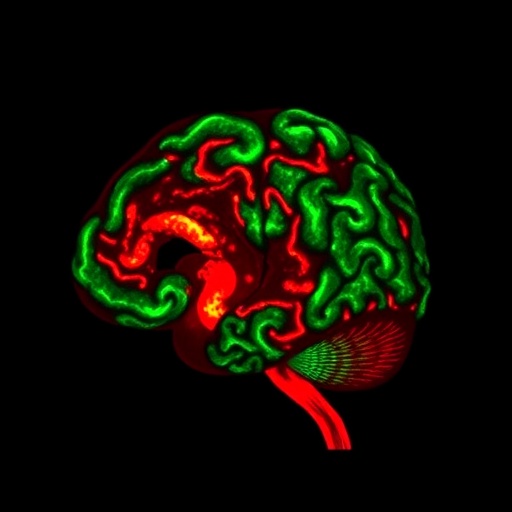
In a groundbreaking study poised to reshape our understanding of neonatal neurological disorders, researchers have unveiled the critical role of the mechanosensitive ion channel PIEZO1 in mitigating white matter injury (WMI) in newborns. White matter injury, a devastating condition predominantly impacting premature infants, often results in long-term cognitive and motor deficits due to damage to the brain’s myelinated nerve fibers. Until now, therapeutic options targeting the molecular mechanisms underlying WMI were severely limited. This new investigation, conducted through meticulous experimentation in both rat models and cultured cells, reveals a promising intervention pathway centered on the inhibition of PIEZO1-mediated ferroptosis in oligodendrocyte precursor cells (OPCs).
PIEZO1, a mechanosensitive ion channel that responds to physical stimuli by enabling calcium influx, has recently been implicated in a variety of neurological disorders. However, its involvement in neonatal white matter injury was poorly understood prior to this study. Researchers hypothesized that the dysregulation of PIEZO1 activity contributes to OPC cell death via ferroptosis—a form of programmed cell death driven by iron-dependent lipid peroxidation—thereby exacerbating WMI in neonatal brains. To unravel this, the team employed the selective PIEZO1 inhibitor GsMTx4, a peptide known for its specificity in blocking mechanosensitive channels.
The experimental setup involved inducing WMI in neonatal rat models, closely mimicking the pathological conditions observed in human premature infants suffering from brain injuries. By administering GsMTx4, the researchers observed a notable attenuation of white matter damage, suggesting that pharmacological inhibition of PIEZO1 confers significant neuroprotection. Complementary in vitro analyses with OPC cultures fortified this conclusion, demonstrating that GsMTx4 not only hampers PIEZO1 activity but also markedly reduces ferroptosis, as evidenced by molecular markers indicative of lipid peroxidation and cell viability.
Central to these findings is the elucidation of the PIEZO1/GCLC signaling axis. The enzyme glutamate-cysteine ligase catalytic subunit (GCLC), a key player in glutathione synthesis, was identified as a downstream effector in the PIEZO1 pathway. Glutathione is a vital antioxidant that counters oxidative stress—excessive ROS accumulation being a hallmark of ferroptosis. The study illuminated that PIEZO1 activation leads to suppressed GCLC expression, thereby impairing glutathione production and rendering OPCs vulnerable to iron-mediated oxidative damage. Conversely, inhibition of PIEZO1 via GsMTx4 preserved GCLC levels, thereby bolstering the cellular antioxidant capacity and thwarting ferroptosis initiation.
This discovery heralds a significant shift in our approach to neonatal brain injury therapies, as it bridges mechanotransduction, oxidative stress, and cell death mechanisms in a novel regulatory network. Understanding how physical forces sensed by PIEZO1 translate into biochemical signals affecting cell fate decisions opens up new therapeutic avenues. The research underscores the importance of targeting ion channels to preserve OPC function, which is vital for myelination and hence, proper neural circuit formation during early brain development.
One of the remarkable aspects of the study lies in its integration of multi-modal experimental techniques spanning in vivo rodent models and in vitro cellular assays. Advanced histological examinations revealed reduced lesion sizes and enhanced myelin preservation in GsMTx4-treated neonatal rats. Furthermore, molecular assays quantified significant decreases in lipid peroxidation products and elevated expression of antioxidant genes in treated groups. These complementary datasets substantiate the mechanistic insights and reinforce the therapeutic potential of PIEZO1 blockade.
Importantly, the study also highlights the safety profile of GsMTx4 within the neonatal context. Given the sensitivity of neonatal brain tissue to pharmacological agents, the observation that GsMTx4 administration did not elicit adverse outcomes is encouraging. This aspect lays critical groundwork for future translational applications, including the potential development of targeted therapies aimed at mitigating the lifelong consequences of neonatal white matter injuries.
The implications of these findings extend beyond neonatal neurology. Since ferroptosis has been implicated in a range of neurodegenerative diseases, understanding how mechanosensitive channels like PIEZO1 influence this process could inform therapeutic strategies across a broader spectrum of neurological conditions. The detailed dissection of the PIEZO1/GCLC axis adds a vital piece to the complex puzzle of neuronal cell death regulation.
This study further invites questions regarding the dynamic interplay between mechanical forces in the developing brain and their biochemical repercussions. Could abnormal mechanical stresses during birth or in the neonatal intensive care unit inadvertently activate PIEZO1, thereby heightening the risk of OPC ferroptosis and WMI? Exploring this hypothesis may illuminate how environmental factors affect molecular pathways during vulnerable developmental windows, underscoring the multifaceted nature of neonatal brain injury.
Moreover, the research prompts future investigations into combinatorial therapies that simultaneously target PIEZO1 activity and reinforce cellular antioxidant defenses. Pharmacological agents enhancing glutathione synthesis or scavenging lipid peroxides may synergize with PIEZO1 inhibitors to further diminish white matter damage. Such approaches hold promise for developing comprehensive treatment regimens that address both upstream triggers and downstream consequences of neonatal brain injury.
The study’s contribution to the field of pediatric neuroscience is immense. By shedding light on a previously obscure molecular mechanism governing OPC survival, it provides a tangible target for intervention in a disease domain where treatments remain distressingly scarce. The prospect of employing mechanosensitive channel inhibitors to preserve white matter integrity could revolutionize care for countless premature infants worldwide.
In conclusion, the research delineates a novel, ion channel-mediated pathway underpinning neonatal white matter injury, positioning PIEZO1 as a master regulator of OPC ferroptosis through modulation of GCLC and glutathione biosynthesis. The protective effects of the selective inhibitor GsMTx4 open promising therapeutic vistas, potentially transforming outcomes for neonates afflicted by white matter damage. As the scientific community explores the broader relevance of mechanosensation in neurological health and disease, this breakthrough paves the way for innovative treatment strategies grounded in fundamental molecular insights.
Cite Scienmag News
Harold Sullivan. (December 14, 2025). GsMTx4 Protects Neonatal Brain by Blocking Ferroptosis. Scienmag. https://scienmag.com/gsmtx4-protects-neonatal-brain-by-blocking-ferroptosis/
Harold Sullivan. "GsMTx4 Protects Neonatal Brain by Blocking Ferroptosis." Scienmag, 14 December 2025, https://scienmag.com/gsmtx4-protects-neonatal-brain-by-blocking-ferroptosis/. Accessed 4 September 2026.
Harold Sullivan. "GsMTx4 Protects Neonatal Brain by Blocking Ferroptosis." Scienmag. December 14, 2025. https://scienmag.com/gsmtx4-protects-neonatal-brain-by-blocking-ferroptosis/


