


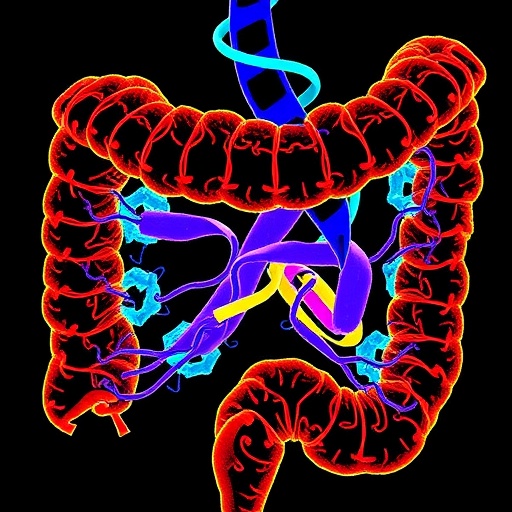
In the relentless quest to decode the mysteries of cancer biology, a groundbreaking study has unveiled a novel layer of complexity within the tumor transcriptome of colorectal cancer, one of the most prevalent and deadly cancers worldwide. The research, conducted by Aria, Mansoori, Saadatian, and colleagues, shines a spotlight on tRNA-derived fragments (tRFs), a class of small non-coding RNAs previously overlooked, positioning them as critical molecular players in tumor pathology. This finding could revolutionize our understanding of tumor biology and open new avenues for therapeutic intervention.
For decades, the scientific community has focused predominantly on protein-coding genes and well-known non-coding RNA species, such as microRNAs and long non-coding RNAs, in the context of cancer development and progression. However, despite these advances, a significant portion of the tumor transcriptome remains unaccounted for, and the intricate mechanisms driving various oncogenic processes are still shrouded in mystery. The current study boldly ventures into this uncharted territory, investigating tRFs—short RNA sequences generated from precursor or mature transfer RNAs (tRNAs)—which have now emerged as potent regulatory molecules influencing cancer dynamics.
The article meticulously elucidates how tRFs are not mere by-products of tRNA degradation, but rather purposeful entities with distinct biological roles. These fragments participate in gene regulation, modulating pivotal cellular functions like proliferation, apoptosis, and metastasis. Intriguingly, the research reveals a distinctive tRF expression signature in colorectal cancer tissues compared to normal counterparts, suggesting that these fragments are intricately linked with tumor initiation and progression. By mapping the tRF landscape, the team has uncovered a potential biomolecular “fingerprint” uniquely associated with colorectal malignancies.
At the molecular level, tRFs are generated through precise cleavage events rather than random degradation, implying tightly controlled biogenesis mechanisms. The study identifies specific ribonucleases responsible for this process and delineates how the resulting tRFs interact with the cellular machinery. These small RNAs appear capable of binding to Argonaute proteins, components central to the RNA-induced silencing complex (RISC), thus playing a role reminiscent of microRNAs in post-transcriptional gene silencing. Furthermore, certain tRFs can influence translation by interacting directly with ribosomes or initiation factors, adding yet another dimension to gene expression control.
In colorectal cancer, the dysregulation of tRFs correlates with alterations in key oncogenic signaling pathways, including Wnt/β-catenin, PI3K/Akt, and p53 networks. These pathways are notorious for their role in tumor growth and metastasis, implying that tRFs could act as upstream modulators or downstream effectors within these cascades. The study presents compelling data demonstrating that aberrant levels of specific tRFs are associated with clinical parameters such as tumor stage, grade, and patient survival, thereby highlighting their potential utility as biomarkers for prognosis and disease monitoring.
The researchers employed state-of-the-art high-throughput sequencing technologies coupled with sophisticated bioinformatics analyses to compile an exhaustive catalog of colorectal cancer-associated tRFs. This comprehensive profiling enabled the identification of novel tRF species with previously unknown functions. Functional assays further validated the involvement of these fragments in promoting oncogenic traits, including enhanced cell migration, invasion, and resistance to apoptosis—all hallmarks of malignancy. Notably, the interdependence between tRFs and known oncogenes underscores their integration within existing tumor regulatory networks.
One of the study’s striking revelations is the dualistic nature of tRFs in cancer biology. While certain fragments act as oncogenic facilitators, others exhibit tumor-suppressive properties, indicating a complex interplay that shapes tumor dynamics. This yin-yang balance underscores the necessity for nuanced therapeutic approaches that selectively modulate specific tRFs to restore cellular homeostasis without adverse side effects. The discovery of this intricate balance propels the field beyond the simplistic binary perspective of molecular regulators.
Furthermore, the study delves into the potential mechanisms by which tRFs contribute to therapy resistance, a major challenge in colorectal cancer management. By influencing DNA repair pathways and cellular stress responses, tRFs might endow tumor cells with resilience against chemotherapeutic agents and radiation. Understanding these mechanisms opens promising horizons for overcoming drug resistance and improving patient outcomes by targeting tRF-mediated pathways.
From a translational perspective, the ability to detect tRFs in bodily fluids such as blood and urine positions these molecules as attractive non-invasive biomarkers for early cancer detection and monitoring. Liquid biopsy approaches harnessing tRF signatures could revolutionize clinical protocols by facilitating prompt diagnosis, risk stratification, and real-time assessment of therapeutic efficacy. The specificity and stability of tRFs in extracellular environments further enhance their appeal for clinical application.
Moreover, the unveiling of tRFs as active participants in colorectal cancer unpacks new therapeutic possibilities. Molecular interventions designed to inhibit oncogenic tRFs or mimic tumor-suppressive counterparts could become part of next-generation RNA-based therapies. The advent of RNA interference technologies, antisense oligonucleotides, and CRISPR-based strategies provides a robust toolkit for precise manipulation of these small RNA fragments. Such therapeutic strategies promise heightened specificity and minimized toxicity compared to conventional treatments.
Importantly, the study calls for an expanded framework in cancer transcriptomics research, urging scientists to incorporate tRFs into broader models of gene regulation in oncology. Integrative multi-omics approaches combining transcriptomic, proteomic, and epigenomic data will be essential to unravel the full spectrum of tRF functions and their crosstalk with other molecular entities. This paradigm shift will catalyze comprehensive cancer biology insights, ultimately facilitating personalized medicine tailored to the unique tRF profile of each tumor.
The implications of these findings transcend colorectal cancer, potentially impacting our understanding of diverse tumor types where tRF dysregulation might also play pivotal roles. Early investigative efforts indicate that the principles uncovered may extend to other solid tumors and hematological malignancies, heralding a universal model of tRF involvement in cancer pathology. This cross-cancer relevance amplifies the significance of the current study and sets the stage for a new era in non-coding RNA research.
Despite these groundbreaking advances, the authors highlight challenges that lie ahead, including the need for standardized methodologies to reliably quantify and functionally characterize tRFs across laboratories. The heterogeneity of tumors and the dynamic nature of tRF expression in response to environmental cues further complicate the landscape. Addressing these obstacles will be critical for translating these discoveries into actionable clinical tools and therapies.
In conclusion, the pioneering work by Aria and colleagues has illuminated the enigmatic world of tRNA-derived fragments, positioning them as key suspects in the molecular pathology of colorectal cancer. By charting new territories within the tumor transcriptome, this research not only sheds light on previously unresolved aspects of tumor biology but also unveils promising biomarkers and therapeutic targets. As the scientific community further explores this new frontier, tRFs are poised to become central figures in the ongoing battle against cancer.
Cite Scienmag News
Nathaniel Bowman. (December 1, 2025). tRFs: New Non-Coding Suspects in Colorectal Cancer. Scienmag. https://scienmag.com/trfs-new-non-coding-suspects-in-colorectal-cancer/
Nathaniel Bowman. "tRFs: New Non-Coding Suspects in Colorectal Cancer." Scienmag, 1 December 2025, https://scienmag.com/trfs-new-non-coding-suspects-in-colorectal-cancer/. Accessed 3 September 2026.
Nathaniel Bowman. "tRFs: New Non-Coding Suspects in Colorectal Cancer." Scienmag. December 1, 2025. https://scienmag.com/trfs-new-non-coding-suspects-in-colorectal-cancer/


